Skip to content
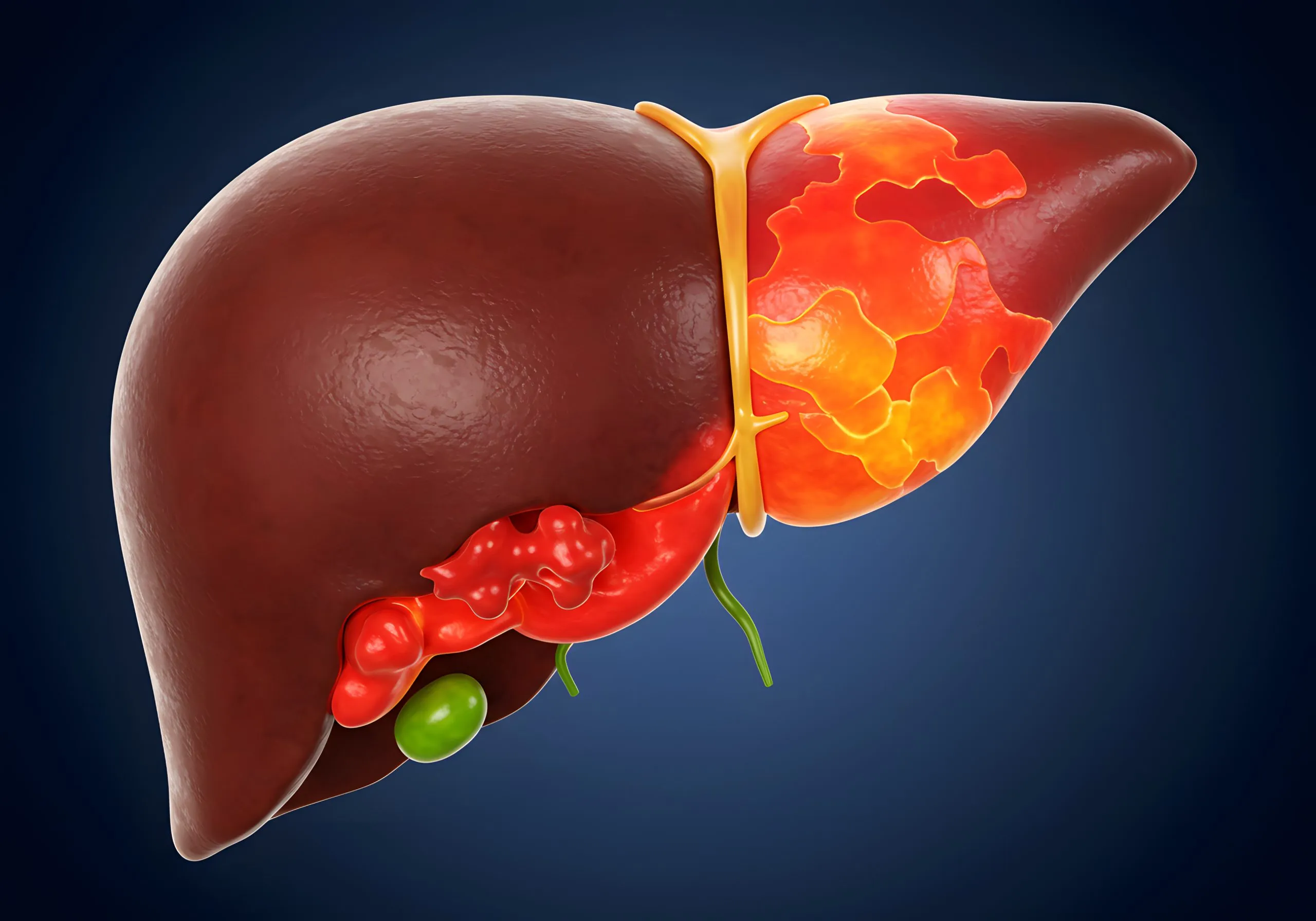
Your liver is one of the most vital organs in your body — filtering toxins, aiding digestion, storing nutrients, and regulating metabolism. But liver damage often starts silently and can progress far before symptoms become obvious. Early recognition of warning signs gives you a better chance of getting treatment before serious complications develop.
Below are 12 early symptoms and signs of liver damage that should never be ignored. If you experience persistent symptoms, speak with a healthcare provider promptly.
1. Persistent Fatigue and Weakness
Feeling unusually tired or weak even after adequate rest can be an early sign that your liver is struggling to filter toxins and regulate energy metabolism. Certain nutrients like folate play an important role in cellular repair and liver function. You can learn more in our guide to foods rich in folate and liver-supporting nutrients.
2. Yellowing of Skin or Eyes (Jaundice)
Jaundice, the yellow tint of the skin and the whites of the eyes, is caused by a buildup of bilirubin — a waste product the liver normally clears. It’s one of the most recognizable signs of liver dysfunction.
3. Abdominal Pain or Discomfort (Especially Upper Right)
Pain or aching on the upper right side beneath your ribs may signal inflammation, swelling, or enlargement of the liver. This can occur in conditions like hepatitis or fatty liver disease.
4. Nausea, Vomiting, or Loss of Appetite
Digestive symptoms such as nausea, vomiting, or not feeling hungry can occur when the liver is not metabolizing nutrients and toxins efficiently. This is often reported early in liver disease.
5. Unexplained Weight Loss
Weight loss without trying — especially when accompanied by poor appetite — can be a sign that the liver is failing to support normal metabolism.
6. Dark Urine and Pale Stools
Changes in waste color are caused by impaired bile production or elimination. Dark, tea-colored urine and unusually light or clay-colored stools can indicate liver dysfunction.
7. Swelling in Legs, Ankles, or Abdomen
Fluid buildup (edema in the legs or ascites in the abdomen) can occur when the liver’s ability to regulate fluids and proteins is compromised.
8. Easy Bruising or Bleeding
A damaged liver cannot make enough of the clotting proteins the body needs, leading to easy bruising or bleeding even from minor injury.
9. Itchy Skin (Pruritus)
Persistent itching without a rash may be due to bile salt accumulation under the skin when the liver’s normal bile flow is disrupted.
10. Confusion or Mental Fog (Hepatic Encephalopathy)
When toxins build up in the bloodstream due to liver dysfunction, they can affect brain function — causing confusion, trouble concentrating, or personality changes. See also how alcohol affects liver health
11. Abdominal Swelling or Bloating
Ascites (fluid in the abdominal cavity) may cause swelling and discomfort. This often appears as liver disease progresses but can start subtly.
12. Unexplained Itching or Skin Changes
Skin changes such as unexplained redness, palmar erythema (red palms), spider angiomas (small visible blood vessels), or other visible skin signs can be subtle signals of long-term liver stress.
Why Early Detection Matters
Liver damage often develops gradually and can be caused by repeated alcohol use, viral infections (like hepatitis), fatty liver disease, medications, and autoimmune conditions. Early symptoms may be subtle or easy to dismiss, but delaying evaluation can allow liver disease to progress to cirrhosis or liver failure — both of which carry serious health risks.
When to See a Healthcare Provider
Seek medical attention if you notice any recurring symptoms above — especially jaundice, persistent fatigue, unexplained abdominal pain, or changes in urine/stool color. A healthcare provider can perform liver function tests and other diagnostics to assess liver health and rule out serious conditions.
Bottom Line
Your liver quietly performs hundreds of essential functions every day. When it starts to struggle, the early warning signs — while sometimes subtle — are signals your body is sending for a reason. Paying attention and acting early can make a significant difference in outcomes and long-term health.
Medical Citations
Liver Problems – Symptoms and Causes
https://www.mayoclinic.org/diseases-conditions/liver-problems/symptoms-causes/syc-20374502
Liver Disease Overview
https://my.clevelandclinic.org/health/diseases/17179-liver-disease
Cirrhosis Symptoms and Causes
https://www.niddk.nih.gov/health-information/liver-disease/cirrhosis/symptoms-causes