Skip to content
4) Tirbanibulin ointment

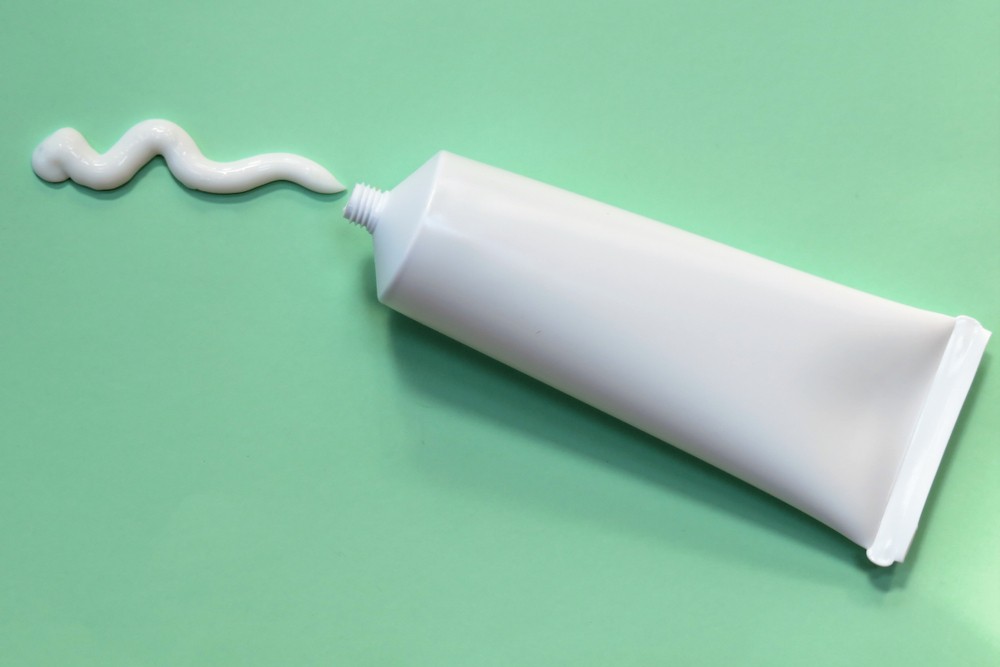
Tirbanibulin is a topical medicine applied to the face or scalp to treat actinic keratosis. Tirbenibulin is prescribed as a 1% ointment and is used once a day for five days as a field-directed therapy, treating portions of the skin affected by actinic keratosis rather than individual lesions. Tirbanibulin inhibits microtubules, causing apoptosis, or cell death, by preventing the formation of these structures, which are the backbone of cells. Pain and itching at the application site were common side effects in clinical trials.
Actinic keratoses (AKs) might take up to three months to heal after therapy, depending on their size and number. After the AKs have gone away, you’ll need to see your doctor once or twice a year for a follow-up. If you have a weaker immune system, you may need to see your dermatologist four to six times a year if you are at risk for AKs. Avoiding prolonged UV exposure will help you prevent actinic keratosis. Applying sunscreen is also very important, even in cloudy weather.
References
- Ceilley RI, Jorizzo JL. “Current issues in the management of actinic keratosis.” J Am Acad Dermatol2013;68:S28-38.
- Duncan KO, Geisse JK, et al. “Epithelial precancerous lesions.” In: Wolff K, Goldsmith LA, et al. Fitzpatrick’s Dermatology in General Medicine(seventh edition). McGraw Hill Medical, New York, 2008: 1007-15.
- Martin G, Swanson N. “Clinical findings using ingenol mebutate gel to treat actinic keratoses.” J Am Acad Dermatol2013;68:S39-48.
- Micali G, Lacarrubba F, et al. “Topical pharmacotherapy for skin cancer: part I. Pharmacology.” J Am Acad Dermatol. 2014;70:965.e1-12.
- Micali G, Lacarrubba F, et al. “Topical pharmacotherapy for skin cancer: part 2: Clinical applications,” J Am Acad Dermatol2014;70:979.e1-12.
- Neugebauer R, Levandoski KA, et al. “A real-world, community-based cohort study comparing the effectiveness of topical fluorouracil versus topical imiquimod for the treatment of actinic keratosis.” J Am Acad Dermatol2018;78:710-6.