Skip to content

Symptoms of Alagille syndrome

There is a wide variation in the presentation of Alagille syndrome, owing to its genetic nature and the number of body systems it affects. The most common presentations include:
- Delayed growth in children, which can be the first presentation of the syndrome. Linear growth is usually the one affected rather than gaining weight.
- Abnormalities of vision, where children may complain of blurry vision. It results from the swelling of the optic disc, which is a sign of increased pressure in the skull.
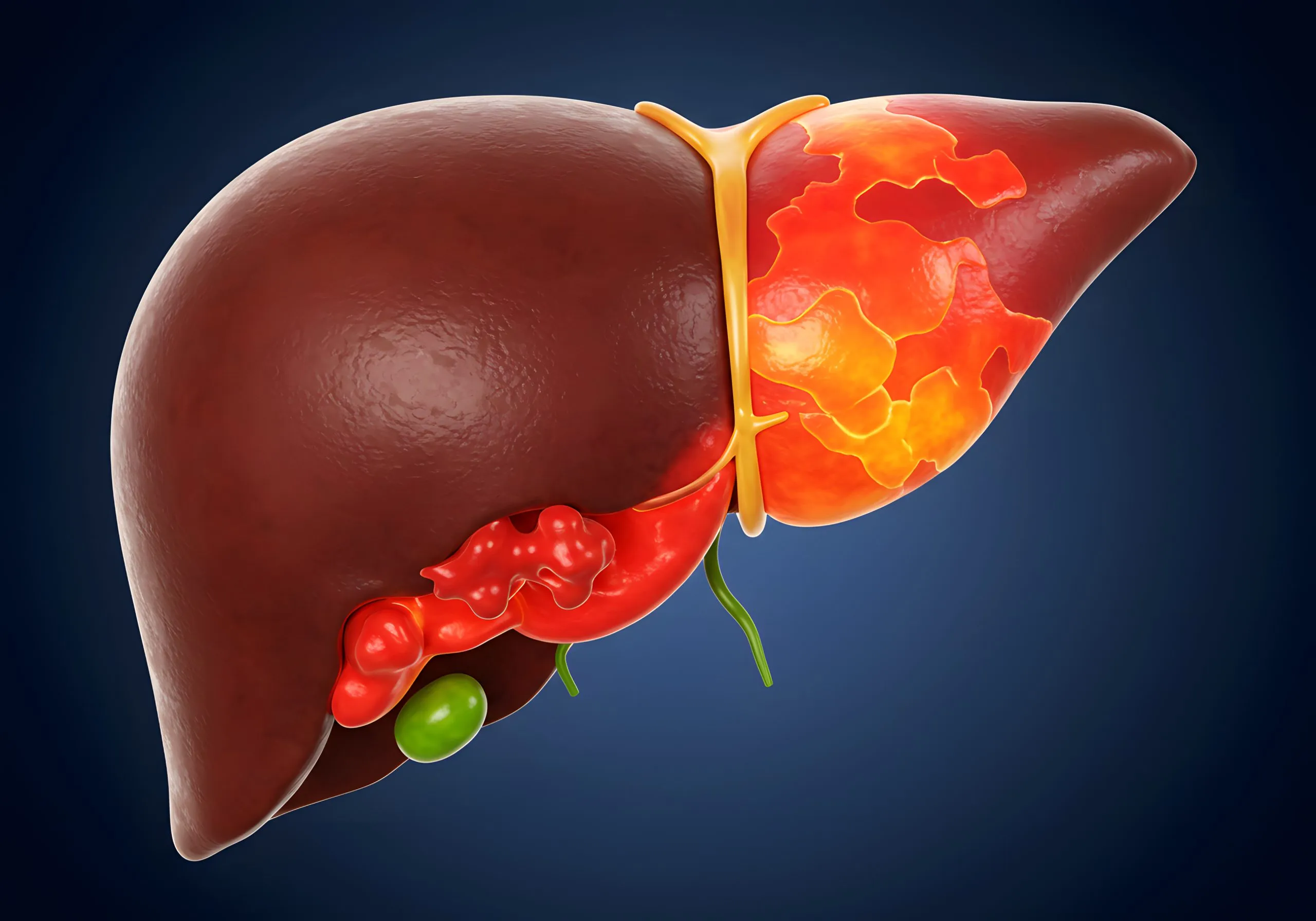
- Liver abnormalities: Some infants present with jaundice, which is usually deep in color, reflecting its cholestatic nature, which means that the liver is normal but the flow of bile is obstructed, along with the enlargement of the liver and the spleen.
- Rickets: Rickets is the manifestation of vitamin D deficiency in children. It presents with bone pains and bowing of the legs. The reason behind this deficiency is the abnormality of bile secretion by the liver, since vitamin D is a fat-soluble vitamin.
- Severe pruritis and itching: One of the manifestations of bile acid stagnation and the reflux of bile salts into the blood is the severe itching and pruritis they cause.
- Hypertension: Although hypertension is largely asymptomatic, it can be detected with routine physical examination the first time the child visits a doctor. Hypertension results from the narrowing of the artery supplying the kidney.
- Mental retardation: Although not usually present, developmental delay and mental retardation can be present in many children with Alagille syndrome.
- Facial features: Although perhaps the first noticeable sign, facial features are not striking in Alagille syndrome. They include a broad forehead and a narrow chin. Again, they are not suggestive of the disease, but combined with the above can help establish the diagnosis.