Skip to content

How to interpret serum albumin results?

Normal albumin levels in the blood range between 3.5 and 5 g/dL. When abnormal levels are found in an individual, it is ideal to compare them with other liver function tests, including AST, ALT, and prothrombin time. It is also essential to evaluate creatinine levels and other kidney function tests.
Low albumin levels can be temporary, but sometimes it can point to a severe condition. Thus, doctors can diagnose acute or chronic health conditions with a low albumin level.
This protein is reduced in the blood in three conditions: when albumin production is insufficient when protein breakdown or protein loss increases, and when the plasma is diluted with blood fluids. Thus, we can’t make any hasty conclusions without first examining the patient’s medical history, physical exam, symptoms, and additional tests.
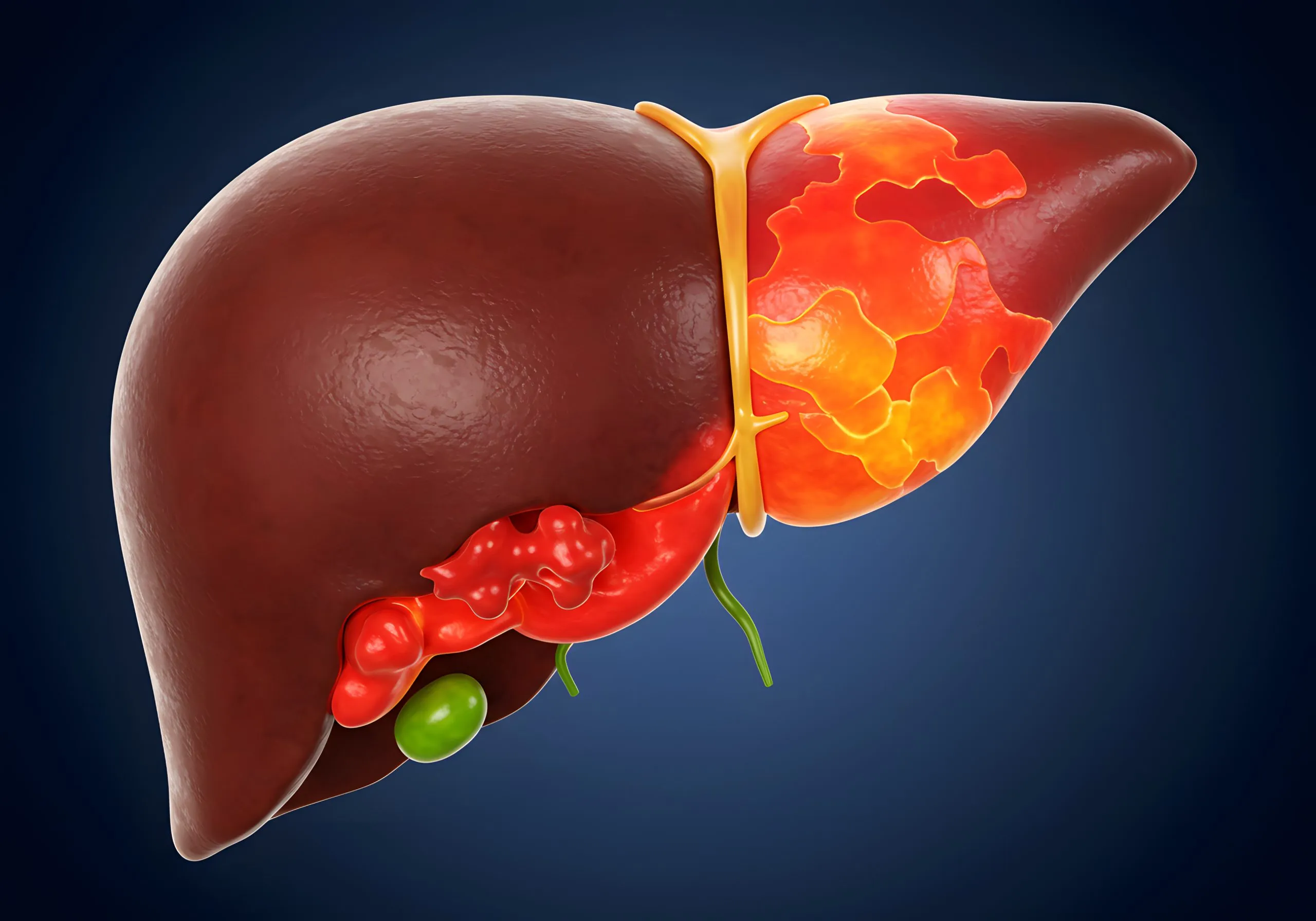
In most cases, low albumin levels suggest hepatic disease, and liver enzymes are ordered to evaluate the type of hepatic disease we are dealing with. This test is only altered when the hepatic illness reaches an advanced stage, for example, in hepatic cirrhosis.