Skip to content

Diagnosis of alcoholic fatty liver disease

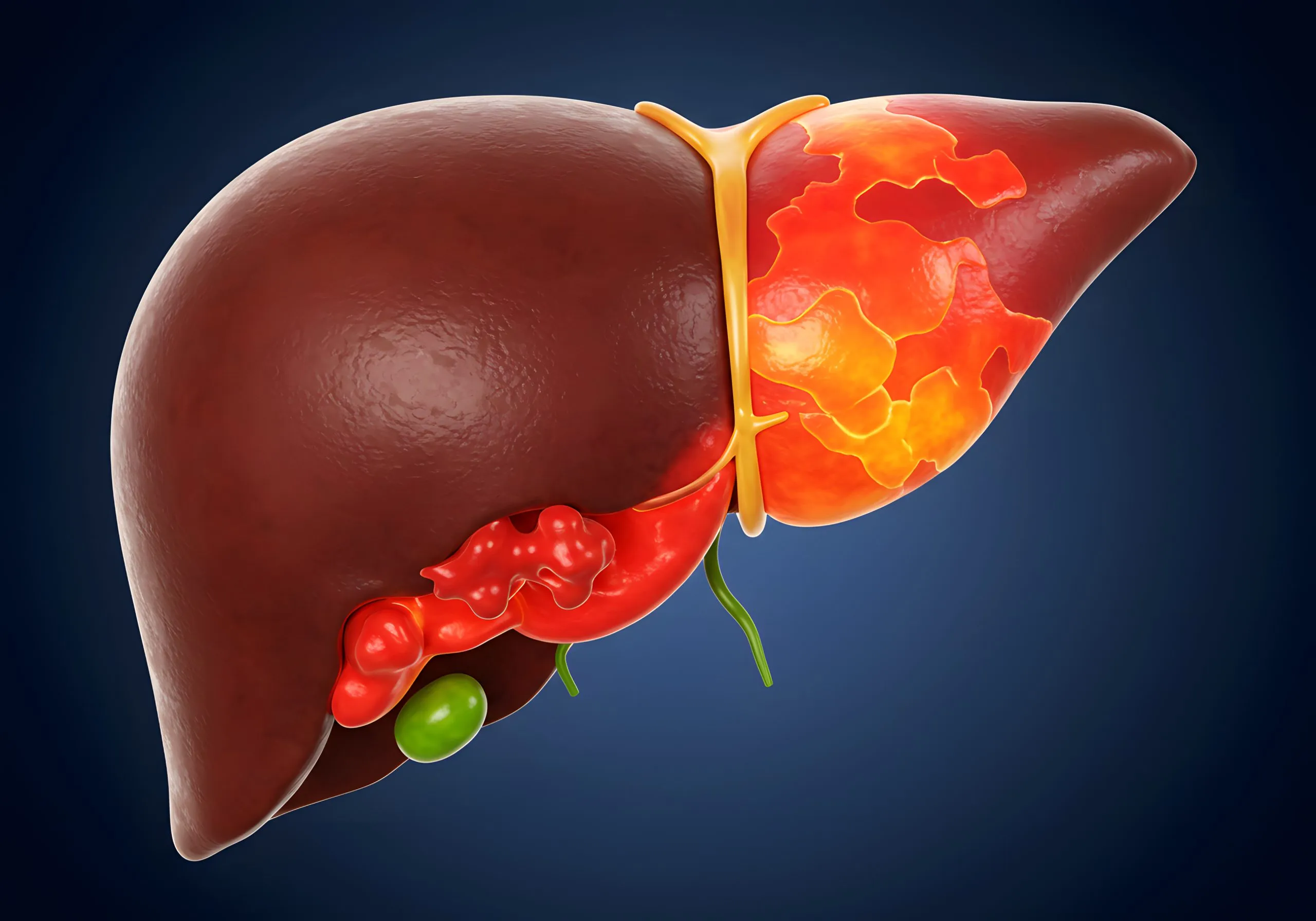
Diagnosing alcoholic fatty liver disease is done through clinical examination and investigations. Clinical examination reveals symptoms of liver affection which usually only occur late in the disease. On the other hand, investigations whether lab studies or imaging can reveal liver affection early on and allow for timely intervention. Lab studies include:
- Liver function tests: They include liver enzymes, which are indicators of liver damage, prothrombin time, which tests the liver’s ability to produce proteins, and bilirubin level, which tests the liver’s ability to process and excrete bile.
- Blood alcohol level: BAL is done to test the amount of alcohol in your blood. It can help detect alcohol intoxication and to help indicate alcohol as a cause of liver disease.
- Other routine investigations including a CBC, kidney function tests and a full coagulation profile.
Regarding imaging studies, several imaging modalities are available for alcoholic fatty liver disease including:
- Abdominal ultrasound: Abdominal ultrasound is the first imaging study ordered for alcoholic fatty liver disease. It helps delineate the general condition of the liver and its blood vessels, but it is not enough to diagnose the condition.
- MRI: Magnetic resonance imaging can help detect fat around the liver, but again it is not specific enough to diagnose alcoholic fatty liver disease alone.
The only specific test to confirm the diagnosis of fatty liver disease whether alcoholic or not is liver biopsy. A small part of your liver is sampled using a special needle and then examined under the microscope. It should ideally be done in all patients, but in reality some doctors opt not to do it when the diagnosis is clear.