Skip to content
Symptoms of alpha-1 antitrypsin deficiency

Symptoms of AATD are variable from moderate to severe. Some people are asymptomatic, although they have the gene mutation.
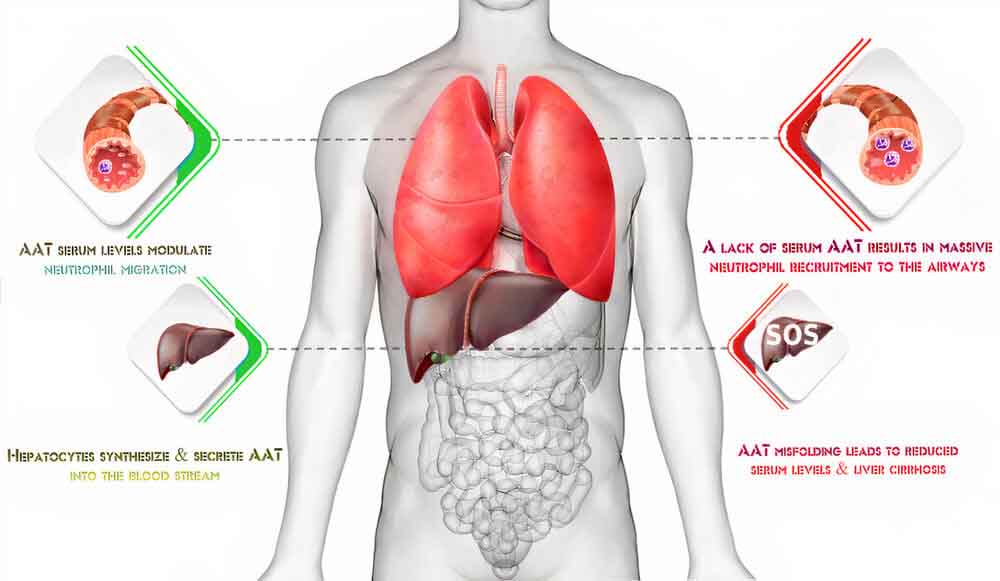
AAT deficiency increases the proteolytic enzymes that attack the elastic lung tissue. Also, AAT has an anti-inflammatory reaction.
So, let’s see what will happen to your lung if you have AATD.
Lung symptoms
Chronic obstructive pulmonary disease (COPD):
It is a breathing problem due to obstruction of airflow. COPD may present as emphysema (air in lung tissue, not in the alveoli) or chronic bronchitis(inflamed bronchi).
The patient complains of
- Dyspnea: shortening of breath
- Chronic cough
- Wheezing: coarse sound from respiratory pathways during breathing
- Excretion of sputum
- Fatigue
- Loss of weight
Liver symptoms
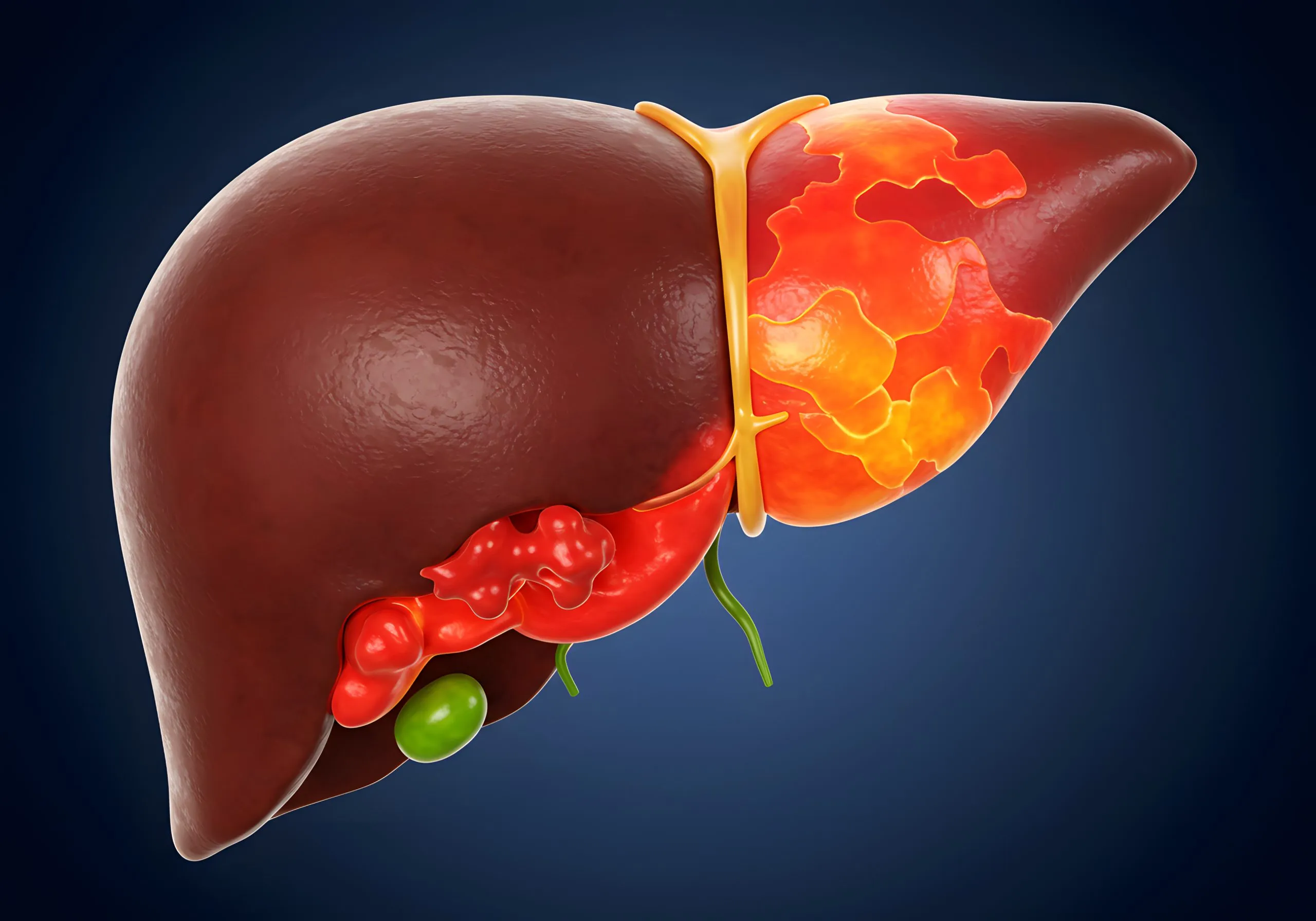
AAT accumulates in the liver cells, leading to liver damage. Symptoms may develop in infants, children, and adults.
Symptoms in infants:
10% of infants with AATD develop liver symptoms, such as:
- Jaundice: yellowish discoloration of skin and eye
- Increased liver enzymes
- Cholestasis: liver can’t excrete the bile
- Hepatomegaly (enlarged liver)
- Ascites: an abnormal collection of fluids into the peritoneum
Symptoms in children:
- Liver cell failure: liver can’t perform its functions.
- Portal hypertension: increased blood pressure in hepatic-portal vessels
- Edema: swelling of the lower limb
- Hepatomegaly (enlarged liver)
- Fatigue
- Loss of appetite
Symptoms in adults:
- Hepatitis: inflammation of liver cells
- Cirrhosis ( scarring liver)
- Portal hypertension
- Liver carcinoma
Skin symptoms
One of thousand with AATD develop skin manifestations. Symptoms present as panniculitis disease. It is a nodule in the skin that leads to inflammation of fat under the skin.
Symptoms:
- Hard tender nodule with an irregular border
- Skin ulcer
- Fluid and blood discharges
- Fatigue
- Fever
- Loss of weight
- Malaise (general discomfort)