
What is biliary atresia?

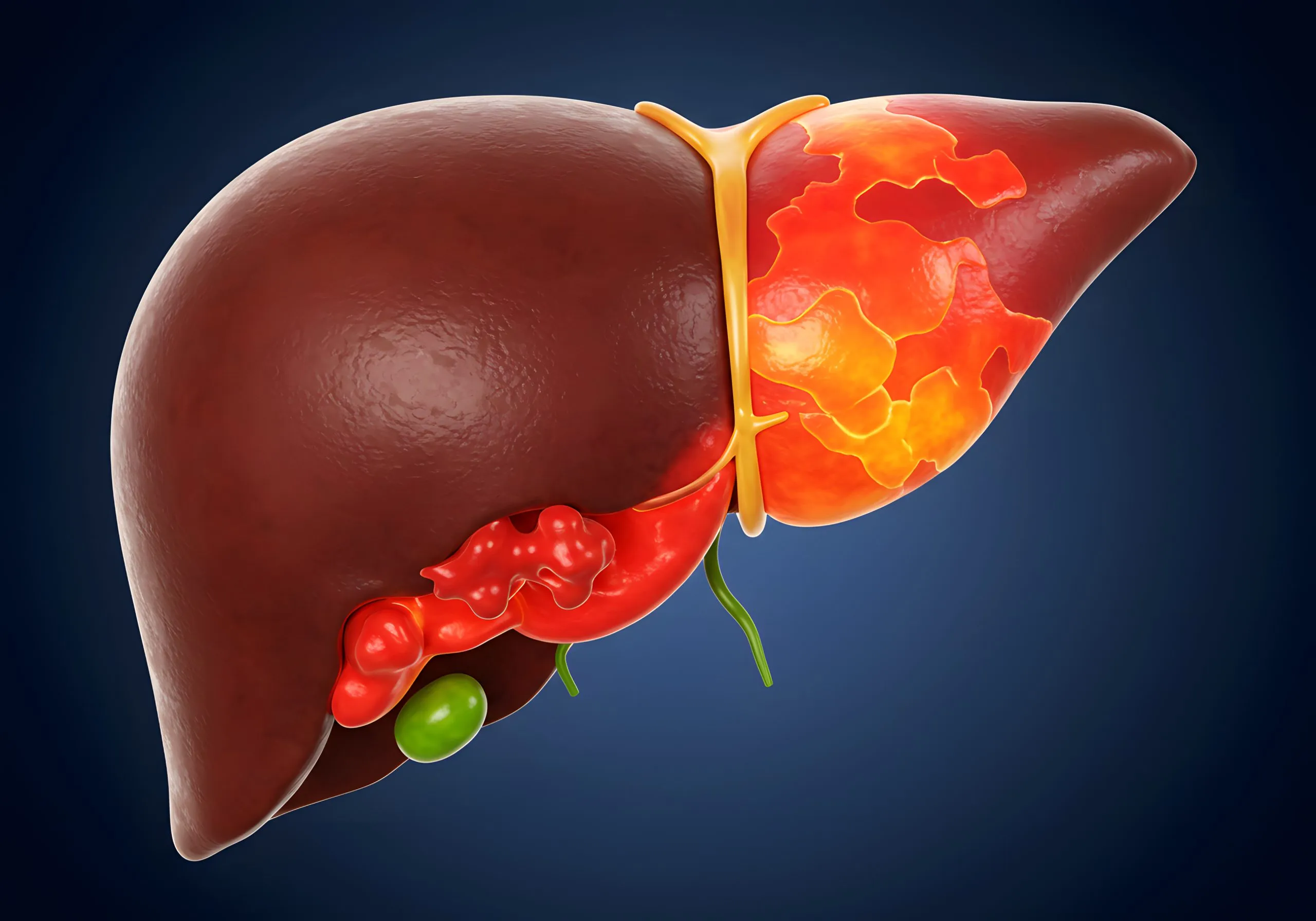
Biliary atresia is a surgical condition that starts during the intrauterine life (when the fetus is still forming in his mother’s womb). It results in the obliteration of a part or all of the biliary tree, preventing the flow of bile through it. There are many variations of the disease, which reflect as different clinical presentations and different methods for treatment.
There is no certain cause for biliary atresia, but the most commonly accepted theory is that it results from a combination of infections that reached the fetus from his mother through the placenta, most commonly cytomegalovirus infection, and genetic defects which make it possible. Other theories suggest that the underlying cause is actually related to the formation of bile acids, which are an important component of bile.