Skip to content
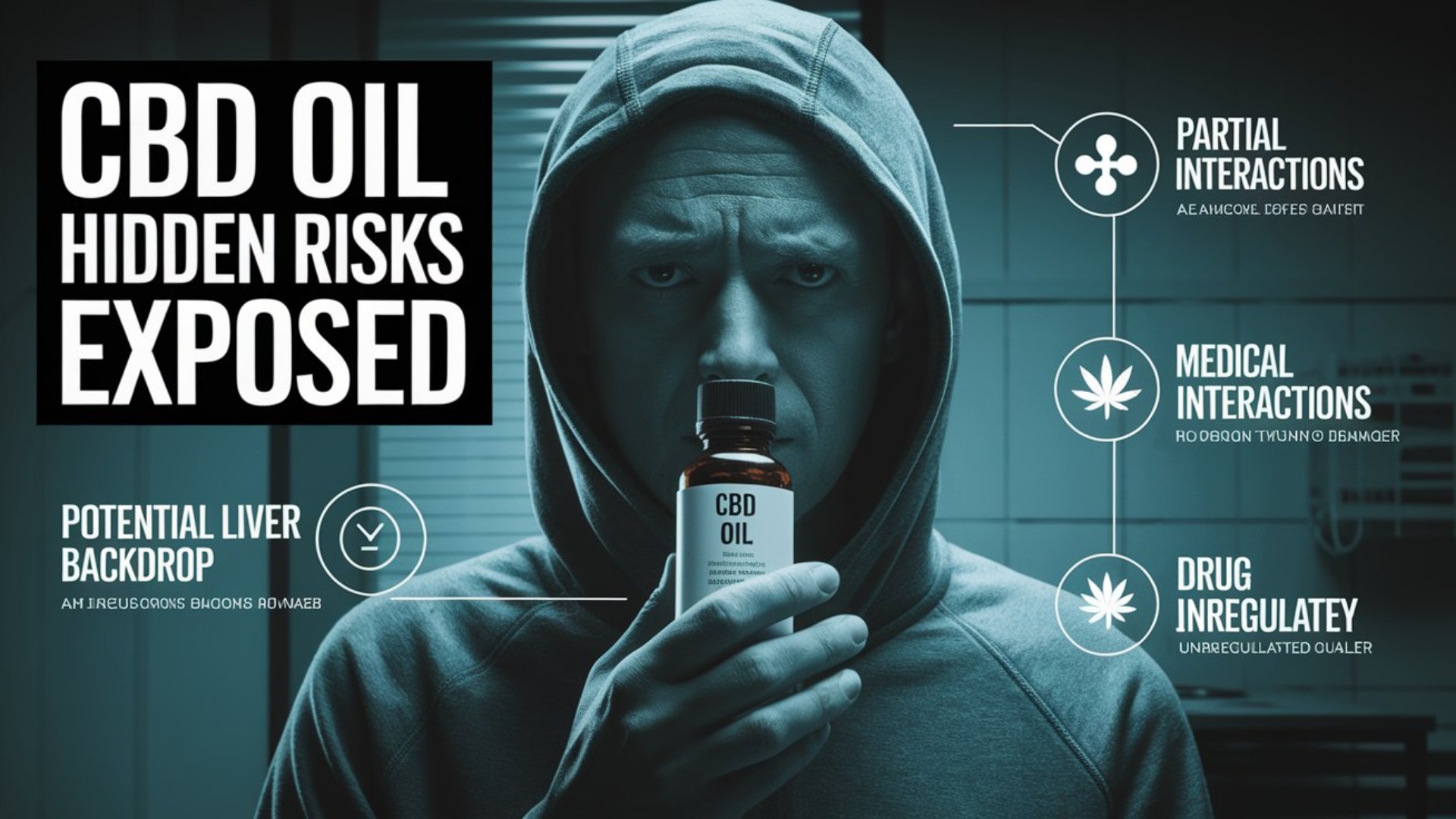
The Dangers of CBD and CBD Oils: What You Need to Know
Cannabidiol (CBD) has seen a massive surge in popularity in recent years. Marketed as a natural remedy for everything from anxiety and chronic pain to insomnia and inflammation, CBD is derived from the cannabis plant but does not produce the intoxicating effects associated with THC (tetrahydrocannabinol). While many users report benefits, it’s important to understand that CBD is not without risks, especially as the market remains largely unregulated in many parts of the world.
In this article, we’ll explore the potential dangers of CBD and CBD oil, including health risks, drug interactions, quality control concerns, and legal implications.
1. Lack of Regulation and Quality Control
One of the biggest concerns surrounding CBD products is the lack of regulation. In many countries, including the United States, the Food and Drug Administration (FDA) does not comprehensively regulate CBD products (with a few exceptions like Epidiolex, a prescription medication for epilepsy).
Key Issues:
-
Label inaccuracies: Studies have shown that many CBD products do not contain the amount of CBD advertised on their labels. Some have far less, while others contain significantly more.
-
Contamination: Inadequately processed CBD oils may contain heavy metals, pesticides, solvents, or even synthetic cannabinoids, all of which can pose serious health risks.
-
THC presence: Some “THC-free” CBD oils still contain trace amounts of THC, which could cause psychoactive effects or show up on drug tests.