Skip to content

What is cirrhosis?
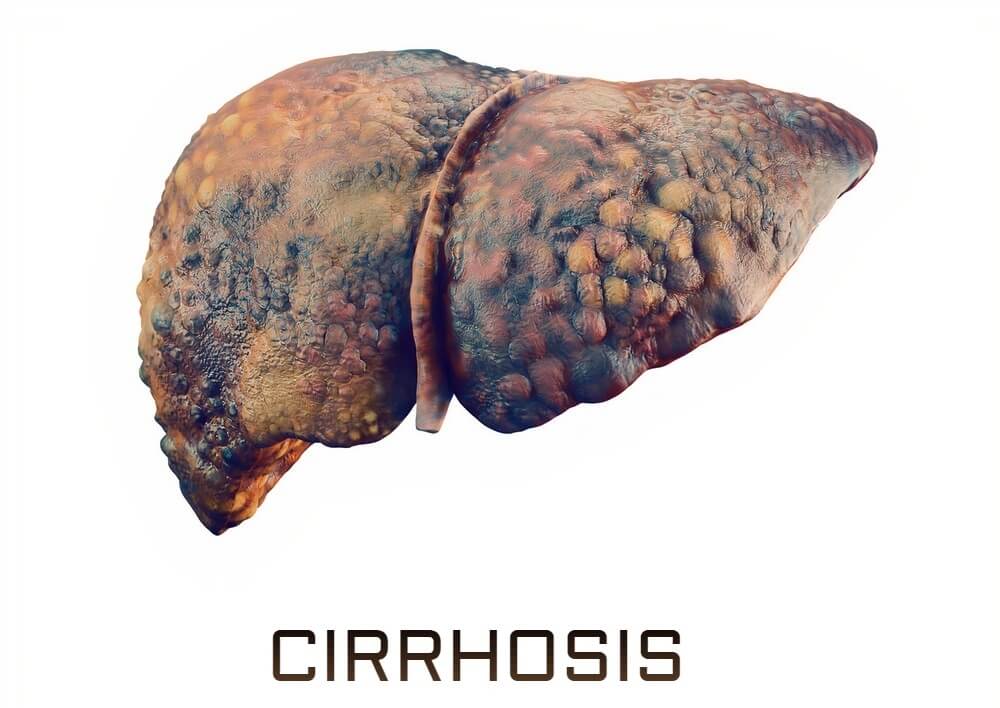
Fibrosis is a process that you can find in almost any tissue, unlike cirrhosis. This one is only found in the liver, and it is the last stage of fibrosis. In other words, cirrhosis is a very severe and extensive fibrosis of the liver. It results from ongoing and nonstop injury and inflammation of the liver. In this case, the conditions to reverse fibrosis listed above are all compromised. First, there is a continuing and chronic inflammation of the liver, so it cannot go back to its original state. Second, there’s extensive fibrosis of the liver in most if not all of the organ surface, and the functional portion that remains is limited. Third, the process has already reached the next level and created extensive damage to liver function.
Unlike fibrosis, in cirrhosis of the liver, there is a profound alteration in the microscopic structure of the organ. This leads to a change in blood pressure and blood circulation, changes in liver function, toxins building up in the blood, and more. Thus, cirrhosis is associated with higher morbidity and mortality as well as dangerous complications.