Skip to content
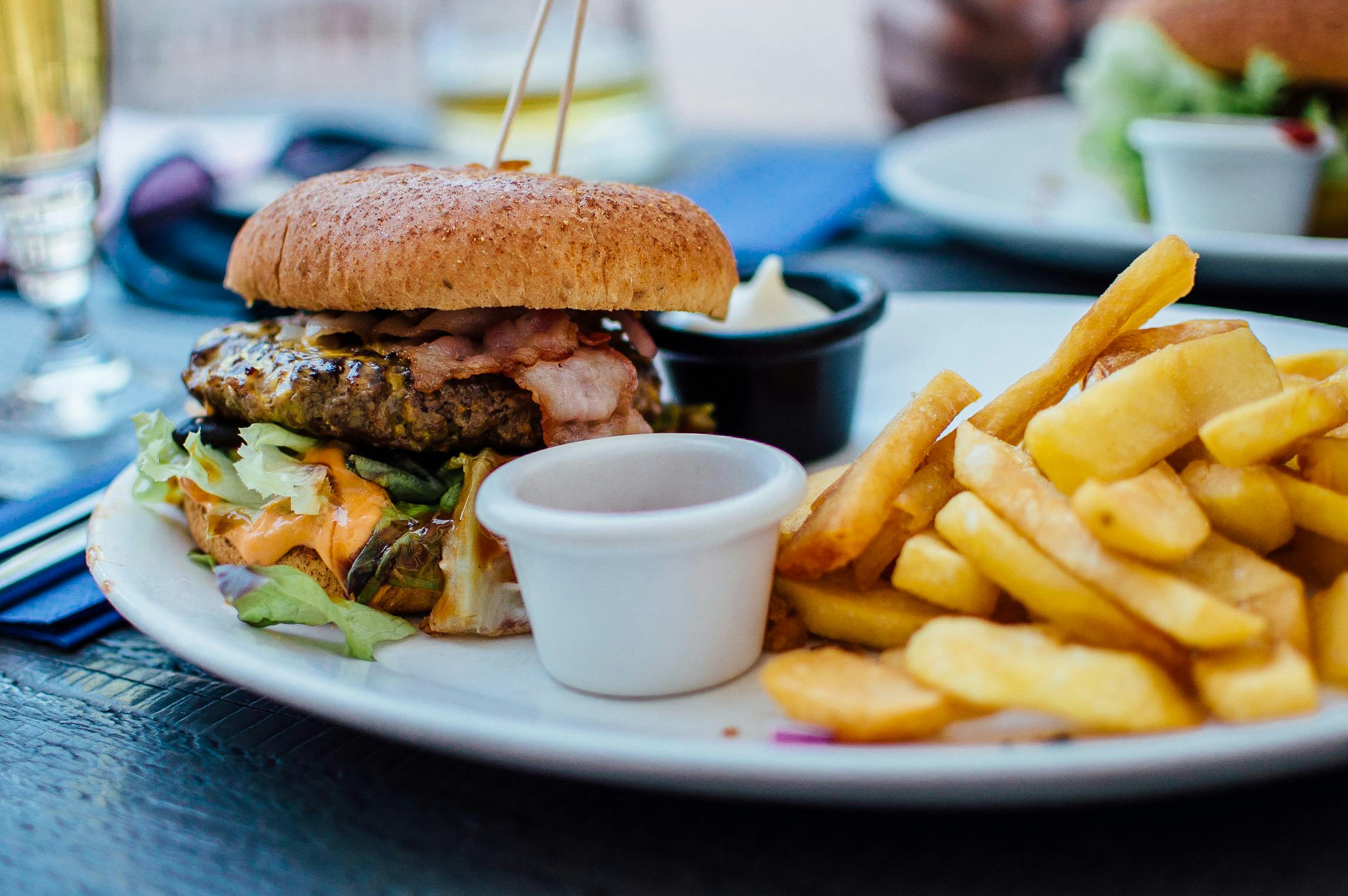
Most people rarely think about their liver — until something goes wrong. But fatty liver disease is now one of the fastest-growing health problems in the United States and worldwide. Often linked to modern eating habits and processed foods, fatty liver can develop silently, even in people who are not overweight.
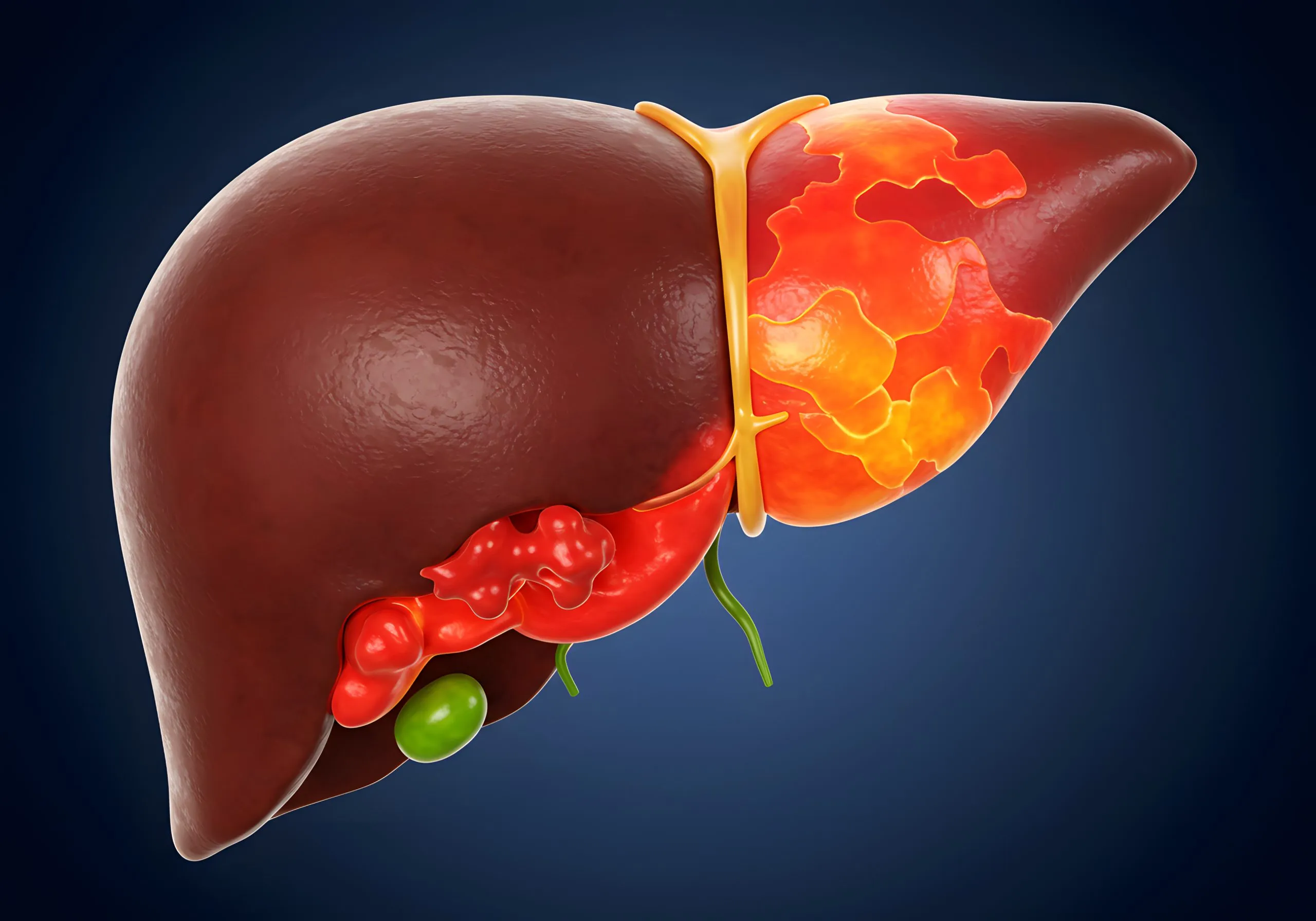
If left untreated, fatty liver disease can gradually worsen. Over time, excess fat buildup may lead to serious complications such as liver inflammation, fibrosis, and even cirrhosis — a life-threatening condition that permanently damages the liver. The good news is that early lifestyle and diet changes may help slow, stop, or sometimes reverse fatty liver disease.
In this guide, you’ll learn how a fatty liver diet can support liver health, along with practical, science-backed strategies you can start using in your daily routine to help protect your liver.
Why would you start a fatty liver diet?
Believe it or not, your liver is a silent organ but one of the most important in the body. It has over 500 functions, and most of them are related to your metabolism. If your liver is damaged, you won’t get the same nutrients from food, your blood would not clear up toxins, and you will lose a valuable filter that prevents the circulation of toxins absorbed from food.
A fatty liver diet will prevent that from happening while providing appropriate nutrition that your liver and the rest of the organism will thank. You could even reverse the condition and heal without magic pills. Unlike cirrhosis, you can fully recover your liver if you have fatty liver.
Basics of fatty liver diet
There are basic rules to follow if you’re following a fatty liver diet. Your condition can be very mild or relatively advanced and almost reaching to the point of fibrosis. The more advanced your condition is, the stricter you need to be with these recommendations:
-
- Avoid alcoholic beverages: We’re placing this recommendation on top because it is probably the most important. Alcoholic drinks are toxic for the liver. They quite literally destroy the liver from the inside. The organ tries to break down alcohol to protect your body, and alcohol releases free radicals in the process and causes injuries to the liver. Additionally, it leads to nutrient absorption deficit and other problems.
- Choose your fats: You need to know that you have healthy fats and very unhealthy choices. Healthy fats such as avocado and olive oil won’t affect your liver unless you overdo. Unhealthy fats in processed food and red meat can affect your liver and worsen your condition. Suppose you’re in an advanced stage of the disease. In that case, you may need to avoid fats altogether or reduce the consumption dramatically because the liver may start to fail to produce bile, and you would get a hard time processing high levels of fat.
- Avoid undercooked foods: This is particularly important if you have advanced liver disease and start developing liver fibrosis. In these cases, your liver is starting to fail as a filter for certain substances, viruses, and bacteria that may become absorbed along with your food. So, you don’t want to give your body extra work.
- Eat enough without overeating: Balance is essential if you have been diagnosed with fatty liver. Even if you eat healthy food, too much of a good thing is not always a good thing. Overeating healthy foods can also lead to worsening your condition. So, make sure that you’re properly nourished and do not use fad diets, but stay away from overeating as well.
- Talk to your doctor or dietitian: Depending on your liver condition, the dietitian may give you particular recommendations that will work for you and nobody else. So, communication is important, as well as a careful follow-up to see if something changed.
If you don’t feel sick but were diagnosed with fatty liver disease, the recommendation is still considering these dietary changes. You don’t need to start feeling bad or reach a critical phase of the disease to start doing something about it. Liver cirrhosis and similar conditions take years to develop, but once you’re on that field, there’s no way back.
Dietary recommendations
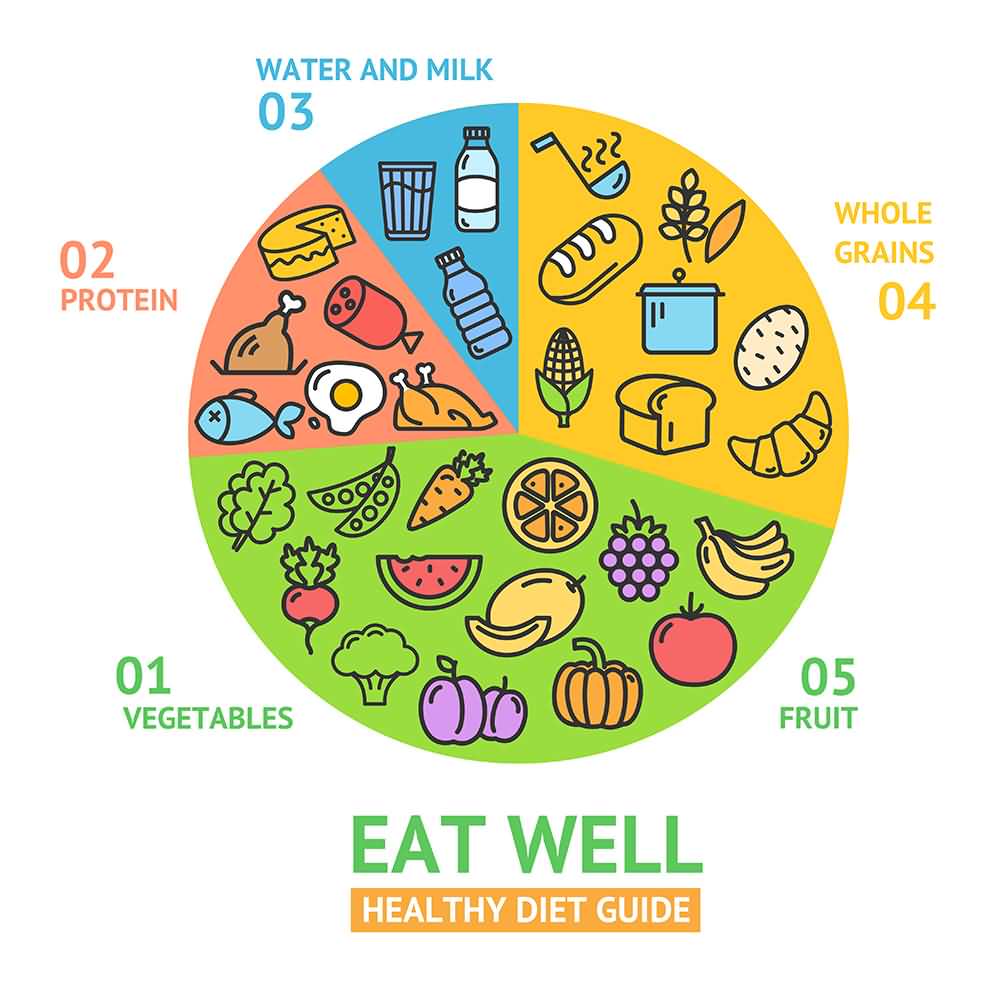
Here’s a list of specific recommendations that will help you build up your own dietary program. If you have a question or concern, talk to your doctor or dietitian.
-
- Fruits and vegetables: They should be your top dietary choices, and you should prefer fresh fruits and vegetables instead of processed options whenever possible. Canned fruits and vegetables may give you added sugar and sodium, which interfere with your liver. They may also have additional substances that give your liver double work. We recommend using fruits as a snack between your main dishes, especially if they are fiber-rich or have a high-water content, such as apples and watermelon.
- Dairy products: Talk to your doctor to see if you can actually consume dairy products, but in most cases, you can. Just make sure that it is low-fat instead of whole milk. If you’re going for yogurt, look for Greek yogurt instead of the average yogurt bottles you find everywhere. Be cautious around it and read the labels to avoid all types of added sugar.
- Grains and legumes: We recommend choosing whole-grains whenever possible. Whole-wheat is much better if you have to choose because it has extra fiber and reduces your cholesterol levels. You can also eat granola bars, but make sure that they do not have added sugar. Legumes are excellent for the diet because they have a type of soluble fiber that attaches to cholesterol and eliminates it in your feces.
- Protein: If your liver condition is severe, your doctor may recommend a lower intake of protein. Red meat should only be taken once or twice a week, and if you have a severe condition, it might not be an approved food for you. Stay away from sausages and cold meats. They are particularly damaging due to their high sodium and saturated fat levels. The safest protein comes from plants, especially legumes, tofu, and nuts.
- Drinks and beverages: Once again, stay away from alcohol. Besides this recommendation, there is not much to say. Fizzy drinks are not always off-limits, but you should moderate the consumption. As for juice and milk, look for pasteurized options if you have a more severe condition. Ask your doctor about coffee because recommendations around coffee consumption should be personalized according to your liver disease stage.
How to cook if you have liver disease?
This is another important topic. Actually, one of the most fundamental aspects of nutrition. You can have perfectly healthy ingredients, but the preparation can make it healthy or very damaging to your liver.
However, there’s a basic rule of thumb here, and if you follow this rule, everything else will be easier: avoid frying your food or using oil. Butter isn’t a good idea, either. Instead of frying things, try boiling, grilling, or buy a vaporizer to prepare your veggies. Try with new preparation methods that do not require oil.
Another recommendation is to use spices and herbs. Many of them have antioxidant and anti-inflammatory substances that will help your liver recover faster. For example, curcumin, oregano, thyme, cinnamon, and clove. They also make your food taste different and particularly good.
If your doctor considers red meat appropriate for you, make sure that you’re consuming lean cuts. Take away fatty portions left in your cut, and do not consume your poultry with the skin. If you can consume more seafood than red meat, that would be fantastic, but be sure to cook everything properly and clean your hands before manipulating your food.
Final recommendations
- If you’re taking multivitamin medications, avoid overdosing with vitamin A or using two multivitamins with vitamin A in them. An excess of vitamin A can damage the liver.
- If you’re taking medications for your liver or have any type of chronic disease, talk to your doctor before starting with a dietary supplement, even if it is designed for liver support
- Remember that every diet starts feeling different and restrictive, but that’s until you get used to it. Give it some time, and remember that this is to maintain your own health.
Medical Disclaimer
This content is intended for general educational purposes only and should not be considered medical advice. The information presented is not a substitute for professional medical evaluation, diagnosis, or treatment. Always consult a qualified healthcare provider before making changes to your diet, medications, supplements, or lifestyle.
If you experience symptoms or believe you may have fatty liver disease or another medical condition, seek medical attention promptly. Reliance on any information provided by A2ZHealthy is solely at your own risk.