What is Fatty Liver Disease?
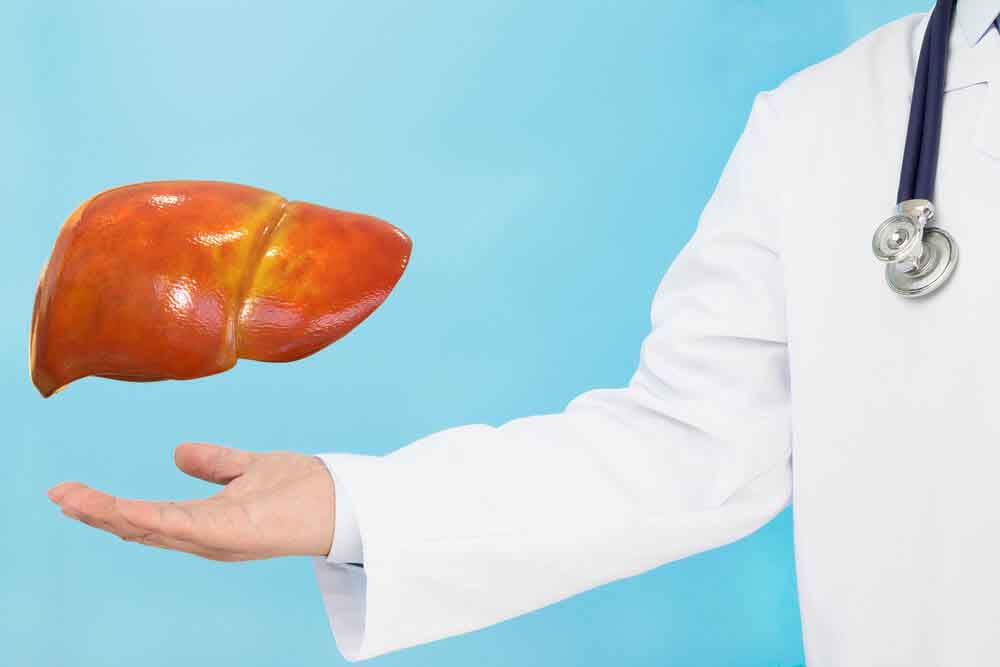
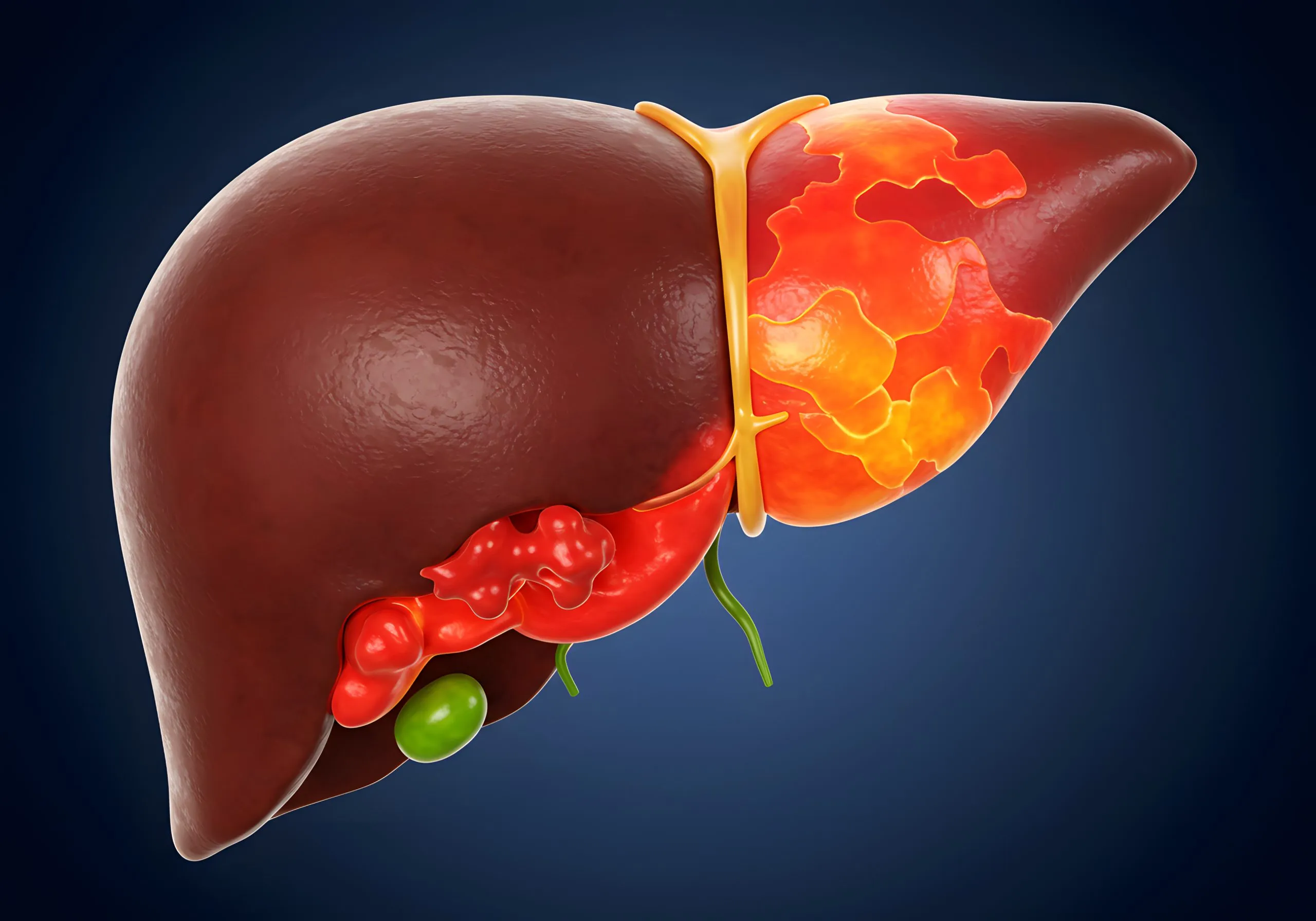
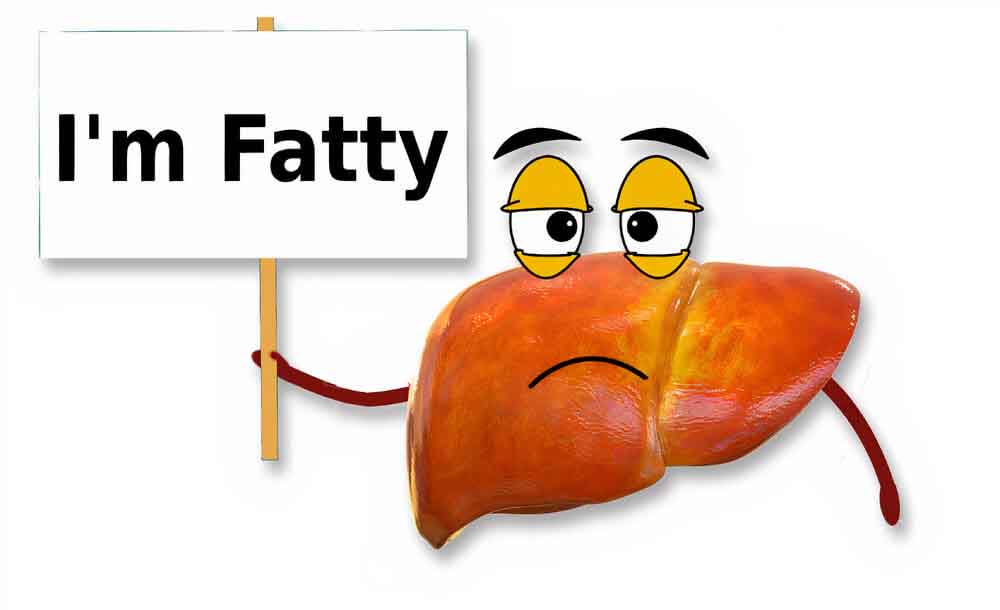
Fatty liver means that excess fats accumulate within and around liver cells. Fat is a normal component of such cells, since they are responsible for its processing. Its accumulation means that either such cells are unable to process it fast enough or that it has become diseased that it cannot process it at the normal rate.
Fatty liver disease can be either related to alcohol, which is called ALD or Alcoholic Liver Disease, or unrelated to alcohol, in which case it is called NALD or Non-Alcoholic Liver Disease. In both cases, liver cells are damaged by inflammation resulting from the accumulation of such fats. Although the mechanism of liver cell damage in alcoholic liver disease is not fully understood, people who consume more than 60 grams of alcohol per day are more prone to develop fatty liver through either direct damage of liver cells by the alcohol or increased fatty acid levels as a secondary effect of alcohol consumption. It takes several years of alcohol consumption or an unhealthy diet to damage the liver, and fortunately, it can be reversed if action is taken early.