Diagnosis
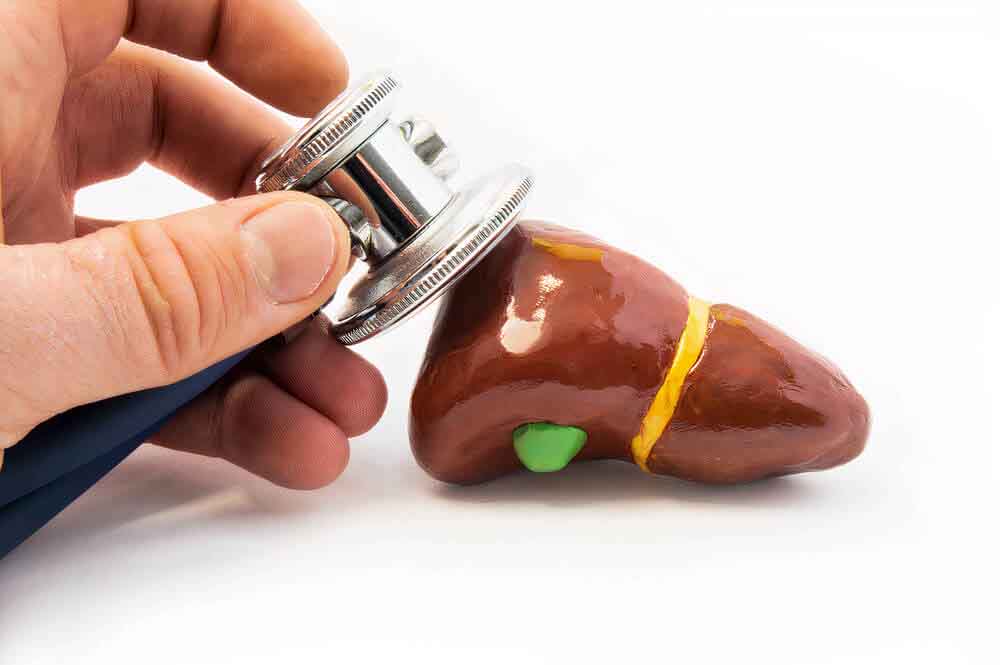
Diagnosing fatty liver disease needs many tests and imaging studies, and you doctor may need you to pay several visits before a final diagnosis can be reached. They will first listen to your complaints and ask you a few questions regarding your habits including your diet and alcohol consumption. They may also ask you questions to exclude other causes of liver disease such as hepatitis viruses.
Afterward, you will be examined for signs of liver disease including an abdominal examination to detect liver enlargement. After that, your doctor will order some lab tests including:
- Liver function tests: Liver function tests are essential to diagnosing liver disease. They detect liver cell damage and functions carried out by the liver such as the production of proteins and detoxifying.
- Full lipid profile: The lipid profile includes all three types of cholesterol (LDL-C, VLDL-C, and HDL-C) as well as triglycerides. Lipid profile is essential to diagnose fatty liver disease and for planning treatment.
- Alcohol level: Blood alcohol levels are important to diagnose whether your consumed amount of alcohol may be enough to cause such problems.
- Blood sugar levels: Blood sugar levels indicate diabetes, which is one of the most common causes of fatty liver disease.
- Viral markers: Sometimes, it is not enough to exclude viral causes of liver disease by history taking alone, and your doctor may opt to run some tests for hepatitis B and C as well as other viruses to make sure to treat them if they are present.
- Other routine tests: Other routine tests are done including a complete blood count and a coagulation profile for the assessment of your general condition.