Skip to content

Why Would A Doctor Order a GGT Test?

Signs of liver disease such as jaundice or vomiting lead to routine tests that may include a GGT test. However, it is also common practice to order this type of test to rule out asymptomatic liver disease, such as hepatitis. If a doctor suspects a liver condition and there are too few indicators, GGT tests may contribute to a proper diagnosis.
Nevertheless, GGT levels may rise due to many factors, so it is not a very specific way to determine the exact cause of the alteration. That is the reason why GGT tests are ordered among other tests in the liver panel. They are interpreted as indicators of liver diseases. Low GGT levels suggest a non-hepatic condition.
Even in small amounts on a daily basis, alcohol intake can increase levels of GGT to different degrees. In patients with chronic alcohol abuse, GGT may double the normal range. Gamma-glutamyltransferase may also indicate if someone with alcohol abuse in the rehabilitation process has taken alcohol recently, and a test may be applied in this context to clarify the patient’s status.
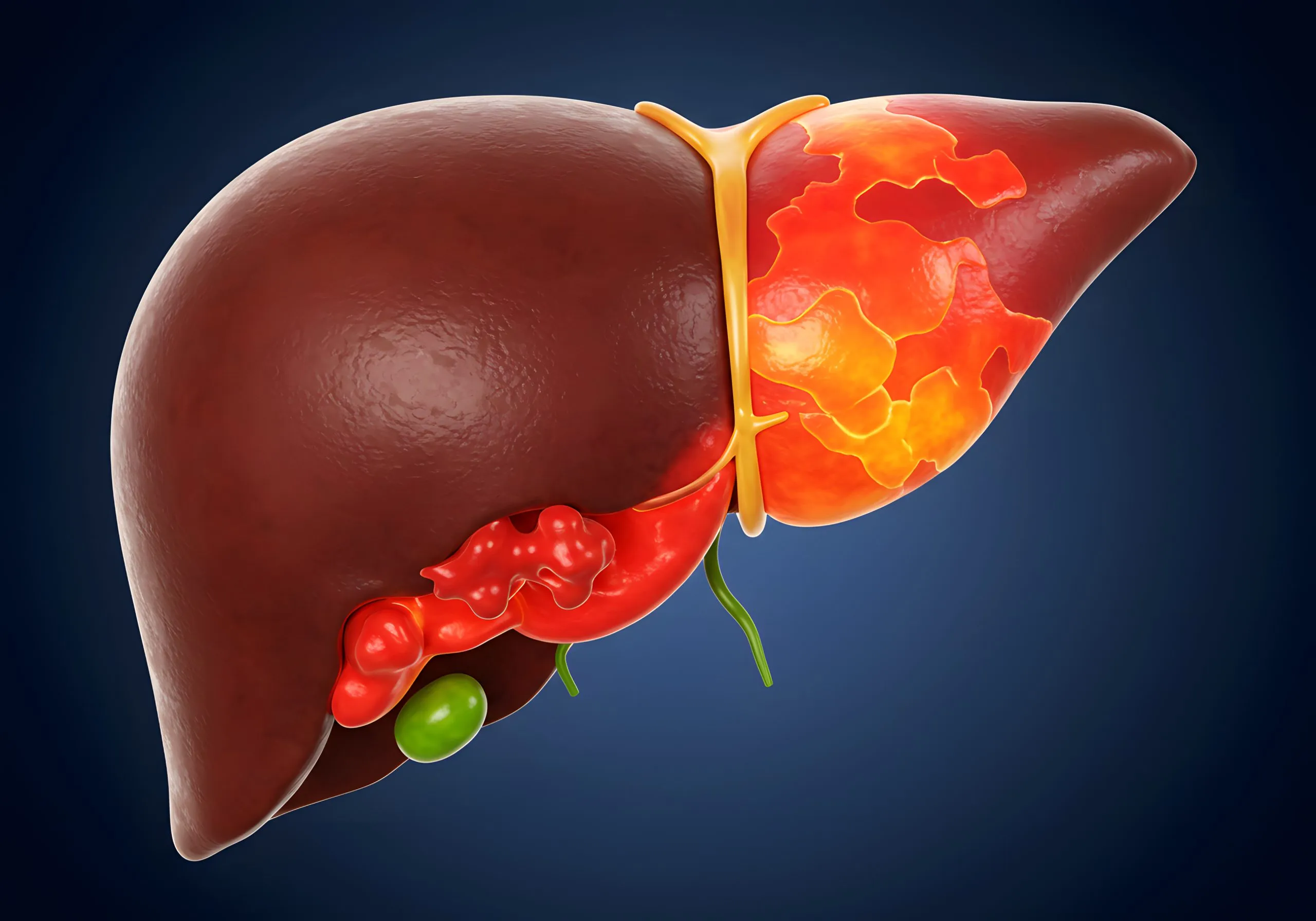
When a test shows elevated levels of GGT, the most frequent cause is proportional liver damage. For example, in cases of cirrhosis, the GGT levels commonly show the progress of the illness.
However, not only the problems in the liver produce an elevation in GGT. Pancreatitis, diabetes, and congestive heart failure are some of the conditions that raise GGT levels.