Skip to content
3) Creams Containing Steriods
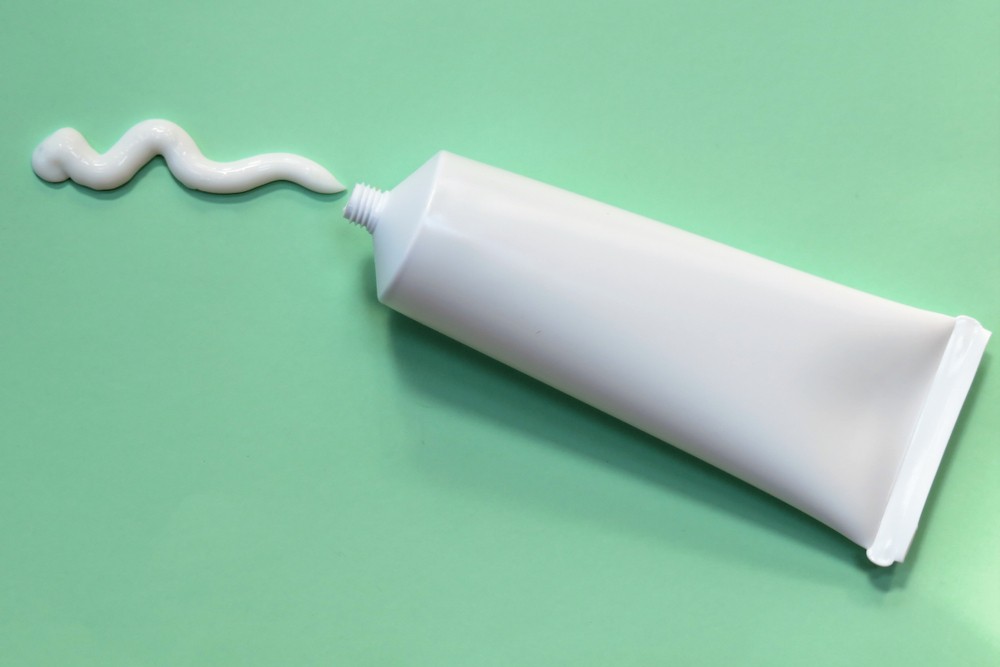
Heat rash symptoms may be relieved using hydrocortisone lotion, a corticosteroid. It can be found at any medical store and used once or twice a day to reduce itching.
While you can use it on your baby’s skin for a limited period, don’t use it beneath the diaper. It is potentially irritating to the skin.
WHEN SHOULD YOU SEE A DOCTOR?
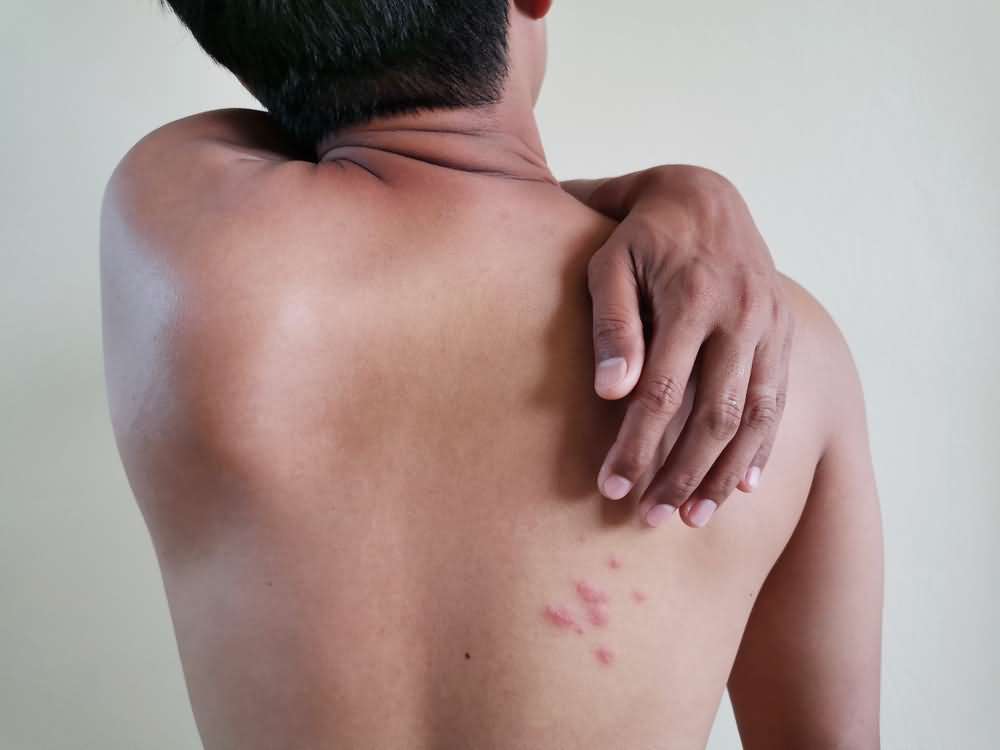
While there are a lot of excellent home remedies for heat rash, if any issues arise, you should seek medical advice.
If a rash does not go away after a week of starting treatment, or if you develop a rash after taking any new medicine, you should contact your doctor.
If a rash appears to be infectious, you should also see a doctor. Infected skin can cause multiple symptoms like pus, oozing, discharge, fever, sore throat, and pain.
You can discuss methods to stop your child from scratching with your doctor or pharmacist, such as using calamine lotion or corticosteroid cream. As a result, the areas will not become infected.
Sweaty garments and soiled diapers should be changed frequently. After a bath, make careful to dry in their skin folds and avoid using a plastic mattress.
THE TAKEAWAY
Heat rashes are caused by your body overheating and sweating; therefore, maintaining cool will help you avoid them. On hot days, take the following precautions to avoid heat rashes:
- Stay in cool, air-conditioned areas.
- Drink lots of water;
- avoid wearing too many layers of clothing
- avoid excessive physical exercise.
- Take chilly showers or baths to relieve stress.
Children and babies should be kept cool, hydrated, and dressed comfortably at all times. Also, make sure you’re changing your baby’s diaper regularly. Heat rash can be exacerbated by moisture. If you have a heat rash, you can treat it with various home treatments. Cold showers and compresses and many ointments and drugs are among the options.
References
- D. Yl, A. Rosenbaum, J. K. Spain, C. Liotta, T. Terrell, and R. Branoff, “Heat-Related Illness in Athletes: Recognition and Treatment,” Athl. Train. Sport. Heal. Care, vol. 2, no. 4, pp. 152–154, Jul. 2010, doi: 10.3928/19425864-20100629-03.
- G. KC, T. A, and K. K, “Miliaria,” Inpatient Dermatology, pp. 383–385, Feb. 2019, doi: 10.1007/978-3-319-18449-4_77.
- H. L. Tey, E. Y. Tay, and T. Cao, “In vivo imaging of miliaria profunda using high-definition optical coherence tomography: diagnosis, pathogenesis, and treatment.,” JAMA Dermatology, vol. 151, no. 3, pp. 346–348, Mar. 2015, doi: 10.1001/JAMADERMATOL.2014.3612.
- G. Ghahramani, “Miliaria,” Inpatient Dermatology, pp. 383–385, Nov. 2018, doi: 10.1007/978-3-319-18449-4_77.
- K. Sunantawanich and W. Pratchyapruit, “Heat-Related Skin-Colored Papules with Associated Hypohidrosis: Miliaria Profunda,” Thai J. Dermatology, vol. 37, no. 2, pp. 57–62, Jun. 2021, Accessed: Jan. 16, 2022. [Online]. Available: https://he02.tci-thaijo.org/index.php/TJD/article/view/249057.
- H. Nagai and C. Nishigori, “Neutrophilic superficial eccrine ductitis: Proposal of a new disease concept,” Pediatr. Dermatol., vol. 35, no. 2, pp. e105–e109, Mar. 2018, doi: 10.1111/PDE.13386.
- M. Gupta and S. Bhargava, “Home remedies in different pediatric dermatoses: An observational study,” Dermatol. Ther., vol. 33, no. 6, p. e14141, Nov. 2020, doi: 10.1111/DTH.14141.
- A. Sahin, E. Karadag Oncel, M. T. Ozkul, and M. Y. Oncel, “Sprinkled water drops on the skin in newborns: congenital miliaria crystallina,” Arch. Dis. Child. – Fetal Neonatal Ed., vol. 105, no. 5, pp. 562–562, Sep. 2020, doi: 10.1136/ARCHDISCHILD-2020-319008.
- M. Criquet, R. Roure, L. Dayan, V. Nollent, and C. Bertin, “Safety and efficacy of personal care products containing colloidal oatmeal,” Clin. Cosmet. Investig. Dermatol., vol. 5, p. 183, Nov. 2012, doi: 10.2147/CCID.S31375.
- M. Tanaka, E. Misawa, K. Yamauchi, F. Abe, and C. Ishizaki, “Effects of plant sterols derived from Aloe vera gel on human dermal fibroblasts in vitro and on skin condition in Japanese women,” Clin. Cosmet. Investig. Dermatol., vol. 8, p. 95, Feb. 2015, doi: 10.2147/CCID.S75441.
- L. P. Lawley, “Overview of Dermatologic Care in Children,” Ther. Pediatr. Dermatology, pp. 1–5, 2017, doi: 10.1007/978-3-319-43630-2_1.