Skip to content

What to avoid

Red meat -in excess-
Red meats, such as beef, lamb, and venison, are rich in heme iron and promote the absorption of non-heme iron. If you don’t want to avoid eating red meat, discuss the acceptable amount with your healthcare provider. Small amounts of red meat may not represent a problem in hemochromatosis. Also, it is helpful to pair red meat with foods that reduce iron absorption. Chicken contains less heme iron.
Vitamin C rich foods
As we said, vitamin C has a significant enhancing effect on non-heme iron absorption. Thus, if you have hemochromatosis, you should avoid vitamin C supplements. Vitamin C is an essential part of a healthy diet, but you should eat vitamin-C-rich foods in moderation.
Fruits and vegetables are rich in vitamin C and iron, but their iron is non-heme, and vitamin C content is too low to affect iron absorption badly. Thus, their benefits may outweigh the risks. Talk with your doctor about how much vitamin C you need and the best sources to get it.
Fortified foods
Many fortified foods, such as breakfast cereals, have added nutrients to improve nutrition. These fortified products are rich in iron, which may increase your iron levels. If you have hemochromatosis, you should check the iron content before eating these foods because you should avoid iron-fortified foods.
Alcohol
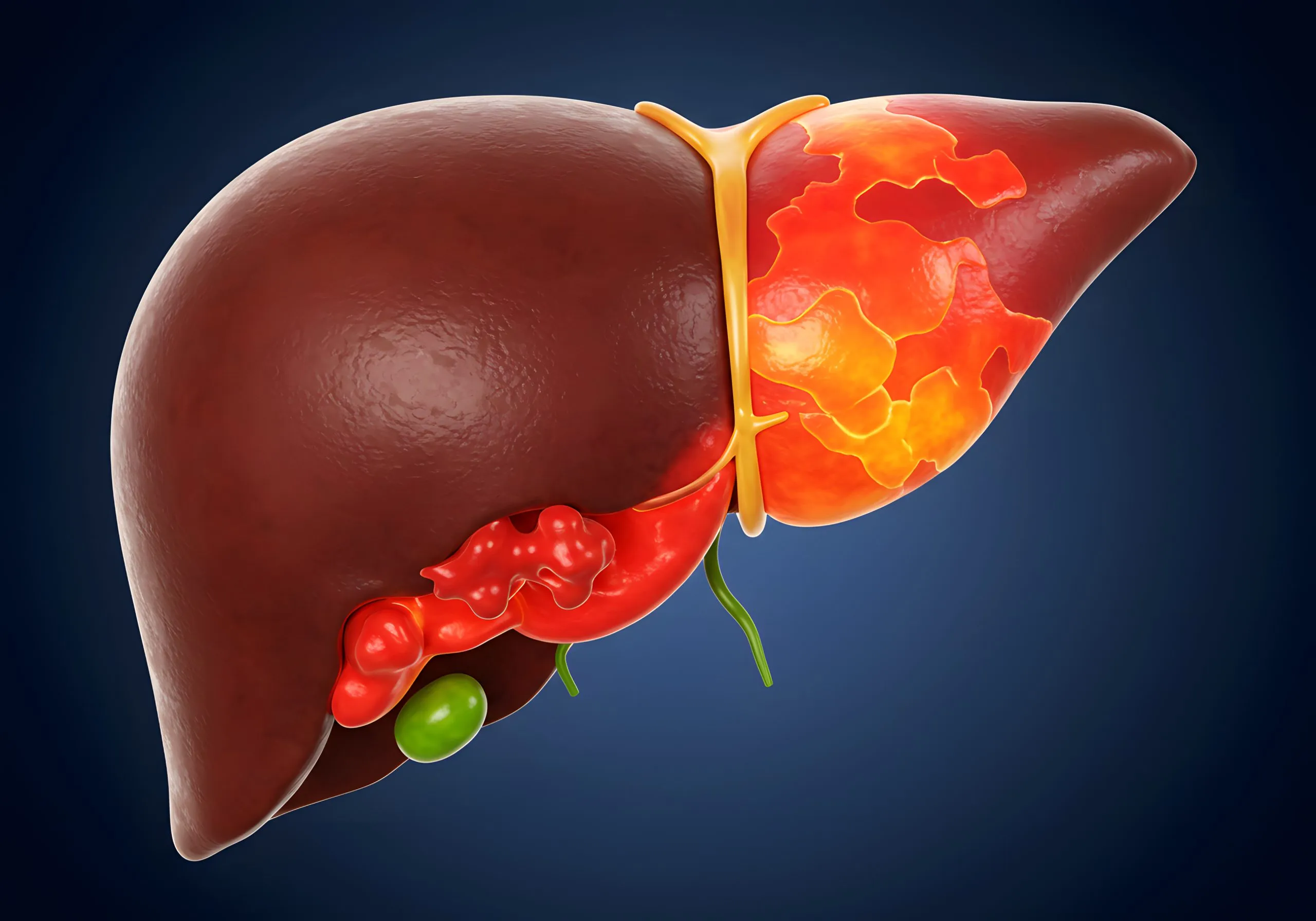
Regardless of hemochromatosis, you should limit or even avoid alcohol when you are risky for liver damage. In hemochromatosis, alcohol causes two problems; it increases the non-heme iron absorption and causes or worsen liver damage. Thus, according to your condition, your doctor will advise you to limit or avoid alcohol intake.
Raw fish
Raw fish and shellfish, such as oysters, mussels, and clams, contain Vibrio vulnificus bacteria that cause a severe infection, vibriosis. This seafood doesn’t give a high amount of iron, but patients with hemochromatosis should avoid raw shellfish because they are more susceptible to vibriosis. They should cook any shellfish to kill this bacteria. The symptoms include fever, chills, nausea, vomiting, diarrhea, and red and warm skin lesions.