Skip to content

Treatment and Management
There is no cure for Hemophilia B, but treatment focuses on preventing and managing bleeding episodes. The primary treatment is factor IX replacement therapy, which involves infusing factor IX concentrates into the bloodstream to promote clotting.
1. Factor IX Replacement Therapy
- On-demand therapy: Factor IX is infused when a bleeding episode occurs.
- Prophylactic therapy: Regular infusions are given to prevent bleeding episodes, especially in individuals with severe Hemophilia B.
- Extended half-life factor IX products: These allow for less frequent infusions compared to traditional factor IX concentrates.
2. Gene Therapy
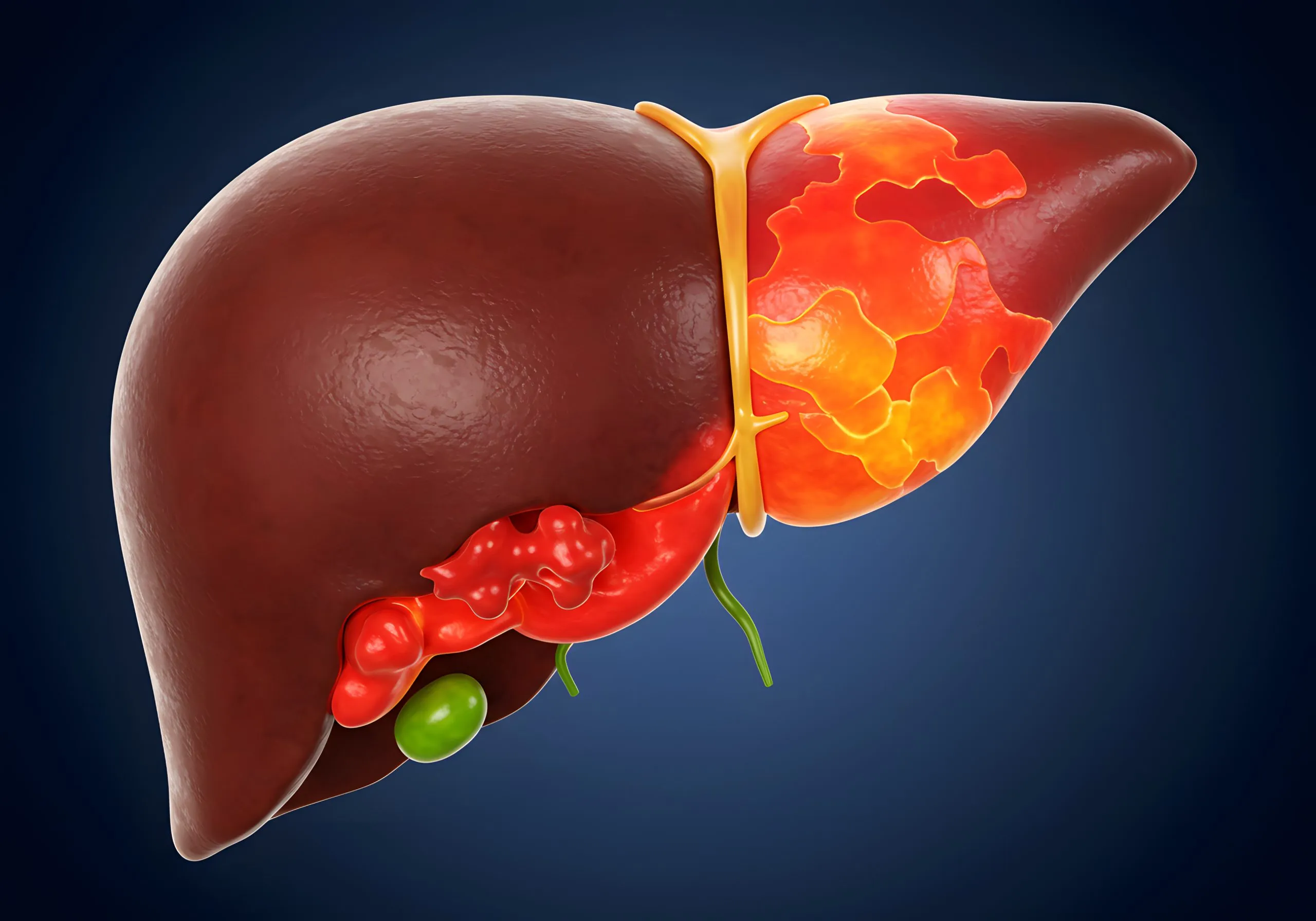
Recent advancements in gene therapy offer hope for a long-term treatment or potential cure. Gene therapy involves delivering a functional copy of the F9 gene to the liver using viral vectors, allowing the body to produce its own factor IX. Early clinical trials have shown promising results, with some patients achieving near-normal factor IX levels.
3. Other Treatments
- Desmopressin (DDAVP): Although commonly used for Hemophilia A, it is ineffective for Hemophilia B.
- Antifibrinolytic drugs (e.g., tranexamic acid, aminocaproic acid): Help prevent clot breakdown and are useful for managing mild bleeding episodes, especially in dental procedures.
- Pain management: Joint bleeds can cause significant pain and long-term joint damage. Pain relievers like acetaminophen are recommended, while NSAIDs (e.g., ibuprofen, aspirin) should be avoided as they can worsen bleeding.
Complications of Hemophilia B
Without proper management, Hemophilia B can lead to serious complications, including:
- Joint damage and arthritis: Repeated joint bleeds cause chronic pain, stiffness, and deformities.
- Intracranial bleeding: Spontaneous bleeding in the brain can lead to seizures, neurological deficits, or death.
- Inhibitor development: Some patients develop inhibitors (antibodies) against factor IX, making treatment less effective and more challenging.
Living with Hemophilia B
People with Hemophilia B can lead relatively normal lives with proper care. Lifestyle adjustments can help minimize risks:
- Avoid high-impact sports to prevent injuries.
- Practice good oral hygiene to reduce the need for dental procedures that could trigger bleeding.
- Ensure safe medical procedures by informing healthcare providers about the condition before surgeries or treatments.
- Carry medical alert identification in case of emergency.
Conclusion
Hemophilia B is a serious but manageable genetic disorder. With advancements in treatment, especially factor IX replacement therapy and gene therapy, individuals with Hemophilia B can enjoy improved quality of life and fewer complications. Ongoing research continues to enhance treatment options, bringing hope for better therapies and a potential cure in the future.