Skip to content

Symptoms of hepatotoxicity
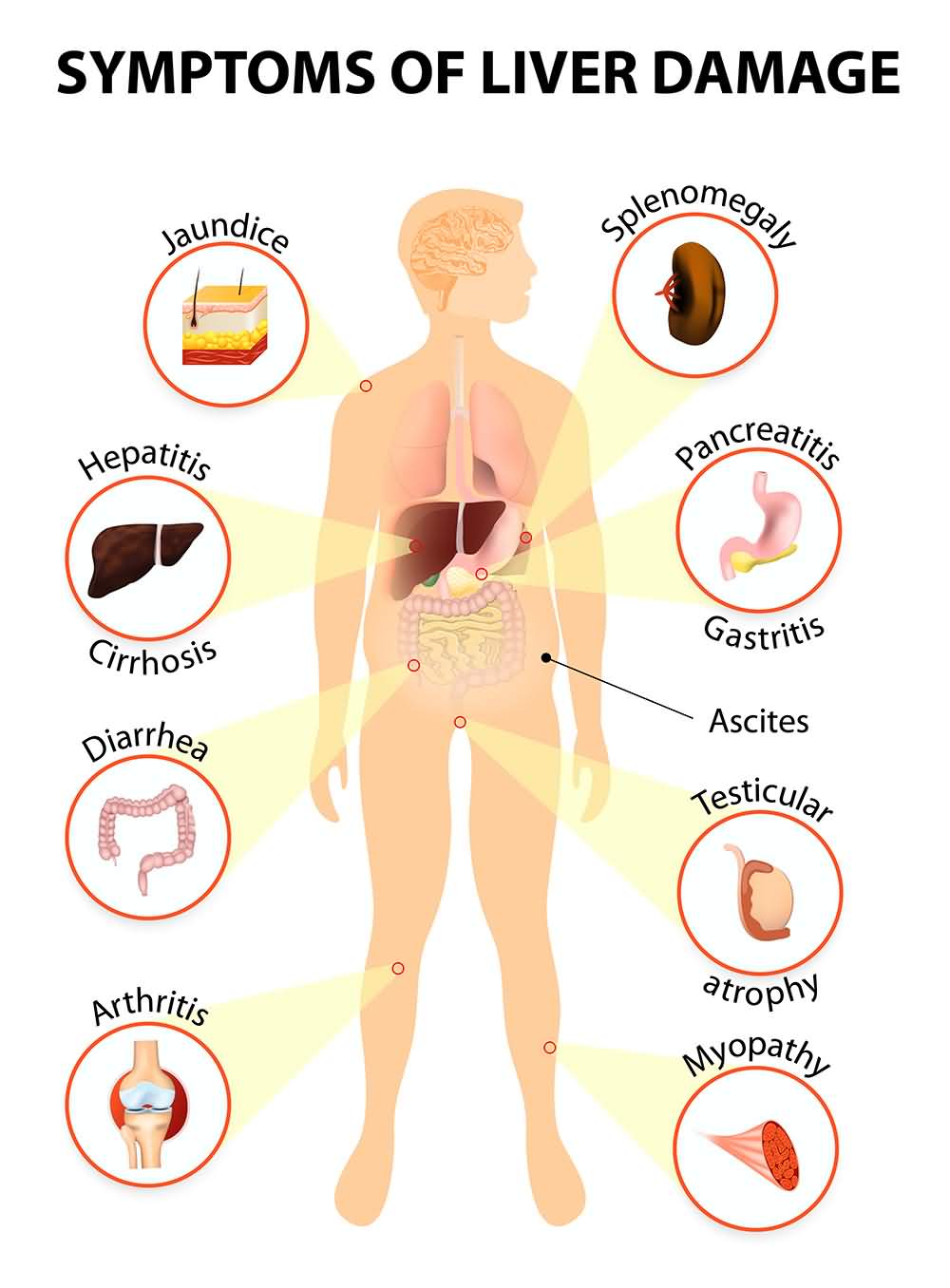
There is a wide spectrum of symptoms for hepatotoxicity depending on the severity of the condition. Some people may even discover it accidentally without any symptoms. The main indicator of liver damage is elevated liver enzymes. Others may manifest symptoms that range from mild to severe or life-threatening. The most common symptoms include:
- Symptoms of other side effects of the medication given: If the cause of liver damage is a drug, then you can expect to have other manifestations of its side effects. These include nausea, vomiting, rash, fever, and generalized weakness. Other more specific side effects can be seen, for example, amiodarone can cause lung damage and severe breathlessness.
- Jaundice: Jaundice is the hallmark symptom of liver damage. Our liver metabolizes bilirubin and excretes it in bile, and when the liver is damaged, it accumulates in the body and causes the characteristic yellowish tinge of the white of the eyes and the skin.
- Itching: Itching occurs in liver disease because of the accumulation of bile salts. Bile salts are also usually excreted in bile, and when they regurgitate into the blood, they cause severe itching of the skin. This is usually the most bothersome symptom.
- Troubles with sleep and concentration: When the liver is damaged, the level of ammonia rises in the blood, which causes it to damage the brain, a condition known as hepatic encephalopathy. Patients usually complain of insomnia, sleepiness throughout the day, or both.
- Easy bruising: The liver forms most of the coagulation factors, and their deficiency in liver disease can cause easy bruising and prolonged bleeding.