Skip to content

Medically reviewed by:
A2ZHealthy Medical Review Team
Review date: January 2026
We’ve compiled a list of foods that are commonly high in cholesterol or unhealthy fats, which may contribute to elevated cholesterol levels when eaten frequently. Monitoring your cholesterol levels is an important part of maintaining heart health and supporting a healthy weight.
According to national health data, more than 90 million adults in the United States have high cholesterol, defined as a total cholesterol level of 200 mg/dL or higher. For most adults, a total cholesterol range between 125 and 200 mg/dL is considered desirable. Persistently elevated cholesterol levels are associated with an increased risk of heart disease and stroke, making dietary choices an important preventive factor.
Top Foods to Limit if You Have High Cholesterol
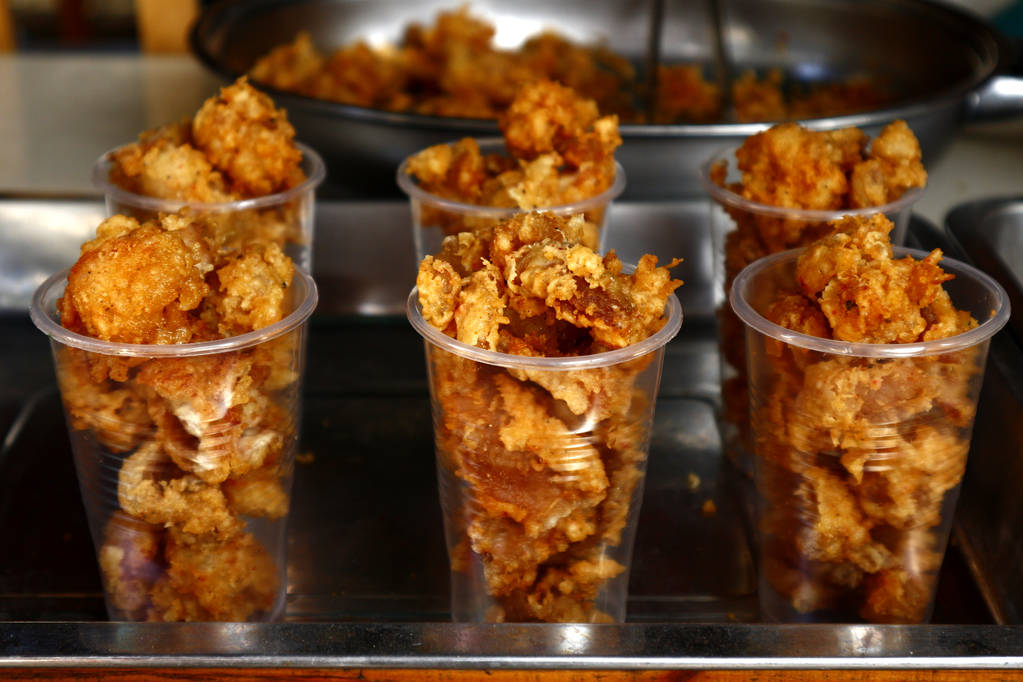
1) Deep-Fried Foods
Deep frying is a cooking method in which foods are submerged in hot oil. This process significantly increases the amount of unhealthy fats and calories in food, which may negatively affect cholesterol levels when consumed regularly.
Instead of deep frying, healthier cooking methods such as grilling, baking, roasting, or steaming can help reduce excess fat while still preserving flavor. Common examples of deep-fried foods include french fries, fried pickles, breaded chicken strips, fried shrimp, corn dogs, and croquettes.
Centers for Disease Control and Prevention (CDC). High Cholesterol Facts.
American Heart Association. Cholesterol.Mayo Clinic. Cholesterol: Top foods to improve your numbers.
2) Red Meat

High cholesterol foods, particularly those high in saturated and trans fats, can contribute to elevated levels of cholesterol in the blood, which is a risk factor for heart disease and other cardiovascular issues. Red meat, especially fatty cuts, is often associated with higher levels of saturated fats and can potentially impact cholesterol levels. However, it’s important to note that the relationship between dietary cholesterol and blood cholesterol levels can vary from person to person.
Here are some considerations regarding red meat and its impact on cholesterol:
Saturated Fats: Red meat, especially fatty cuts like ribs, marbled steaks, and processed meats like sausages and bacon, can be high in saturated fats. Diets high in saturated fats have been linked to increased levels of LDL cholesterol (“bad” cholesterol) in the blood. It’s advisable to limit saturated fat intake to help manage cholesterol levels.
Trans Fats: Processed meats and certain fast food items can contain trans fats, which are artificial fats created during the hydrogenation process. They are known to raise LDL cholesterol levels while reducing HDL cholesterol (“good” cholesterol). Trans fats are often found in some processed meats and fried foods.
Lean Cuts: If you enjoy red meat, opt for lean cuts like sirloin, tenderloin, and loin chops. These cuts generally contain less saturated fat compared to fattier cuts.
Portion Control: Moderation is key. Even lean cuts of red meat can still contribute to saturated fat intake. Consider limiting your portion size and consuming red meat as part of a balanced diet.
Plant-Based Alternatives: Consider incorporating plant-based protein sources into your diet, such as beans, lentils, tofu, tempeh, and nuts. These options are typically lower in saturated fats and can be beneficial for heart health.
Preparation Methods: How you cook your meat matters. Grilling, baking, broiling, or steaming are generally healthier cooking methods compared to frying or using excessive amounts of added fats.
Remember that individual responses to dietary cholesterol can vary, and some people may be more sensitive to its effects on blood cholesterol levels than others. It’s essential to consider your overall dietary habits and lifestyle choices when assessing your risk for heart disease and making dietary decisions.