Skip to content

9) Heavy Cooking Oils
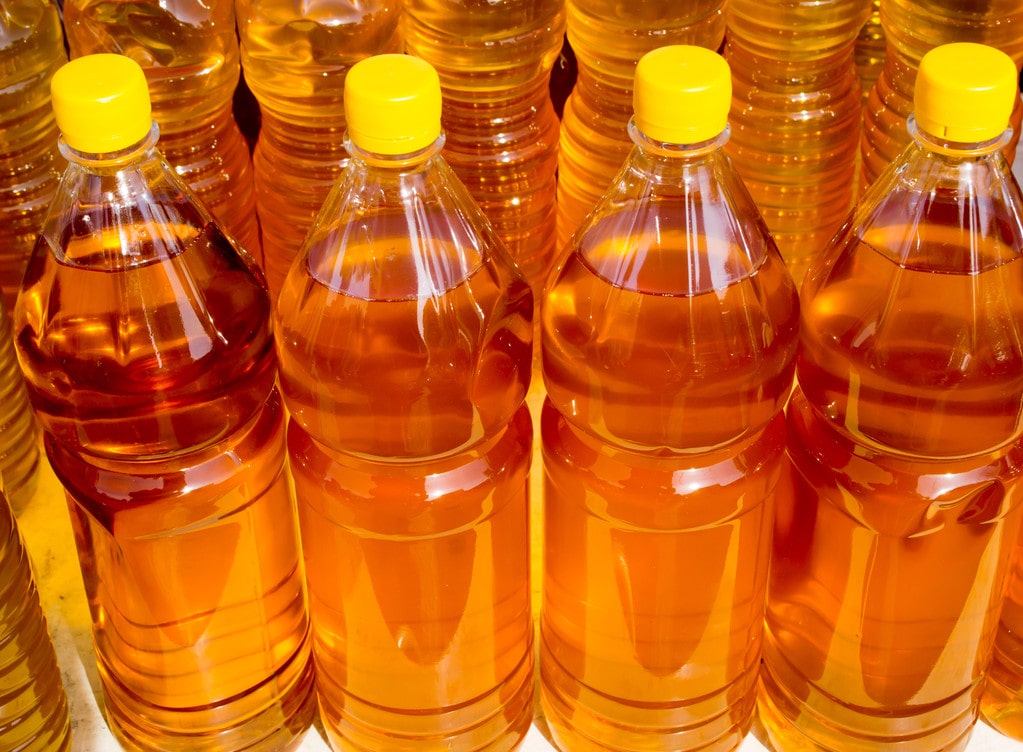
Cooking oils that are high in saturated and trans fats can contribute to higher levels of cholesterol in the body. These types of fats are known to raise “bad” LDL cholesterol levels. “Bad” cholesterol can increase the risk of heart disease and other cardiovascular problems. It’s important to be cautious about using cooking oils that are high in these types of fats, especially if you’re concerned about your cholesterol levels.
Here are some cooking oils that are higher in saturated and trans fats and can potentially impact cholesterol levels:
- Coconut Oil: While it has gained popularity for various uses, coconut oil is high in saturated fats, which can have a negative impact on cholesterol levels.
- Palm Oil and Palm Kernel Oil: Both palm oil and palm kernel oil are commonly used in processed foods and have higher levels of saturated fats.
- Butter: Butter is a dairy product that contains saturated fats and cholesterol, both of which can impact blood cholesterol levels.
- Lard: Lard, which is rendered pork fat, is high in both saturated fats and cholesterol.
- Shortening: Shortening, often used in baking, can be high in trans fats if it’s partially hydrogenated.
If you’re looking to manage your cholesterol levels or maintain heart health, it’s generally advisable to choose cooking oils that are higher in unsaturated fats. Choose monounsaturated and polyunsaturated fats when available. These types of fats can help improve your cholesterol profile by increasing “good” HDL cholesterol levels and reducing “bad” LDL cholesterol levels.