Skip to content

How to prevent hepatitis

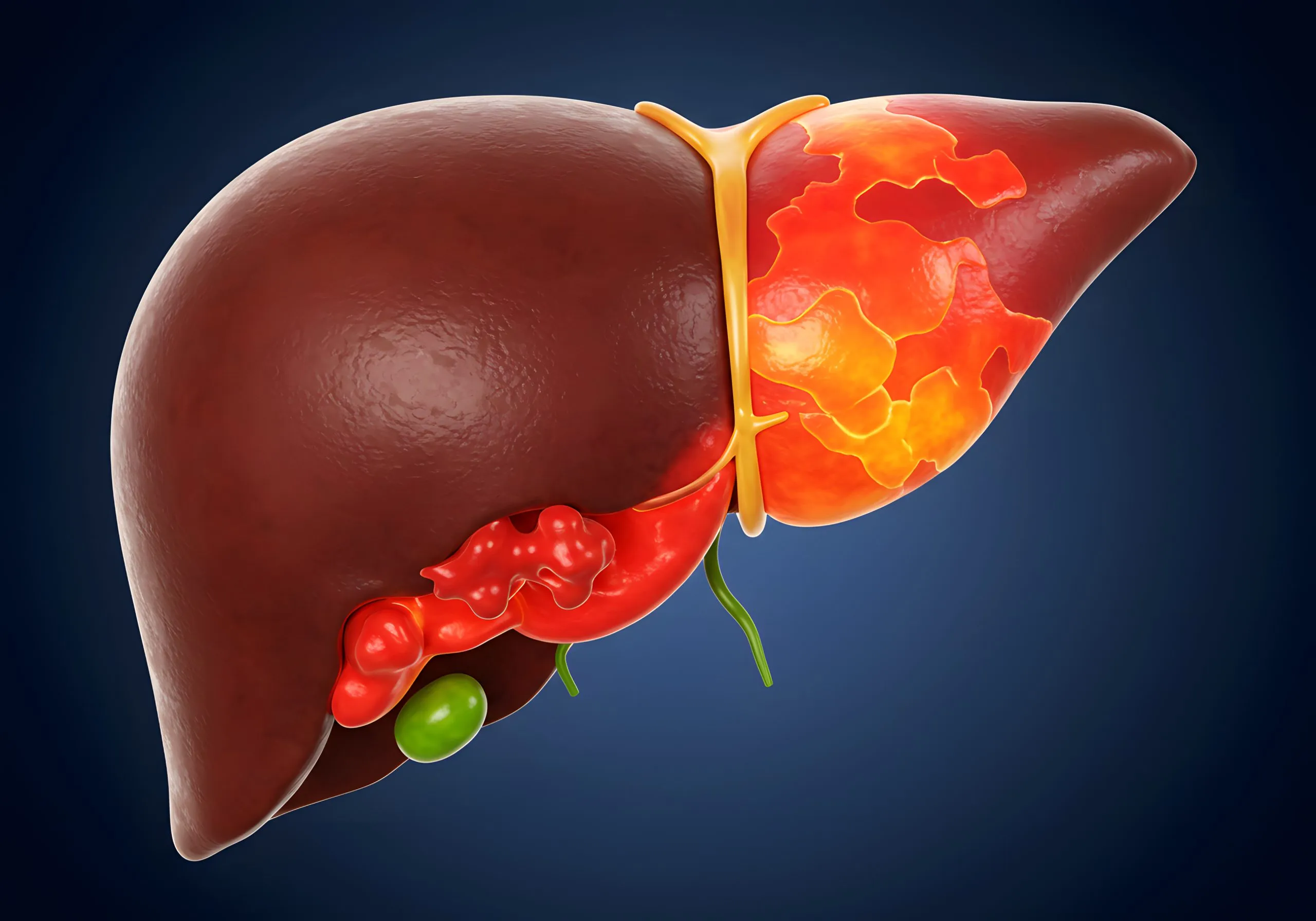
As noted above, hepatitis is not a single disease. It is the inflammation of the liver, which may be triggered by different causes. Thus, if you want to prevent hepatitis, you need to consider all of them, or at least the most common.
Most cases of viral hepatitis can be prevented with correct hygiene at home, and sterilization and safety measures in health facilities. Remember that the transmission mode is either by contact with contaminated water and food or by contact with blood particles and other body fluids. Thus, drinking purified water, washing our hands, and washing food cautiously before preparing it would reduce hepatitis A and E transmission. It is also essential to use safety measures (a face mask, wash your hands after contact) upon contact with infected individuals, or avoid any type of contact if needed.
Bloodborne hepatitis is usually easier to prevent in health facilities by using cleaning and disinfestation protocols, sterilizing medical instruments, and double-checking blood transfusions before they are administered. However, not everything is the doctor’s responsibility because sexual transmission is also necessary. So, avoiding unprotected sex is also important. Using illegal drugs is also a risky behavior for type B hepatitis because drug users have a higher chance of engaging in unprotected sex. They usually have the habit of sharing needles. That’s why you see prevention campaigns going on to provide sterilized needles to reduce the risk of transmission of hepatitis, HIV, and other diseases. Still, not consuming illegal drugs is always the best practice to stay safe and care for your liver.
As for non-infectious hepatitis, the best prevention is to moderate your consumption of alcohol and spirits. Identify and try to do something about your problem if you suspect you have issues with alcoholic drinks. This will keep your liver in good shape throughout your lifetime.
To further protect your liver, follow your doctor’s instructions if you ever need to use medications. In normal circumstances, no drug will cause hepatitis. When there’s toxicity danger, doctors order liver exams before and after administering the drug to ensure no lesion in the liver.
By taking the precautions above and running your preventative exams, you will keep your liver healthy and sound, detecting any abnormality before it becomes a real problem. If you have further doubts or suspect that your liver function is compromised, talk to your doctor promptly and follow his instructions.
References
Williams, I. T., Perz, J. F., & Bell, B. P. (2004). Viral hepatitis transmission in ambulatory health care settings. Clinical infectious diseases, 38(11), 1592-1598.
Barker, L. F., Shulman, N. R., Murray, R., Hirschman, R. J., Ratner, F., Diefenbach, W. C., & Geller, H. M. (1970). Transmission of serum hepatitis. Jama, 211(9), 1509-1512.
Ranger-Rogez, S., Alain, S., & Denis, F. (2002). Hepatitis viruses: mother to child transmission. Pathologie-Biologie, 50(9), 568-575.