Skip to content
The Procedure
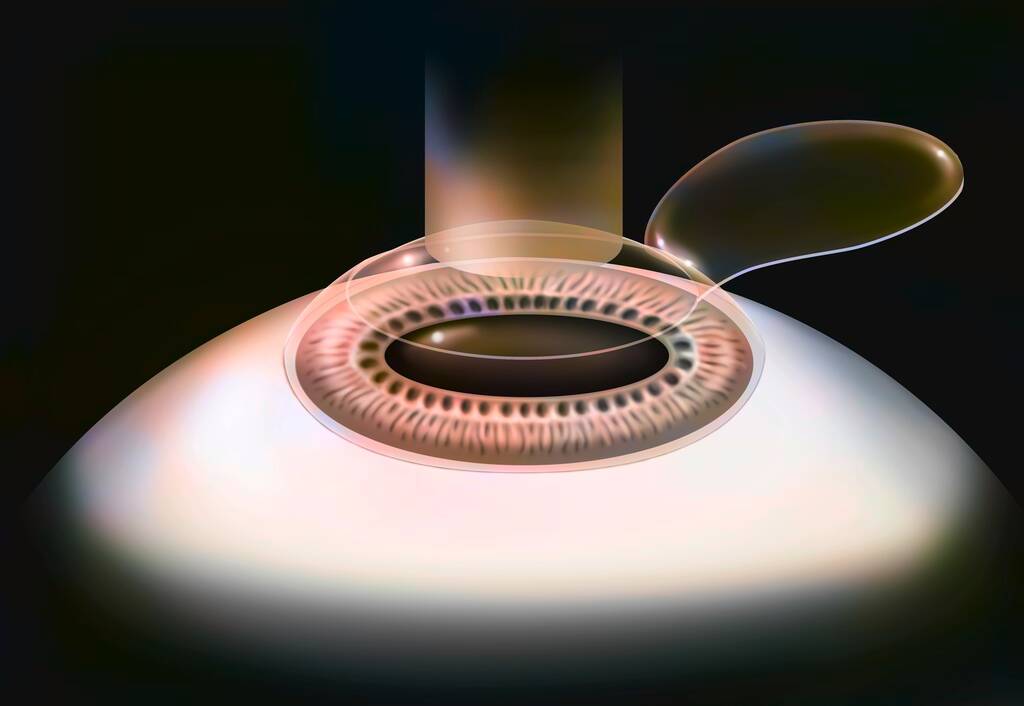
The procedure itself is relatively quick, usually taking less than 30 minutes, and is typically done on an outpatient basis. The patient is given numbing eye drops and a small flap is made in the cornea using a microkeratome or a femtosecond laser. The surgeon then uses a laser to reshape the cornea and the flap is replaced.
The patient is then given eye drops to help with healing and a protective shield is placed over the eye to prevent accidental rubbing or injury.
There are several benefits to having LASIK surgery. The most obvious is the correction of vision problems, which can significantly improve one’s quality of life. Patients no longer have to rely on glasses or contacts to see clearly, which can be especially beneficial for those who have active lifestyles or work in environments where glasses or contacts may be a hindrance.
Additionally, LASIK has a relatively short recovery time. Most patients are able to return to work or normal activities within a day or two, and the full recovery process typically takes about a week. Some patients may experience minor discomfort or blurry vision for a few days following the procedure, but this is generally mild and can be managed with medication or eye drops.