Skip to content

Treatment of hemangioma

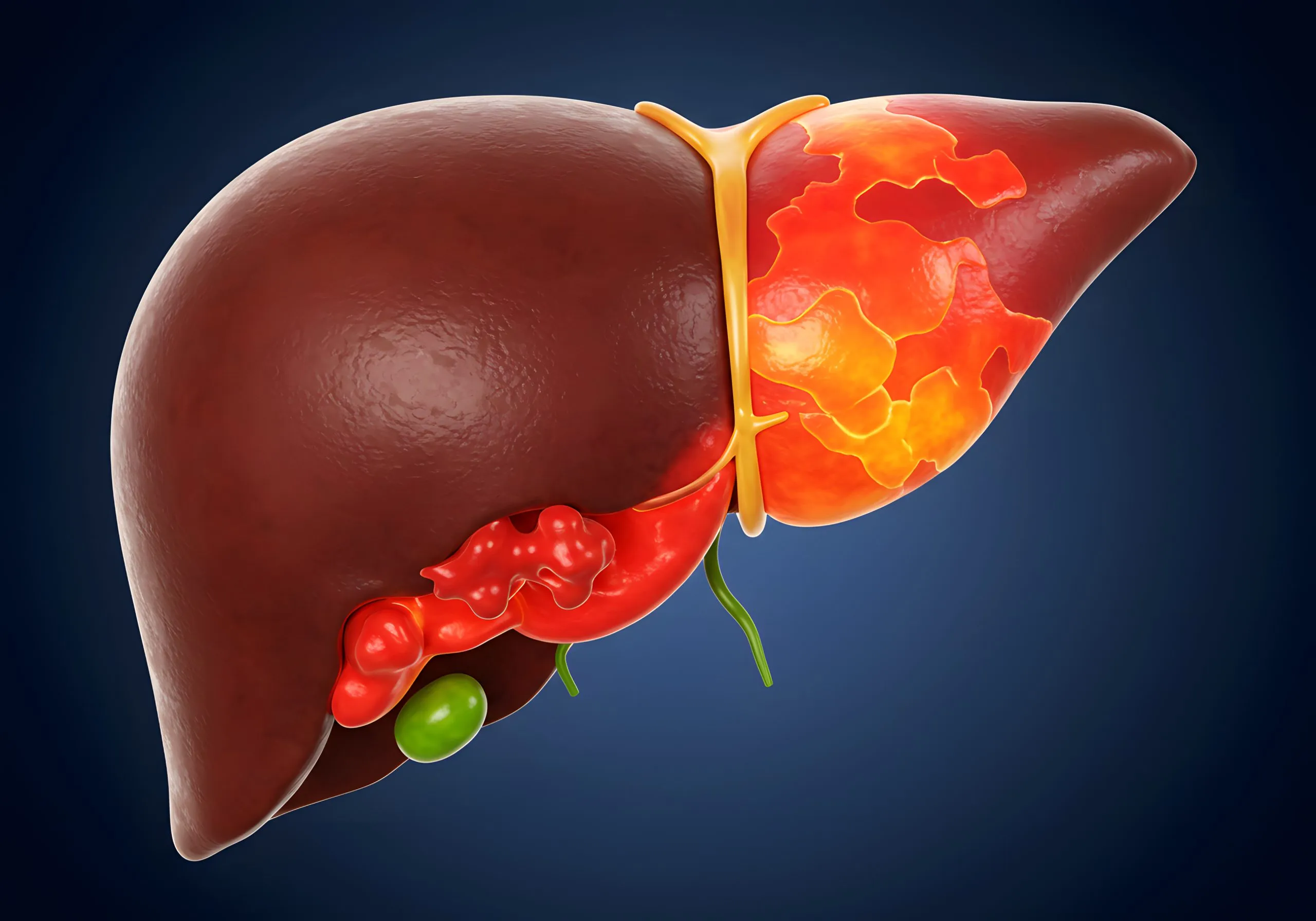
Hemangioma is a natural accidental occurrence, and its treatment is not always needed. In fact, in small hemangiomas with no complications or symptoms, not even follow up is required. However, in some cases, treatment is recommended and in others it is needed:
- If the hemangioma is growing in size, follow-up may be needed in an interval set by your doctor. This can be done using an ultrasound or, more often, a CT scan. Meanwhile, you will be instructed by your doctor to avoid any trauma to your upper abdomen, and if you are practicing a certain sport that involves such trauma, you should cease it for the time being.
- If the hemangioma is large in size, your doctor may choose to operate on it. Operations involving direct removal of the tumor are no longer done due to the risk of bleeding. Instead, you may be referred to an interventional radiologist who will catheterize the blood vessels supplying the hemangioma and then occlude them, a process known as embolization. This can be sufficient in most cases as the hemangioma will rapidly decrease in size and involute. However, in larger ones, surgical removal can be done following embolization.
- If you are unfit for surgery or if you refuse it, medical treatment can be attempted including the use of beta blockers or a new class of drugs called anti-VEGF agents. Both work by preventing the proliferation of the cells forming the hemangioma. Studies have shown that such treatment can improve the condition and potentially shrink the hemangioma. However, it is not recommended to replace surgery with medications unless the patient cannot undergo surgery.
- In women receiving oral contraceptive pills who have a hemangioma, your doctor may advise you to seek another method of contraception as an IUD or condoms. Another option would be to follow-up on the hemangioma to detect whether it grows while on oral contraceptive pills or not and to decide afterwards. Both are viable options, and you can always discuss your concerns with your doctor.
- Pregnant women have an increased risk of complications of their hemangiomas, especially if they are large in size. Surgical treatment is avoided for as long as possible. However, if surgery is indicated, there will be a minimal risk of miscarriage and no risk of fetal harm. Your doctor always bases their decision on the benefits expected from a procedure or a medication versus the risks it may pose, and in all cases they will decide which is best for you.