Skip to content

What are the symptoms you will notice on a patient with hepatitis?
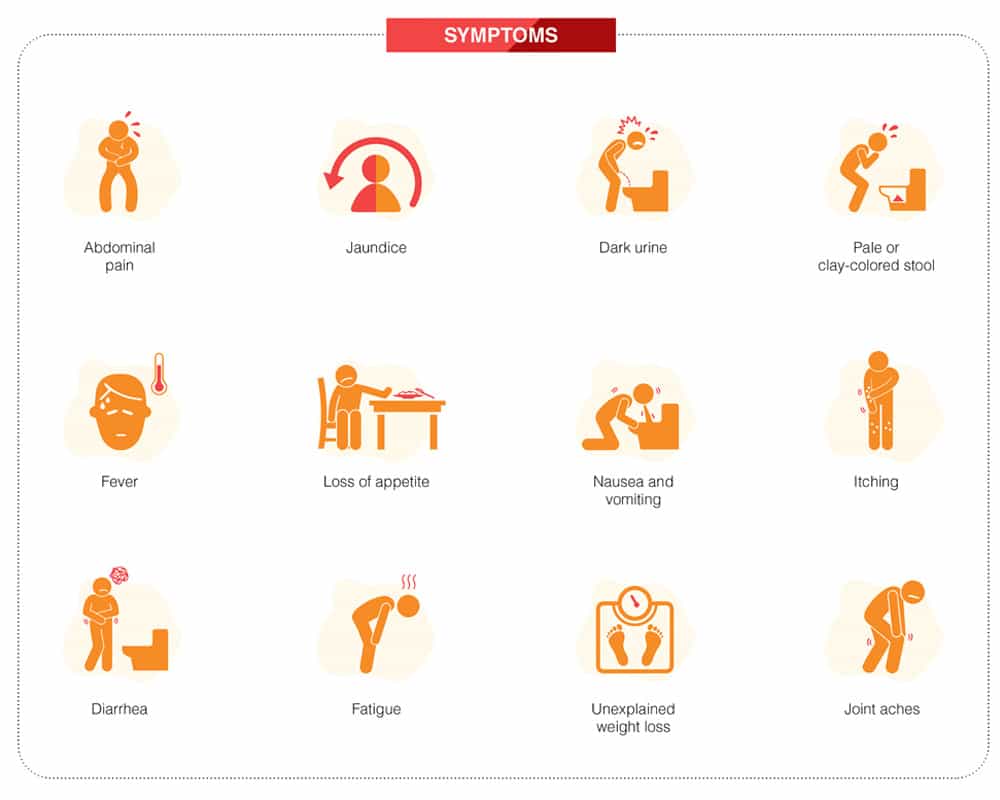
You may not realize that you have acute hepatitis because acute hepatitis often has no noticeable symptoms. The clinical appearance of acute hepatitis occurs as follows:
- Non-icteric hepatitis: fever, headache, malaise, and anorexia
- Icteric hepatitis occurs in three stages: pre-icteric, icteric, and post-icteric.
The pre-icteric stage includes previous symptoms as well as nausea, vomiting, and enlarged tender liver. The icteric phase includes jaundice, dark urine, itchy skin, pale stool, and scleral icterus. In the post-icteric stage, symptoms disappear gradually.
Significant symptoms that indicate a life-threatening condition can include:
- Change in mental status as in lethargy, hallucination, and confusion
- Severe fatigue and severe abdominal pain
- Ankle and knee swelling
- Difficulty walking
- Blood in your vomit or stool
In chronic persistent hepatitis, symptoms disappear. You will discover it accidentally. There is a mildly enlarged liver with no cirrhosis. In chronic active hepatitis, progression to cirrhosis can occur.
Sequelae of liver inflammation:
Complete recovery may occur in:
- All cases of hepatitis A and E
- Many patients with hepatitis B
- Few patients with hepatitis C
Complications
Poor control of liver inflammation may lead to significant complications, such as:
- Relapse (recurrence)
- Acute fulminant hepatitis
- Cholestasis (decreased bile flow due to low secretion by hepatocytes)
- Become a carrier and infects other people
- Essential mixed cryoglobulinemia ( abnormal proteins is present in the blood and inflame the blood vessels)
- Liver fibrosis ( fibrous tissue in the liver that interferes with its normal function)
- Endocrinal disorders, such as diabetes and thyroid dysfunction
- Neurological problems like peripheral neuropathy, encephalitis, and encephalomyelitis
- Pancreatitis
- Liver failure
- Cirrhosis (scarring of the liver)
- Liver cancer