Skip to content
Stages of non-alcoholic fatty liver disease

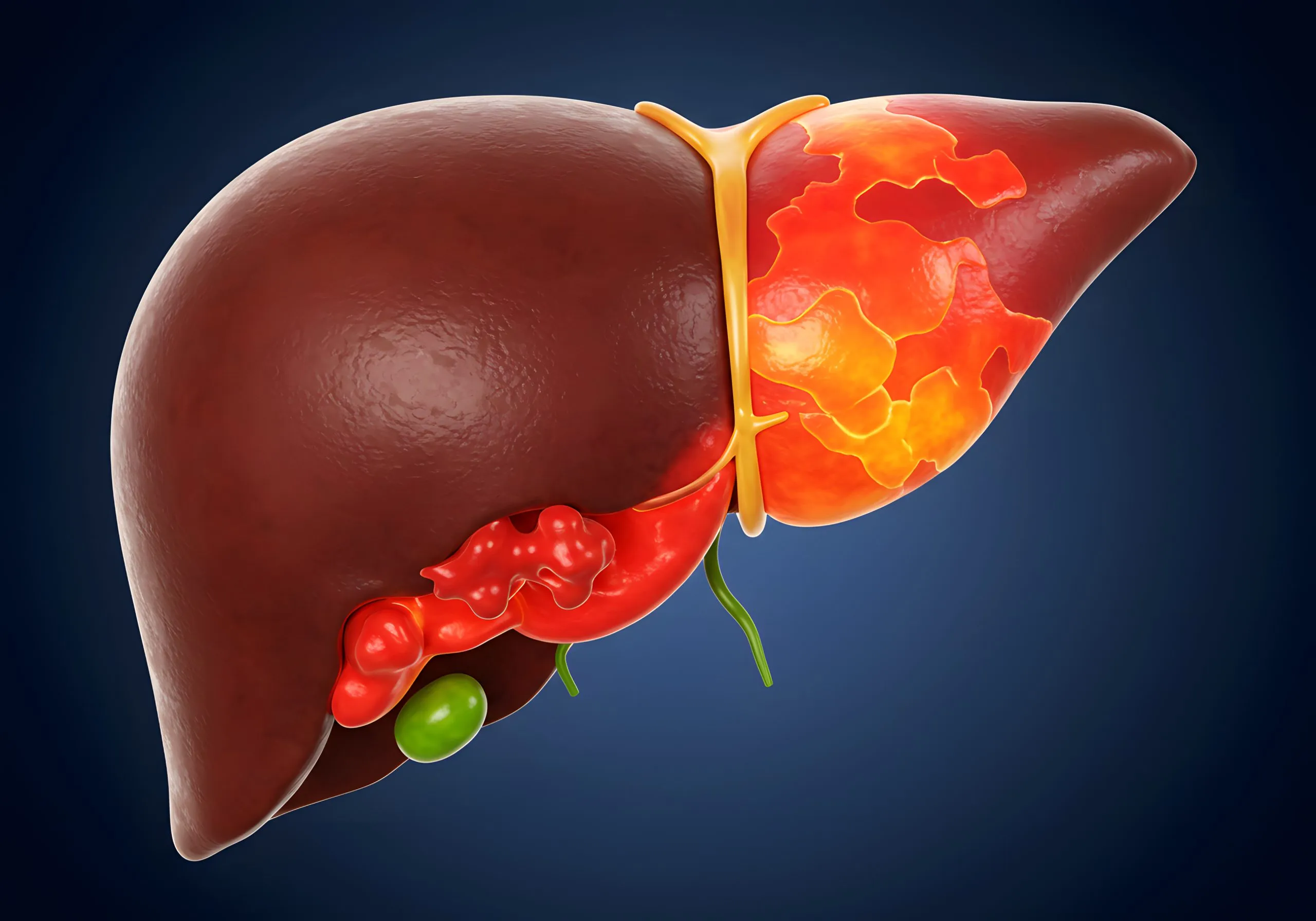
The progression of fatty liver disease from the mild accumulation of fat to full-blown liver disease and failure takes years and sometimes decades. This progression can be divided into 4 stages:
- Stage of simple fatty liver (steatosis): Here, fats accumulate within liver cells without damaging them. This stage can last for years and is reversible with appropriate lifestyle changes.
- Stage of Non-alcoholic steatohepatitis: Here, the accumulation of fat causes inflammation and destruction of liver cells. The destruction is still reversible at this stage since the liver has a remarkable regenerative capacity and can withstand inflammation for months or years in such condition.
- Stage of fibrosis: Here, the liver is unable to keep up with the damage, and scars are formed which replace healthy liver tissue. Signs of liver affection and symptoms may not be apparent here since the liver, even though it cannot replace its lost cells, haven’t lost its capacity to carry out its functions.
- Stage of cirrhosis and liver failure: Here, the liver architecture has been irreversibly changed, and its functions deteriorate rapidly. The end result of cirrhosis is liver failure or liver cancer. In both cases, patients’ quality of life deteriorates, and death becomes the final result unless liver transplantation is carried out.