Skip to content

Diagnosis of NAFLD

Diagnosing NAFLD has become easier nowadays thanks to a large number of lab tests and imaging studies. Your doctor will listen to your complaint and then order some tests to confirm the cause of your illness. Lab tests include:
- Liver function tests
- Bilirubin levels if you complain of jaundice
- Sugar levels if you are diabetic or suspected of having diabetes. Fatty liver disease and diabetes are commonly associated and it is common to detect diabetes for the first time from fatty liver disease
- Full lipid profile to assess the level of cholesterol and triglycerides in your blood. They are commonly elevated in case of fatty liver disease. A full lipid profile also reveals the ratio between the “good: cholesterol or HDL-C and the “bad” cholesterol or LDL-C. Their ratio is the main indicator of the risk of atherosclerosis (a disease where fats deposit within the walls of blood vessels causing their stiffness) and fatty liver disease.
- Viral markers: In case of liver affection, other common causes should be excluded, including viral hepatitis. Viruses B, C, and HIV can be the cause of the ongoing hepatitis.
- Albumin level: In case of chronic liver affection, the levels of some proteins can be reduced including albumin
- Other routine lab tests: Other routine tests may be performed including a full blood count and a coagulation profile. In advanced cases of liver disease, coagulation may be affected.
Besides lab studies, several imaging modalities can help diagnose liver disease including:
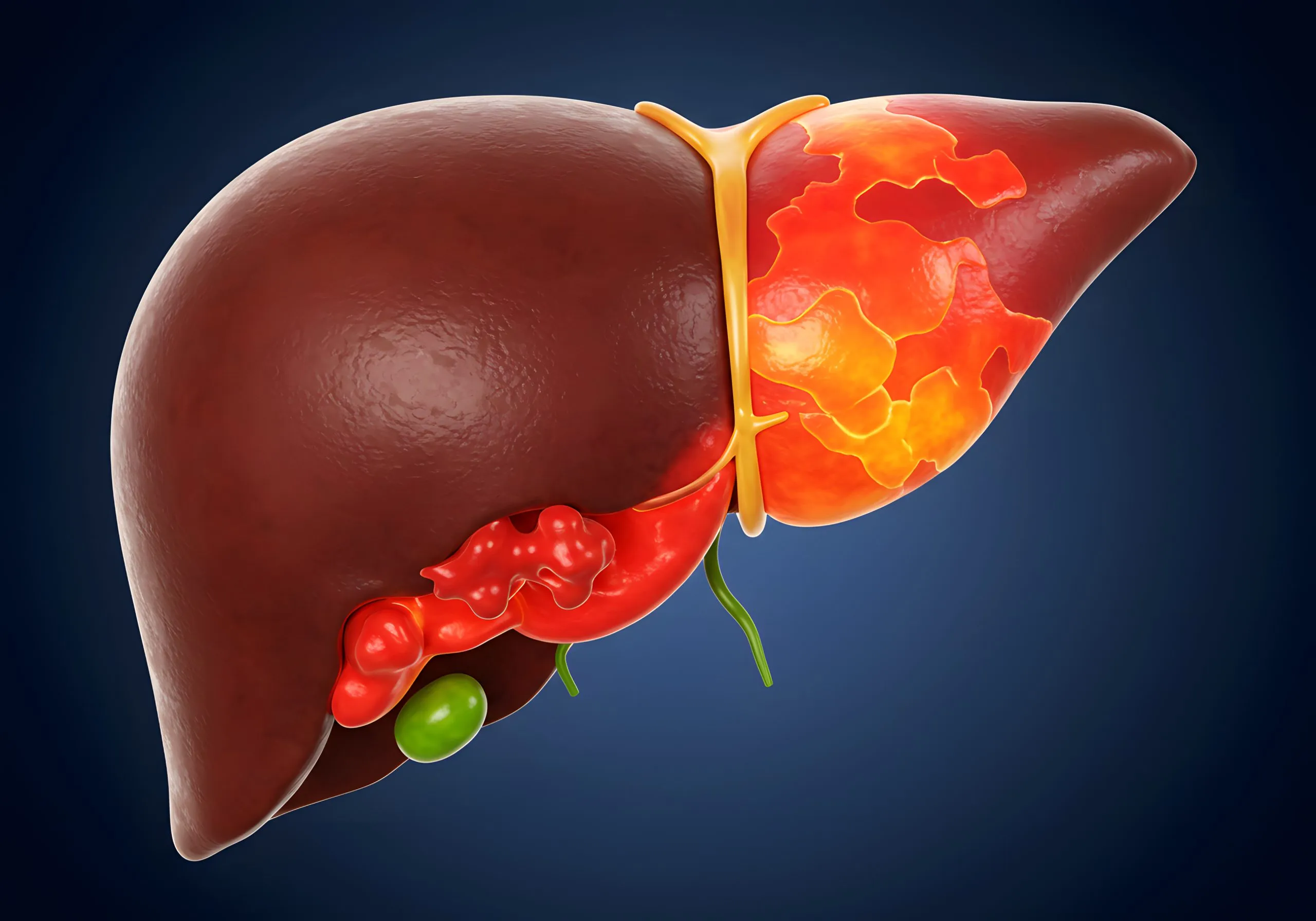
- Ultrasonography: Ultrasonography is the gold standard when it comes to liver disease. It can detect changes in liver architecture as cirrhosis as well as signs of inflammation or gall stones. Gallstones are a common occurrence in patients with fatty liver disease because they occur in those who consume excess fats. A special type of ultrasonography can also be used to detect liver fibrosis called fibroscan.
- MRI scan: Magnetic resonance imaging is used to detect delicate changes of the liver and the accumulation of fat within liver cells.
None of the previous scans or lab tests is specific to fatty liver disease, and despite the fact that many patients are only diagnosed using them, some still need a confirmatory test and that is liver biopsy. Liver biopsy means that a small piece of your liver is taken using a special needle and under local anesthesia to examine under the microscope. It is a harmless procedure with minimal complications and can confirm fatty liver disease in doubtful cases. Special changes under the microscope also determines the stage of non-alcoholic fatty liver disease.