Skip to content
Treatment and prevention
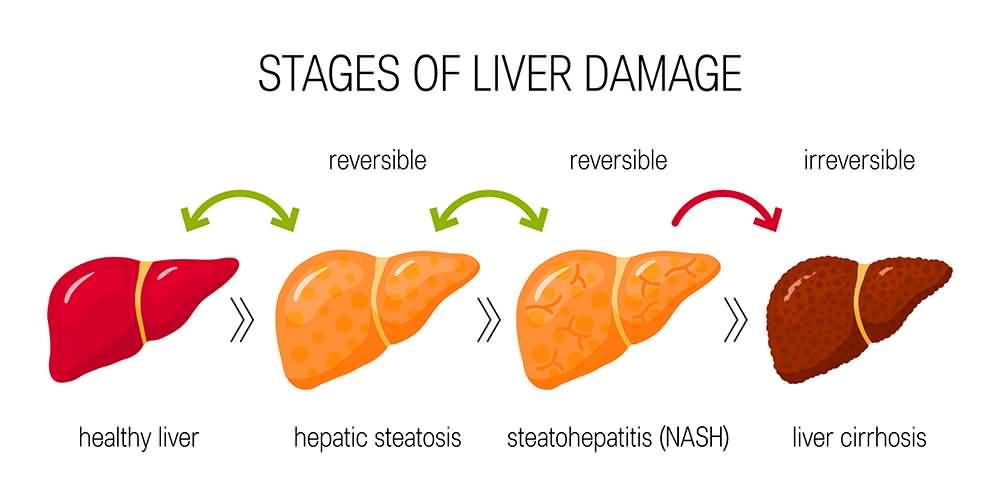
There is no specific treatment for non-alcoholic steatohepatitis, but several measures are taken to reduce the load of fat on the liver and, therefore, prevent the condition as well as other measures to help reduce the inflammation. The main cornerstones of management include lifestyle changes and pharmacological treatment.
Lifestyle changes include reducing the amount of saturated fats in your diet and increasing the amount of healthy fibers and healthy fats including vegetables, fruits, whole grains and fish meat. Red meat is rich in cholesterol which worsens the condition. Also, foods rich in antioxidants can help reduce inflammation. Antioxidants are present in tea, fresh vegetables, olive oil and many other foods readily available. Omega-3 rich food can also help reduce the level of harmful cholesterol and it can be found in fish, nuts and plant oils. Although many people disregard sugar as a source of fatty liver disease, refined sugars remain the largest culprit in such condition. Excessive sugar intake in the form of pastry, chocolate and sweeteners for tea and coffee contribute greatly to elevated cholesterol level in blood. They should be greatly reduced or better abstained from.
Exercise is also greatly underestimated in patients suffering from fatty liver disease. Thirty minutes of exercise can have a substantial effect in reducing the level of fat in your body. If coupled with a healthy diet, exercise can greatly improve the condition of your liver that you may not need any pharmacological treatment nor progress to steatohepatitis. It also protects your heart, your blood vessels and your skeletal system against a multitude of condition and improves your general well-being.
Pharmacological treatment
Non-alcoholic steatohepatitis has no specific pharmacological treatment, but some medications are used to lower cholesterol and reduce inflammation including:
- Statins: They are the most popular lipid-lowering drugs available. They work by decreasing the amount of cholesterol your liver can produce and therefore, reduce cholesterol in your blood which can accumulate later in the liver.
- Omega-3 fatty acids: They can be taken as pills if natural sources are not available.
- Glucophage: Glucophage or metformin is the second most commonly used antidiabetic drug after insulin. It also helps in improving metabolism of the whole body. A growing number of people are taking it for weight loss, but there is no clinical evidence that it helps lose weight. Its action on different tissues helps bring down the level of cholesterol in blood and, therefore, protect and improve fatty liver disease.