
Diagnosing peripheral neuropathy
Diagnosing peripheral neuropathy is challenging, not only for the identification of the condition, but for the diagnosis of the underlying cause in order to tailor treatment. Your doctor will examine your nerves thoroughly through various tests and tools. Some of those tests assess sensation using a special fork, while other assess motion and reflexes using a neurological hammer. Usually, your general practitioner is the one who will perform the examination, and you may be referred to a specialist neurologist afterwards. Your doctor will also order a number of investigations to confirm the condition and its cause. The most commonly ordered lab tests include:
- Complete blood count: A complete blood count is a routine investigation, and although it does not add much to the diagnosis, it can help identify some abnormalities including infection.
- Blood glucose levels: Blood glucose level can be measured both in the fasting state or after meals. It helps diagnose diabetes if the level is above a given threshold in fasting state (140mg/dL). Diabetes is by far the most common cause of peripheral neuropathy worldwide, and the number of years since its diagnosis or onset is directly related to the onset of the disease and its progression.
- Kidney function tests: Serum urea and creatinine are routinely ordered to assess kidney functions in patients with peripheral neuropathy.
- Inflammatory markers: including CRP and ESR, which are not specific but can indicate the presence of inflammation, which can point towards many diseases.
- Markers of autoimmune diseases: Some autoimmune diseases can cause peripheral neuropathy including systemic lupus and rheumatoid arthritis. They can be detected by lab investigations including anti ds-DNA and anti-nuclear antibodies.
- Viral markers: Some viral markers can indicate infections including HIV antibodies and Hepatitis C RNA.
- Vitamin B12 and folic acid levels in blood.
- Genetic testing: Genetic testing may be needed to detect the presence of hereditary peripheral neuropathy.
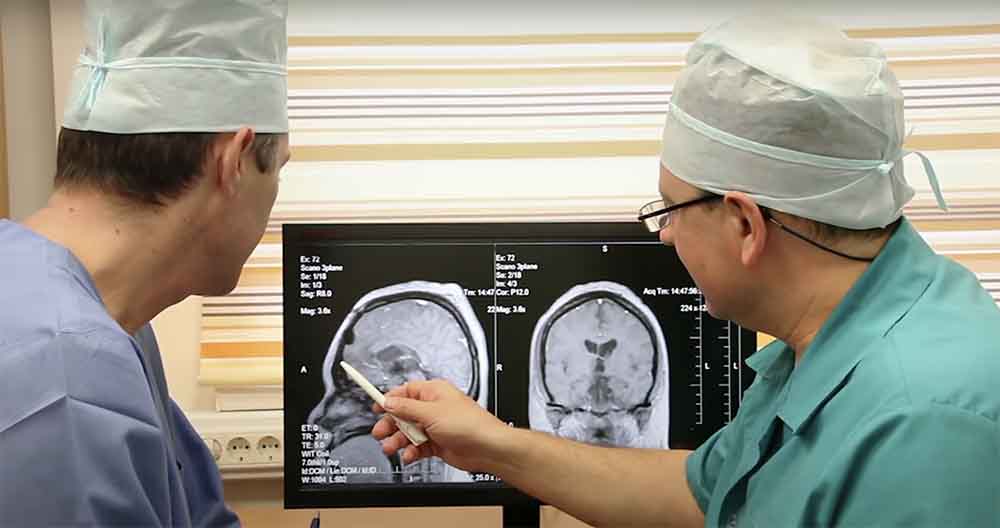
In addition, some imaging studies may be required to assess the central nervous system and for causes related to peripheral neuropathy rather than the peripheral neuropathy itself. Imaging studies include MRI and CT scanning.
The study that is most needed in peripheral neuropathy is what we call an electromyography, which is an electrophysiological study of the conduction of electricity across nerves. In peripheral neuropathy, such conduction is impaired. Such study can almost definitely tell when something is wrong with a nerve, but it cannot tell the cause of such abnormality, and that is where the other studies have a role.