Skip to content
Risk Factors
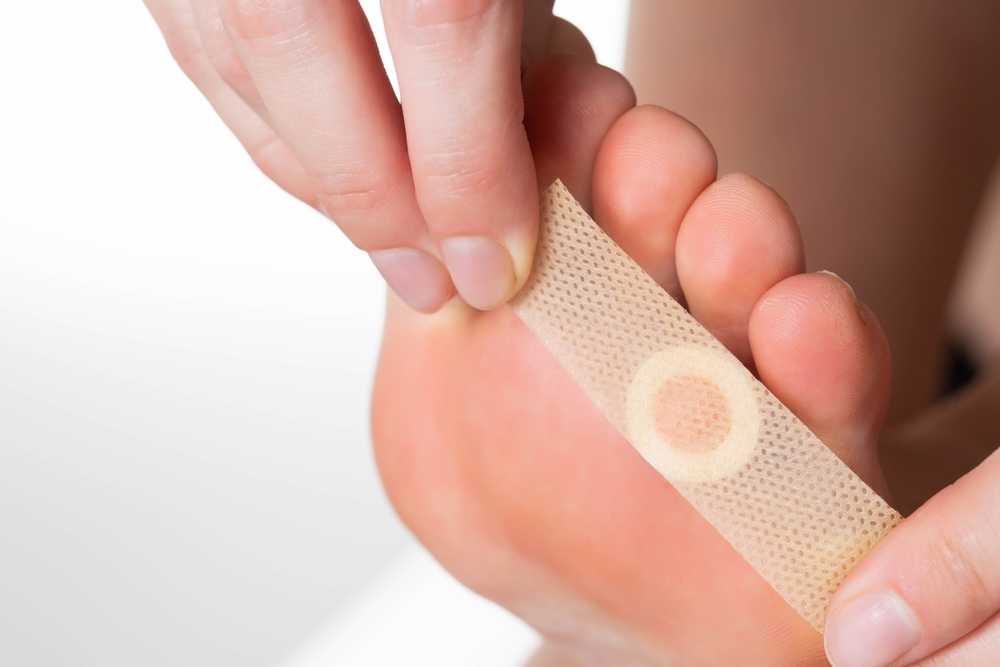
Risk factors increase your risk of getting infected with HPV and plantar warts and vary with sex, age, race, immune status, environment, personal hygiene, activities, and socioeconomic status.
- Sex: plantar warts exhibit greater incidence in girls as compared to men. Females have an increased lifetime risk of plantar warts
- Age: plantar warts are not common in children that are aged less than 5 years old. The children aged more than 5 years old and adults are most infected with plantar warts. People aged 12-16 years old are at the highest risk.
- Immune system: there is an increased risk of plantar warts in patients with compromised immune systems.
- Race: plantar warts are more common in white people
- Environment: if you have close contact with the infected patients (classmates, colleagues, family members) if you live in a warm and moist environment
- Activities: Walking barefoot using common bathrooms, public swimming pools, and pedicure procedures with unsensitized tools. Hygiene sharing dirty shoes, socks, and personal products, using nail filer or pumice stone used by the people infected with plantar warts. They use socks without washing them, wear no protective footwear in common bathrooms, poorly ventilated footwear, and poor personal hygiene.