Skip to content

Symptoms of PSC

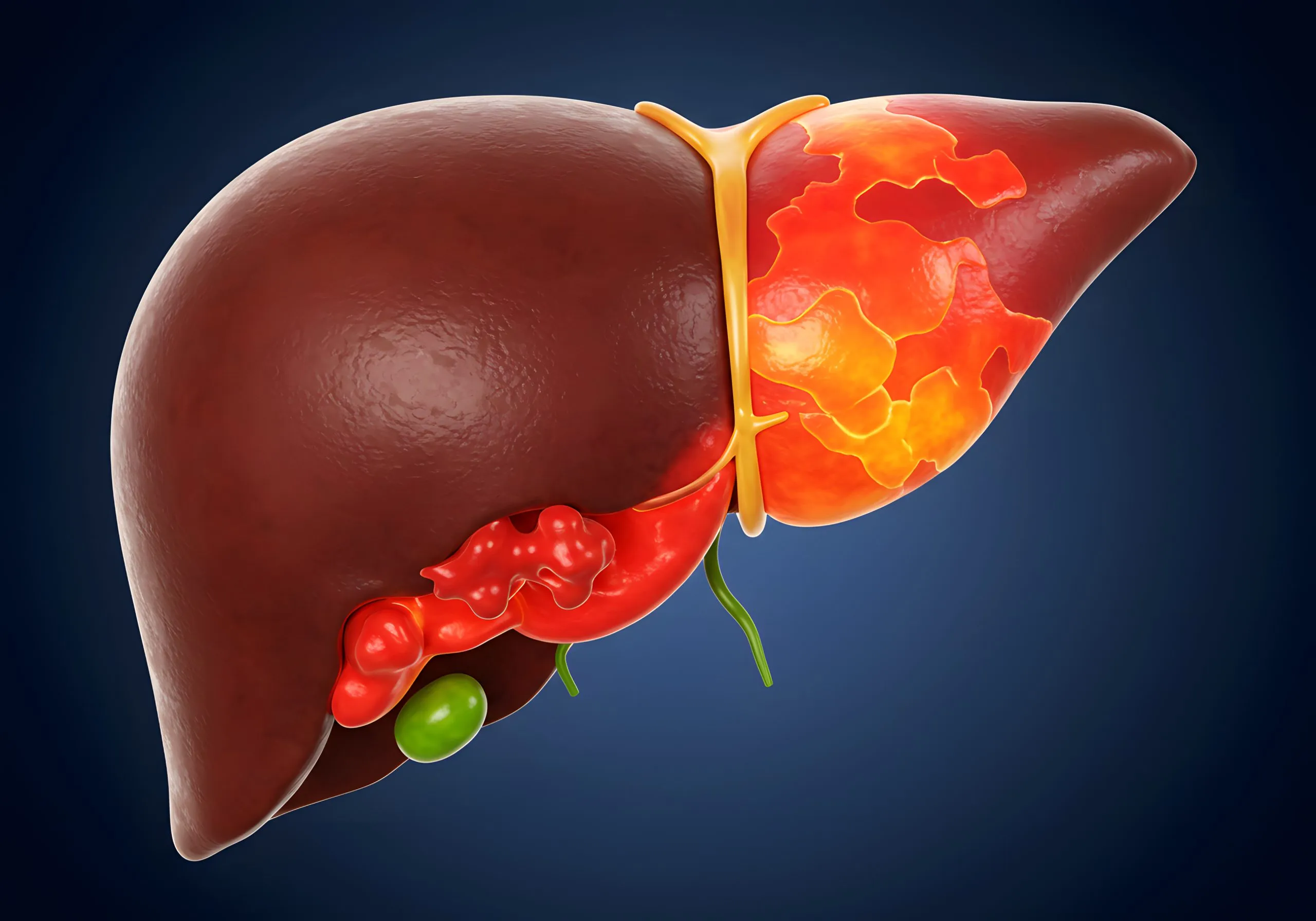
About 50% of patients don’t have symptoms and discover their disease due to abnormal liver function tests during routine tests or investigating another health problem. PSC gives manifestations due to the following causes:
- The bile will accumulate in the liver and damage it.
- This retained bile represents a suitable medium for infections and gall stones formation.
- This bile also can’t do its function in the intestine.
The early manifestations include:
- Itchy skin (Pruritis)
- Fatigue (Tiredness)
- Jaundice (Yellowish discoloration of skin, sclera, and mucus membranes)
- Abdominal pain in the right upper quadrant
As the disease progresses, repeated infections occur, and more symptoms develop, such as:
- Fever
- Chills
- Night sweats
- Weight loss
Also, with the disease progression, you will experience more severe manifestations (complications) because the liver can’t maintain its functions, and your body can’t absorb essential vitamins.
These complications include that:
- Jaundice deepens.
- The liver and spleen enlarge (Hepatosplenomegaly).
- Ascites (fluid accumulation in the peritoneal cavity) leads to abdominal distention and discomfort.
- Edema (swelling) in the lower limbs
- Esophageal varices may occur due to portal hypertension and lead to life-threatening bleeding, which needs urgent medical care.
- Disturbed mental functions (hepatic encephalopathy) because the liver can’t do its detoxification function
- Fat malabsorption: Your body can’t digest fats that pass into the stool, which causes steatorrhea.
- Deficient fat-soluble vitamins (A, D, E, and K): Vitamin-D deficiency causes osteoporosis, which means that your bones are thin and liable to repeated fractures. Vitamin-K deficiency causes bleeding tendency because some coagulation factors depend on it to function. Also, liver failure affects the synthesis of some coagulation factors and causes bleeding problems. Vitamin-A deficiency causes vision problems, such as night blindness.
- Cancer of gall bladder and bile ducts: Patients with PSC are at high risk of having these cancers.
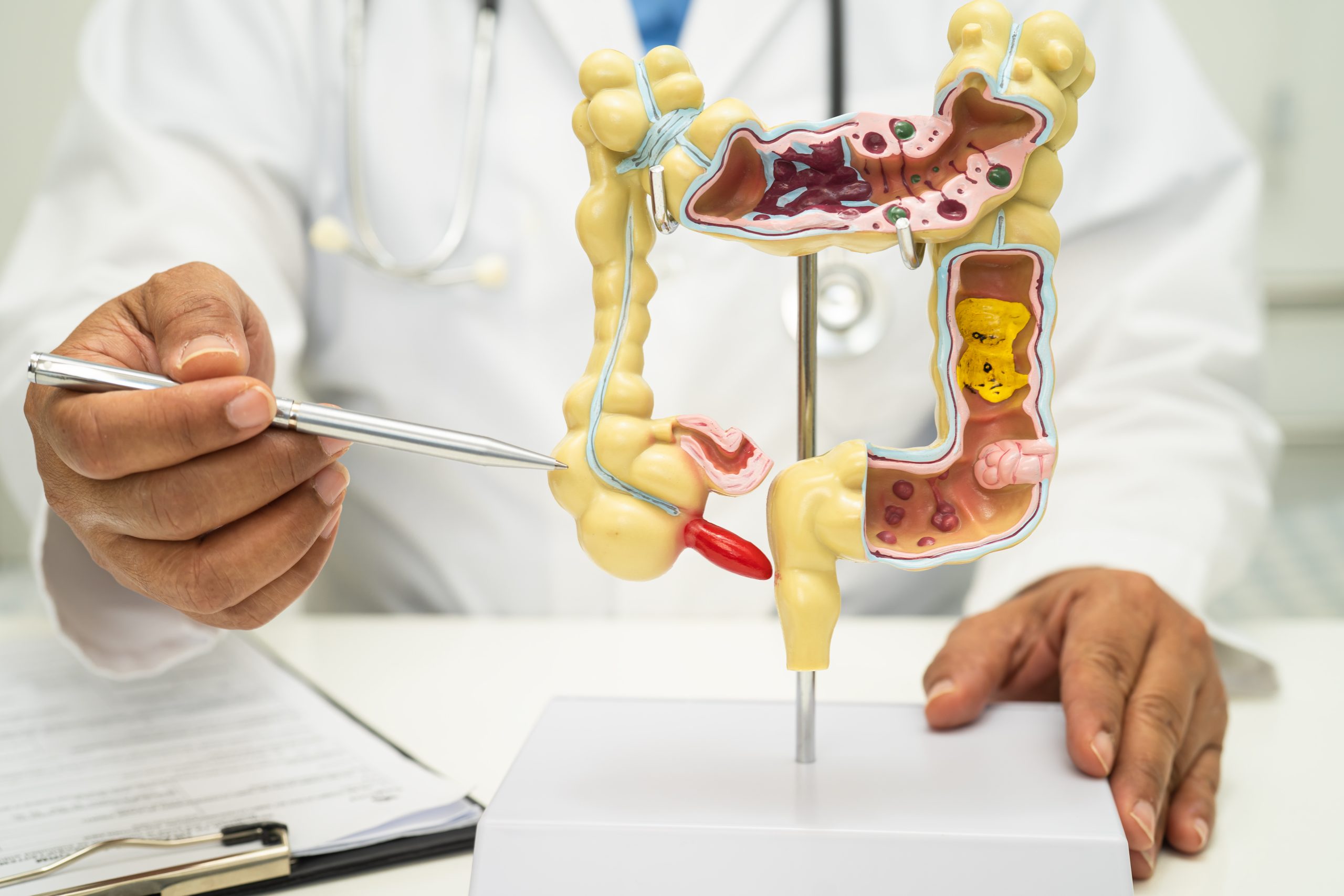
- Colorectal cancer: Patients with PSC are also at high risk of colorectal cancer due to the association with inflammatory bowel disease.
Now, let’s see how your doctor will diagnose and treat you if you have PSC.