
When is a prothrombin time test ordered?

Doctors commonly use prothrombin time tests to evaluate the clotting function of the patient. In these cases, it should be compared with partial thromboplastin time and other blood tests. Prothrombin time should be ordered in any patient who has signs of bleeding disorders, especially in spontaneous bleeding cases.
Symptoms such as nosebleeds, bleeding gums, easy bruising, or unexplained bleeding events should be evaluated with prothrombin time. When doctors detect blood clots in arteries or veins, and in case of disseminated intravascular coagulation, the prothrombin time is essential to find out the nature of the problem. Patients receiving warfarin or any other anticoagulant drug should also monitor their blood clotting function with prothrombin time tests.
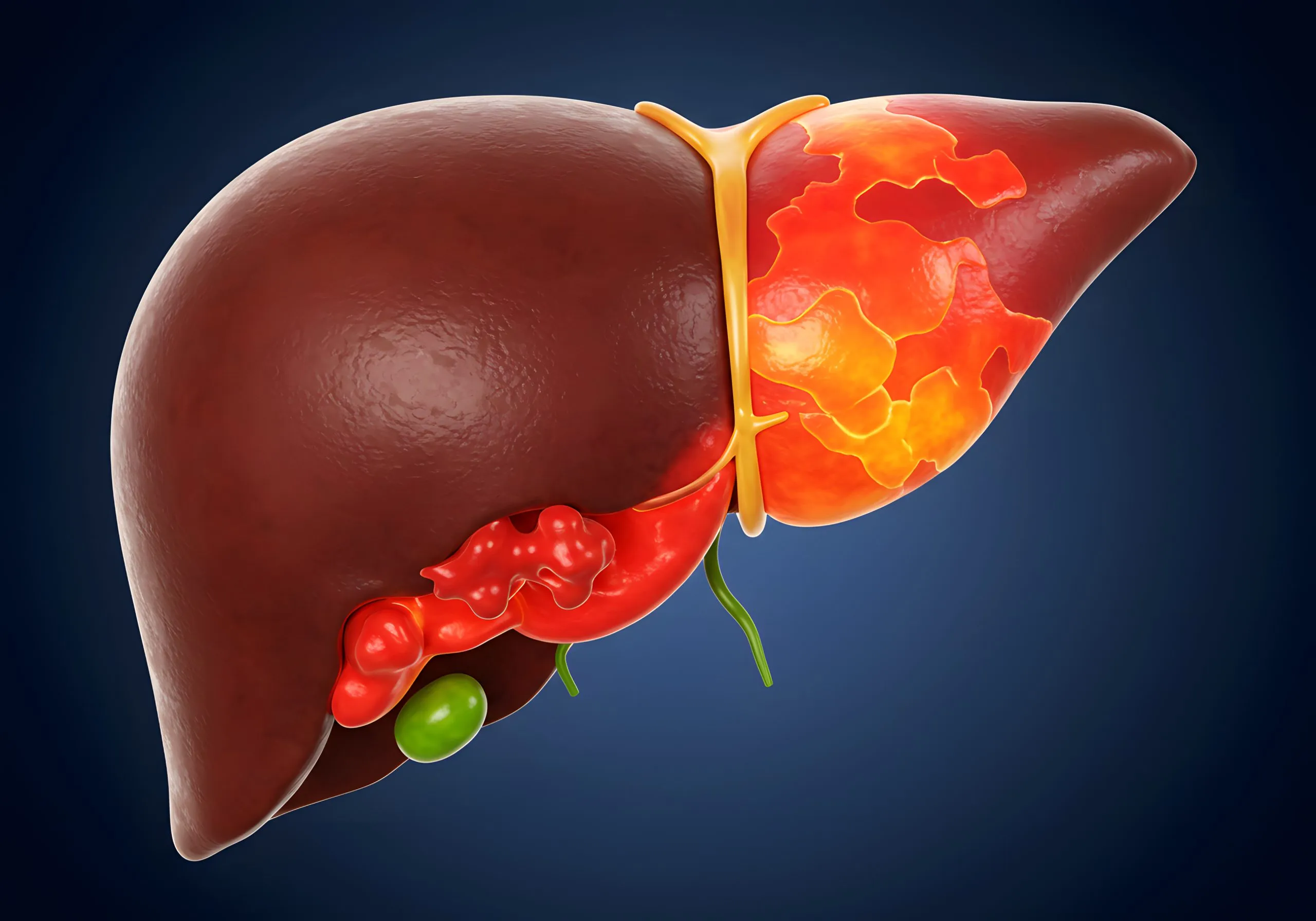
In liver disease, the prothrombin time is critical to evaluate the synthetic function of the liver. In other words, it tells doctors that the liver is not performing its work to synthesize new coagulation factors. This happens in cases of severe liver disease, especially in cirrhosis and certain forms of hepatitis virus.