Skip to content

Diagnosing Reye syndrome

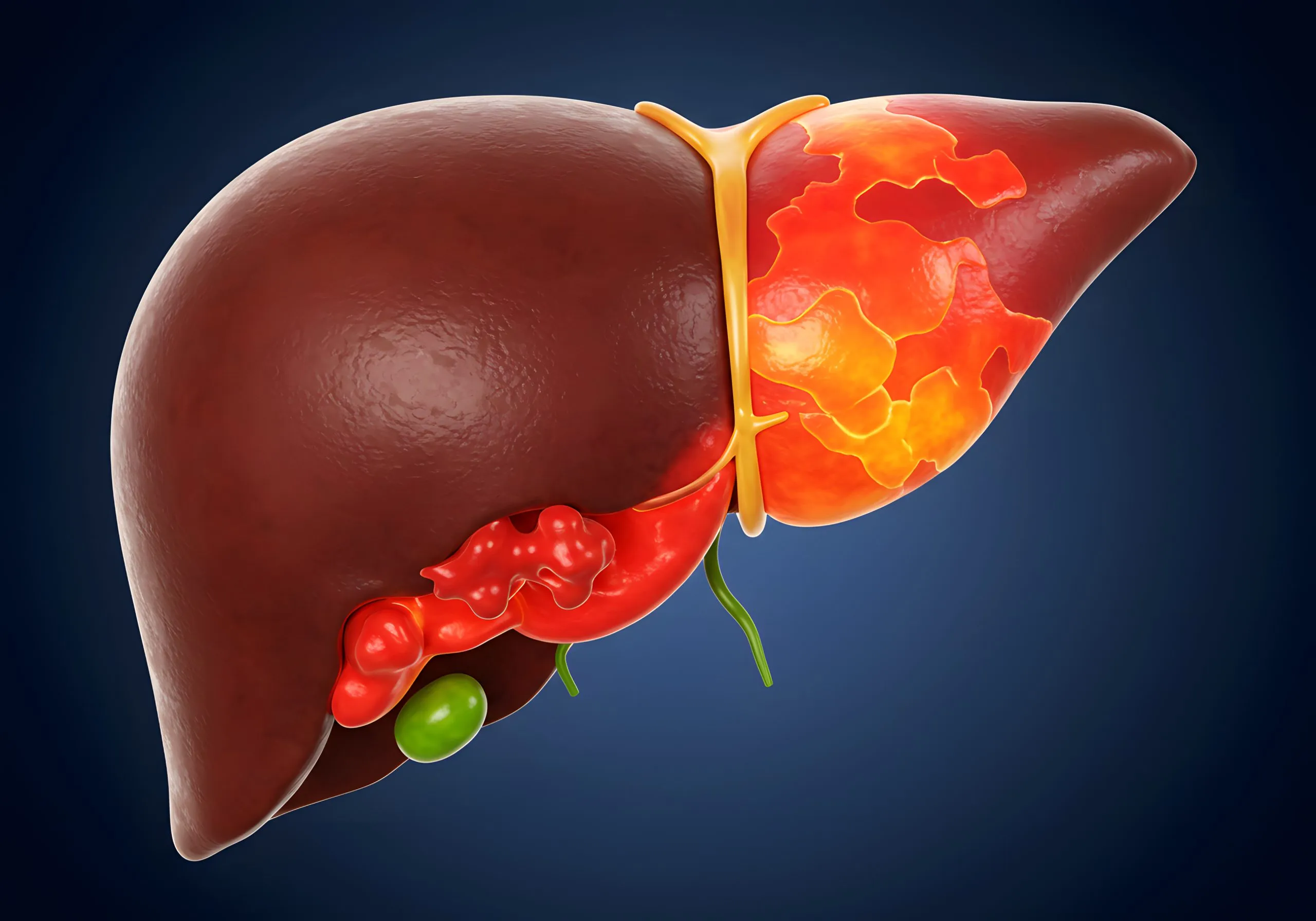
Your doctor will first listen to your complaints and ask you a few questions regarding when it started and how severe your symptoms are as well as well as your medication history. Afterwards, they will perform a thorough physical examination looking for a cause. Abdominal examination can show liver enlargement and a complete neurological examination is also essential. After that, they may order some investigations especially some lab tests. Lab tests include:
- Ammonia level in blood: The main link between liver disease and brain dysfunction is the rising levels of ammonia, which is normally processed by the liver. A rising ammonia level with the above-mentioned symptoms is highly suggestive of Reye syndrome.
- Liver function tests: Liver function tests include liver enzymes, which rise in acute liver injury and can give an indication as to what caused the current neurological problem. Another test that reflects liver function is prothrombin time (PT), which measures the activity of a protein called prothrombin produced by the liver to help the blood coagulate.
- Bilirubin level: Bilirubin is a product of liver function that excretes fats and other substances. Its level in the blood rises when the liver is damaged. It rises rapidly and excessively in viral hepatitis, but is rarely higher than 1.5 times the normal range is Reye syndrome.
- Viral markers: One of the commonest causes of liver disease is viral hepatitis. Viral hepatitis can be diagnosed using viral markers such as HBsAg, Hepatitis A IgM and HCV RNA. They are proteins, nucleic acids or antibodies indicating that their respective viruses are present in the blood.
- CSF analysis: The cerebrospinal fluid is the fluid surrounding the brain, and its analysis can help in the diagnosis of many neurological conditions. In the case of Reye syndrome, it should be normal, and any abnormality indicated that another disease may be the cause of the current condition.
- Other routine tests: Other routine tests may be done to evaluate the condition of the patient including a CBC, an arterial gas analysis, glucose level, and urine analysis.
Other studies such as imaging and EEG may be done. CT scanning can show some changes including swelling of the brain and the EEG can show some abnormalities, but neither is specific to Reye syndrome. Based on the above, it is easy to assume that Reye syndrome is mainly diagnosed clinically with some lab tests to confirm the diagnosis or suggest a different one.
One of the most challenging aspects of diagnosing Reye syndrome is the wide variety of conditions that present similarly. They include:
- Some neurological conditions such as meningitis and intracranial hemorrhage. Both of which are severe and life-threatening. Fortunately, however, both can be diagnosed using imaging and CSF analysis.
- Drug overdose especially antidepressants and illicit drugs.
- Other diseases of the liver such as viral hepatitis. Both conditions present similarly, and viral hepatitis can cause neurological symptoms, too if it is severe enough. However, it can be easily diagnosed or excluded using viral markers.