Skip to content
2) Spinal Stenosis & Degenerative Disk Damage

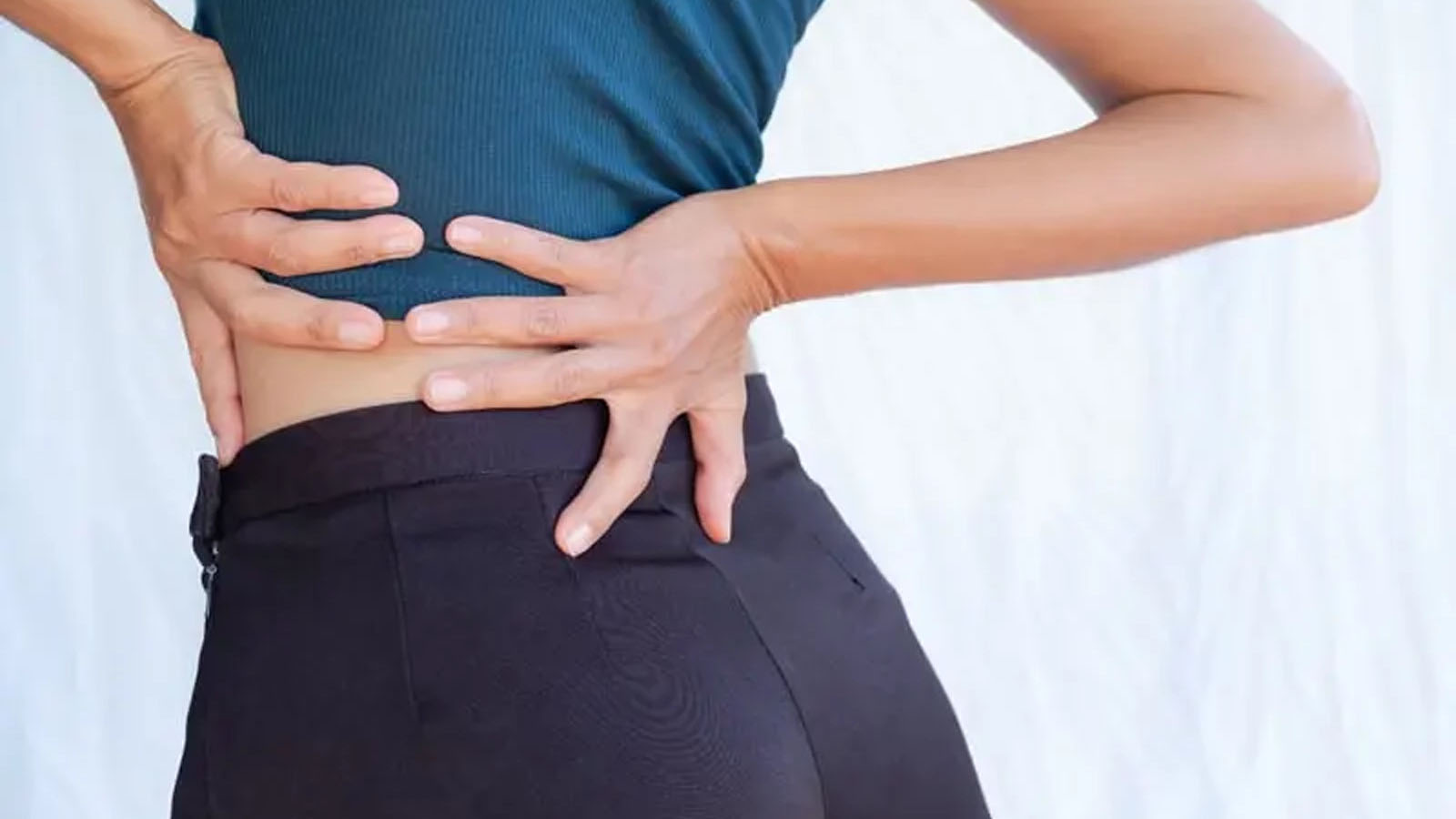
Spinal stenosis and degenerative disc damage are two distinct yet interconnected conditions that can lead to back pain and other symptoms. Let’s explore each condition individually:
Spinal Stenosis: Spinal stenosis is a condition characterized by the narrowing of the spaces within the spine, which can put pressure on the spinal cord and the nerves that travel through the spine. This narrowing typically occurs in the spinal canal or the neural foramina (small openings between vertebrae through which nerves exit the spine). There are two main types of spinal stenosis:
- Lumbar Spinal Stenosis: This occurs in the lower back and is the most common form. It can result in pain, numbness, or weakness in the lower back, buttocks, and legs. Walking or standing for extended periods often worsens the symptoms, while sitting or leaning forward may provide relief.
- Cervical Spinal Stenosis: This affects the neck area and can cause pain, numbness, or weakness in the neck, shoulders, arms, and hands. It may also lead to balance issues and difficulty with fine motor skills.
Degenerative Disc Disease: Degenerative disc disease is not actually a disease but a term used to describe the gradual wear and tear on the spinal discs over time. These discs act as cushions between the vertebrae, providing flexibility and shock absorption to the spine. As we age, the discs can lose water content, become thinner, and lose some of their ability to absorb shock. This process can lead to various symptoms:
- Pain: Degenerative discs can lead to localized or radiating pain, depending on their location. The pain can vary from mild discomfort to more severe pain.
- Reduced Mobility: As discs lose their height and elasticity, it can affect the spine’s ability to move smoothly, potentially leading to stiffness and reduced flexibility.
- Nerve Compression: In some cases, degenerative discs can press on nerves, causing pain, numbness, tingling, or weakness in the arms or legs. This condition is sometimes referred to as a “pinched nerve.”
Both spinal stenosis and degenerative disc damage are often related to the natural aging process and can result in similar symptoms, including back pain, radiating pain, and discomfort. However, it’s important to note that they have distinct underlying causes. While there’s no cure for either condition, various treatments can help manage the symptoms and improve quality of life. These treatments may include physical therapy, pain medications, exercise, lifestyle modifications, and in severe cases, surgical interventions.
If you’re experiencing persistent back pain, radiating pain, or other symptoms, it’s advisable to consult a healthcare professional for an accurate diagnosis and appropriate treatment recommendations tailored to your specific condition.