Skip to content
- Written by: Martin Davis, Health Editor
Reviewed by: A2ZHealthy Editorial Team
Last Updated: January 26, 2026
Diabetes is a long-term condition in which the body can’t properly use or make insulin, causing elevated blood sugar levels and potentially leading to serious health problems if left unmanaged. According to the NIH and CDC, type 1, type 2, and gestational diabetes are the most common forms of the disease. NIDDK+1
Diabetes, a chronic metabolic disorder, affects millions of individuals worldwide. Understanding the symptoms of diabetes is crucial for early detection and effective management.
Whether you’re at risk due to genetics, lifestyle, or other factors, recognizing these symptoms can lead to timely intervention and an improved quality of life.
Diabetes is a fatal disease and it can lead to serious health complications like high blood pressure, heart diseases, nerve damage and neuropathy (nerve pain), kidney disease, and stroke. According to the CDC, 40% of the American population has diabetes and 22% of them even don’t realize the disease until its more advanced stages.
Symptoms of diabetes
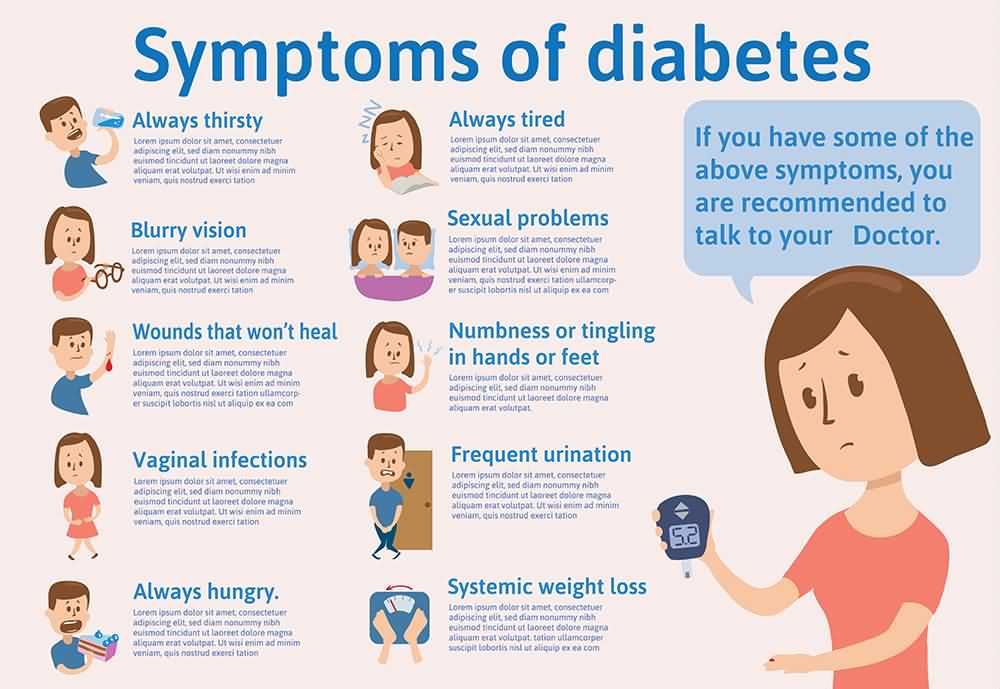
1. Frequent Urination

A significant increase in the frequency of passing urine is one of the earliest and most common symptoms of diabetes. The average adult typically urinates about 4–7 times within a 24-hour period. Urinating more frequently than usual — especially waking up multiple times at night to urinate despite emptying the bladder before bed — is a well-recognized warning sign associated with elevated blood glucose levels.
(National Institute of Diabetes and Digestive and Kidney Diseases; Centers for Disease Control and Prevention)
2. Excessive Thirst

Drinking plenty of water and other beverages throughout the day and even overnight is also a glaring symptom of diabetes. Intake of fluids can be something like 1 gallon (approximately 4 liters) or more per day in a pre-diabetic person. Another problem is that you won’t feel hydrated and refreshed immediately after drinking a fluid, a thing that urges you to drink more and more fluids. The more you drink, the more you pee!
The reason behind this is: The kidneys activate the thirst center in the brain due to excess excretion of fluids and electrolytes through urine. The more you urinate, the more your body requires water to carry out normal functions in the body.
3. Always Hungry

When you have diabetes or you are in the process of developing it, you may experience an insatiable appetite. You have constant cravings for both healthy and not-so-healthy foods. Even if you have a mouthful of food, your brain is constantly telling you to eat more and more.
Reasoning: Inability of diabetics to self-regulate their sugar leads to significant fluctuations in the levels of blood glucose. When these levels fall rapidly, your brain receives “low-glucose” signals from the body and thus responds by activating the hunger center.
4. Unintentional and Rapid Weight Loss

The rapid and unexpected weight loss from 11-22 lbs (about 5-10 kg) in a matter of weeks to a few months is another obvious and early sign of diabetes. You are more prone to lose body weight if you have type 1 diabetes. It is due to the fact that sugar metabolism can shut down quickly in type 1 diabetic people.
But Why? Secondary to low glucose (energy) levels in the blood, the body considers itself in a starving position and responds by metabolizing muscle proteins to provide a new source of energy to the cells. This leads to muscle wasting and in turn unintentional and rapid weight loss.
5. Unusual Fatigue

Poor regulation of high sugar levels in the blood will leave you feeling lazy and tired. Your muscles are deprived of energy and you may feel too weak or extremely fatigued to carry out regular everyday activities.
How So? Glucose is unable to enter the body cells secondary to high insulin resistance due to which your muscles literally have less energy to function actively. Your body is additionally breaking down muscle protein to use it as an alternate source of energy. Coupled with poor sleep, both these factors are responsible for easy fatigability.
6. Tingling or Numbness in Hands or Feet

Numbness or tingling sensations in the extremities are common and an early sign of diabetes. It first appears as a numb hand, foot, or any limb in the morning after you wake up. In later stages, it may progress to feel like a burning sensation.
This happens because: Lingering sugar in the blood causes damage to nerves and nerve endings in the hands and feet. More importantly, reduced circulation in the tips of extremities due to narrowed blood vessels and long distances from the heart causes poor repair processes in the nerves. Both factors contribute to tingling and numbness in the hands and feet.
7. Blurred Vision and Eye Floaters

High sugar levels in the blood cause damage to the thin arteries of the eyes and result in distorted and blurred vision. Another common symptom of diabetes includes seeing “floaters” in front of the eyes.
The reason behind this: Blurred vision is secondary to damaged blood vessels of the eyes. Additionally, excess sugar in the blood pulls fluid out of the lens resulting in swelling and decreased ability to focus.
8. Itchy or Dry Skin

High sugar levels in the blood and hormone disruption (insulin resistance) are the leading causes of overly itchy or irritated skin in diabetic patients. In advanced stages, your skin may even start to darken around neck folds and armpits, a condition known as Acanthosis Nigricans.
It can be due to excessive fluid loss through the kidneys or poor circulation of blood towards the skin. Insulin resistance may also play its role in darkening the skin.
9. Slow Healing Wounds

Slow wound healing is one of the most troublesome symptoms of diabetes. It is not uncommon for a diabetic person to get a cut or bruise that just doesn’t heal. Extremities are more commonly involved in delayed healing due to long distances from the heart and poor circulation of blood.
The reason behind this is: High levels of sugar in the blood begin to damage and constrict blood vessels, which restricts circulation. A reduced flow of blood towards the damaged skin area results in delayed healing.
10. Yeast Infections

Both diabetic men and women are more prone to getting yeast infections. Yeast can infect moist and warm areas of your body such as under the breast, axilla, and groin areas.
The reason behind this: Like humans, yeast also feeds on glucose; therefore, high levels of glucose in a diabetic patient provide fertile soil for yeast invasion and growth.
Decreased Sex Drive and Erectile Dysfunction

Men with diabetes experience male-specific sexual and urogenital problems. Decreased sexual drive, impotence, and ED or inability to either get or maintain an erection long enough to have pleasurable intercourse are some of the common and early urogenital symptoms of diabetes. Diabetic men experience these symptoms at earlier ages and more often compared to those who don’t have diabetes.
How So? Diabetes causes low production of testosterone, the male sex hormone responsible for libido, erection, and other related functions. Lack of energy along with depression in diabetes can also affect men psychologically.
Retrograde Ejaculation

Retrograde ejaculation or production of a reduced amount of seminal fluid is another common diabetes-related sexual symptom in men. It is a term used to describe a condition in which seminal fluid flows retrogradely into the bladder rather than coming out of the body through the urethra.
The reasoning: High levels of sugar in the blood result in damage to the blood vessels and nerves that control the muscles of the urethra and bladder, which leads to this problem.
Urinary Tract Infections

There is a higher risk of urinary tract infections in women with diabetes. Diabetes lets infection-causing bacteria enter and colonize the urinary tract resulting in fever, painful and burning urination, and sometimes bloody urine.
The reason behind this is: Poor blood circulation towards genital organs, high blood sugar levels, and weak immune system are all underlying causes of frequent and recurrent UTIs in women.
Nausea and Vomiting

Diabetes can make you feel sick to your stomach resulting in increased episodes of vomiting and nausea. This is particularly common in type 1 diabetes and pregnant women.
The reason behind this is: Lack of energy diverts your body’s metabolism from consuming glucose to fats, which results in the production of ketones. Excess ketones in your blood can upset your stomach and causes nausea and vomiting.
Headaches

Headaches can have a number of underlying causes. If you are getting frequent headaches that are becoming more severe over time, consider consulting your doctor for an evaluation of diabetes.
The reason behind this: Damage and narrowing of the brain arteries secondary to elevated blood sugar levels is the most probable cause of frequent headaches in diabetes.
Read Also: 12 Warning Signs of Diabetes Type 2 You Should Not Ignore.
References:
- Water & nutrition. U.S. Centers for Disease Control and Prevention. https://www.cdc.gov/healthywater/drinking/nutrition/index.html. Accessed Oct. 2, 2020.