Skip to content

Prevention & diagnosis

We should start by saying that hepatitis C has no current vaccine in circulation. We can prevent hepatitis C by avoiding high-risk sexual behaviors, attending sexually-transmitted diseases, and practicing safe sex. On the other hand, doctors can prevent hepatitis C spread by testing blood before administering transfusions to a patient, which is routinely done in any medical institution.
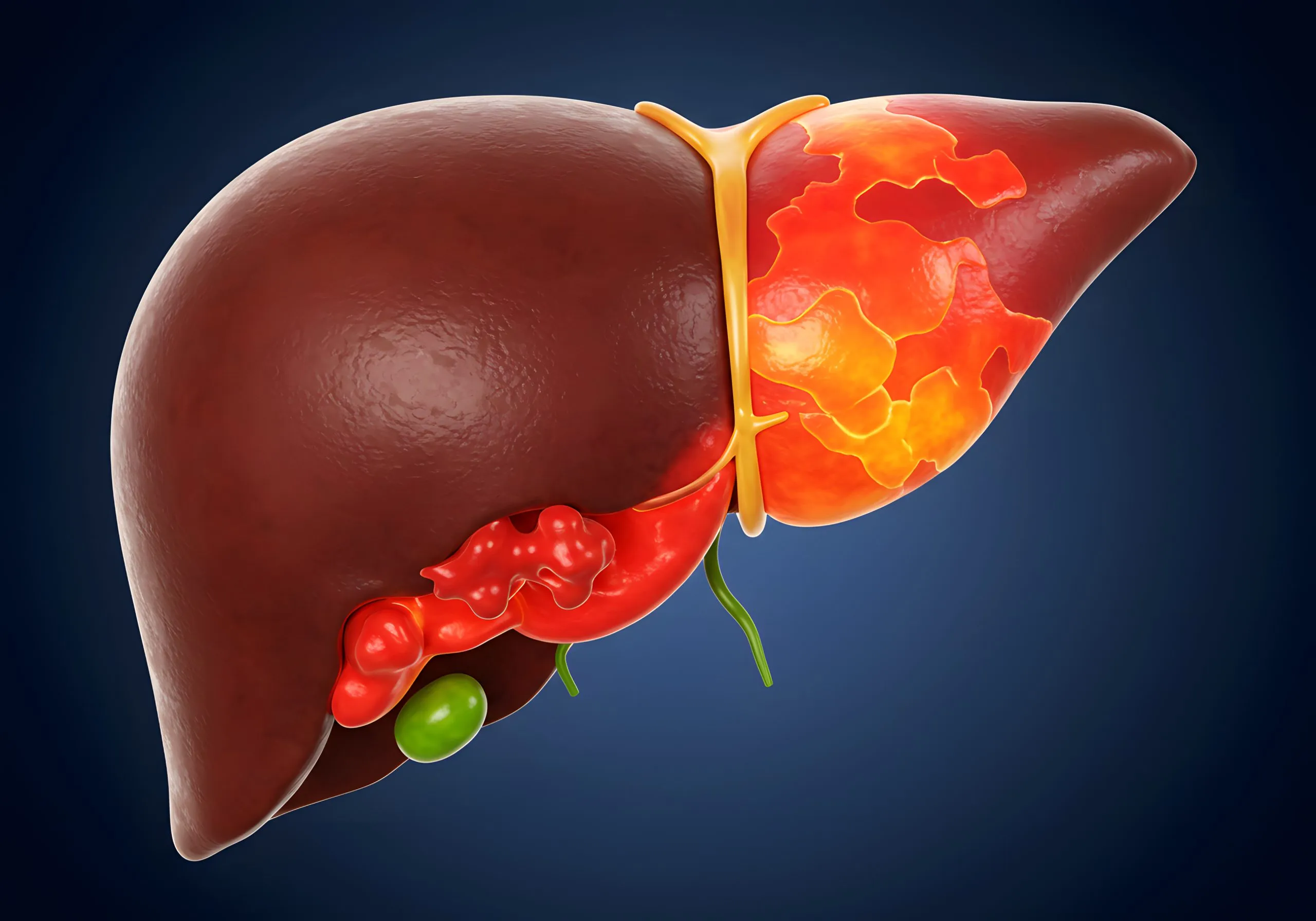
Medical prevention is usually secondary prevention. In other words, once the patient has been infected with hepatitis C, prevention is aimed at reducing the chance of chronic disease. In the case of chronic disease, prevention aims at reducing the likelihood of fibrosis, cirrhosis, and liver cancer.
It is also important to make clear that patients who once got infected with hepatitis can experience reinfection. In some cases, reinfection is even more common than primary infection, especially in immunocompromised patients. Sexual intercourse with hepatitis C patients may lead to rapid reinfection with a potentially severe type of hepatitis C.
The diagnosis of this disease requires detecting antibodies against hepatitis C in the patient. It is then crucial to perform an RNA test of the hepatitis virus to know if this is a new infection, or the patient acquired immunity in the past. But these antibodies take a long time to appear, and patients can have up to 3 months showing false-negative results. Some patients keep on having false negative tests for one year or more. During this period, their disease is impossible to detect, but they keep on spreading hepatitis C to healthy individuals.
Extended false-negative results are more common in HIV patients, and recent studies have shown that some patients with hepatitis C were recently infected with HIV without knowing. Their risk of getting hepatitis C through sexual intercourse was higher, and they kept holding high-risk sexual activities. All of this overlapping risk leads to one infection and a potential spread and outbreak to new sexual partners.