Skip to content
Symptoms of Wilson disease

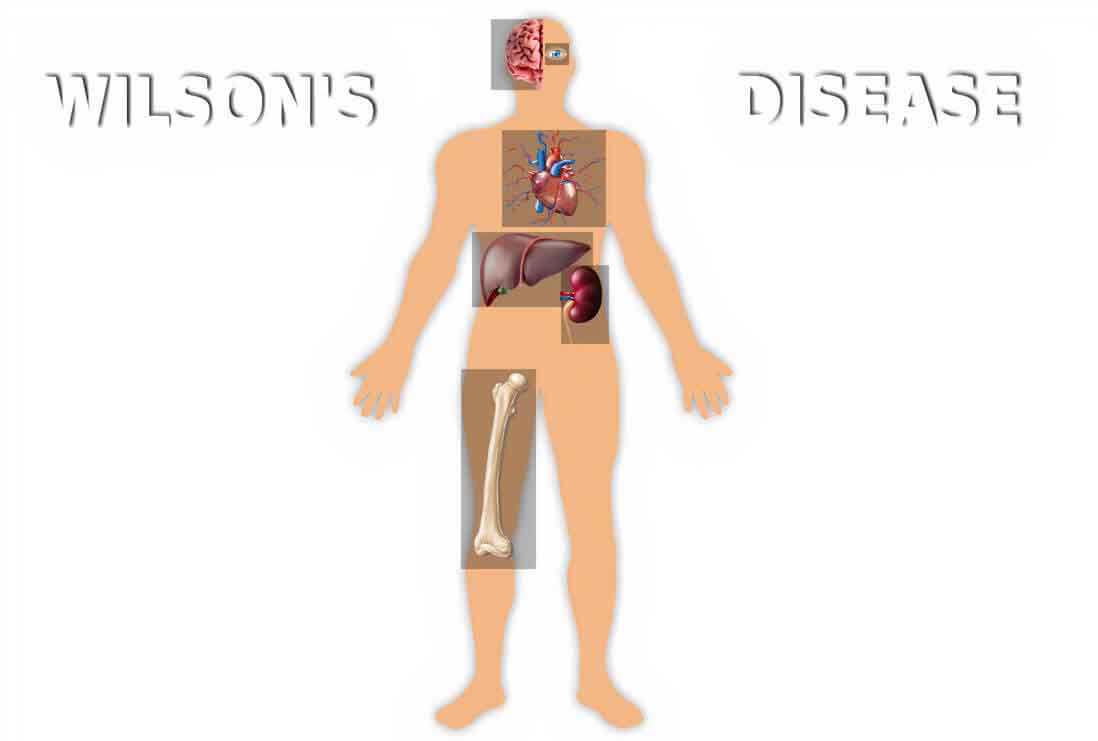
Symptoms of Wilson disease are so variable. Excess copper accumulates in many organs and damages them; it often affects the liver, brain, and eyes.
Patients with liver symptoms come to the clinic earlier than patients with neuropsychiatric symptoms. Patients may be asymptomatic; their diagnosis is because a first-degree relative has the disease.
liver symptoms
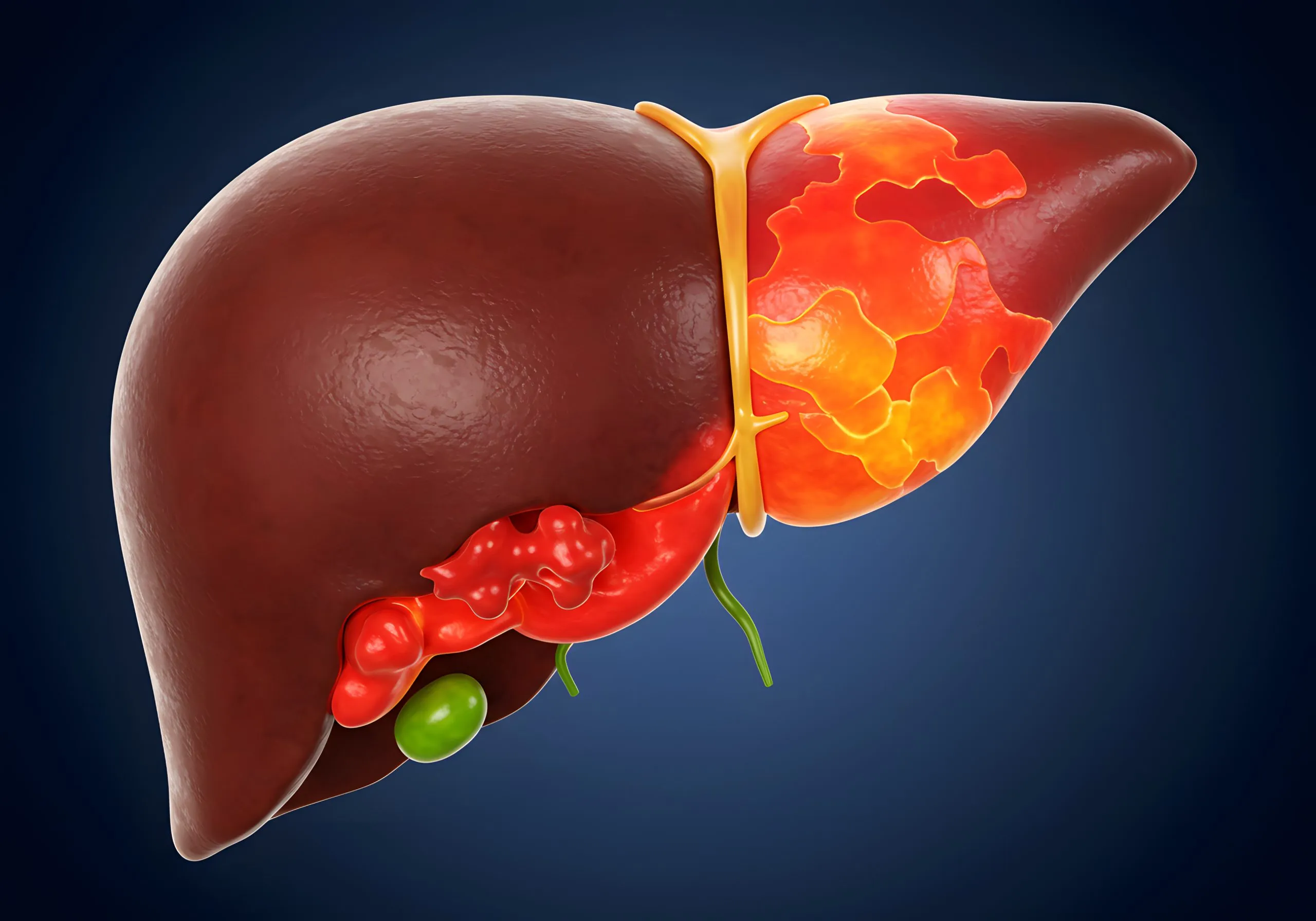
Excess copper accumulates in the liver cells and causes their inflammation. Liver symptoms include the following:
- Poor appetite and loss of weight
- Pain in the upper quadrant abdomen over the liver
- Fatigue
- Ascites (fluid accumulation in the peritoneal cavity)
- Jaundice (yellowish or greenish discoloration of the skin and white eye)
- Edema (swelling of the lower limb)
Nervous symptoms
The deposition of copper in the brain affects your physical and mental abilities. 50% of patients with Wilson disease have neuropsychiatric symptoms. These symptoms may occur in children but are more common in adults. These symptoms include:
- Anxiety
- Depression
- Psychosis: find difficulties to differentiate between real or not real
- Muscle stiffness
- Tremors: shaking of one or more parts of the body due to involuntary contraction of muscles
- Changes in behavior and personality
- Speaking problems
Eye symptoms
The deposition of copper around the edges of the cornea causes Kayser-Fleischer rings, which are brown.
Cholestasis and primary biliary cirrhosis also can cause Kayser-Fleischer rings.
Other symptoms
Copper deposits in other parts of the body and causes the following:
- Hemolytic anemia: abnormal destruction of red cells
- Osteoporosis: thin and fragile bones that are liable to repeated fractures
- Cardiomyopathy: heart muscle dysfunction
- Renal stones