Skip to content
Lethargy and coma

When the disease advances and is not treated promptly, the patient may end up in a coma. This is the last stage of hepatic encephalopathy and only happens when a considerable ammonia concentration is found in the brain. Lethargy features unintelligible speech and a sluggish state of mind, with little to no response to the outside world. Coma features no speech at all and no interactions with the world. The patient is not even responsive to painful stimuli, and it is one step from death when the main problem is not treated. This sometimes happens in fulminant hepatic failure, a sudden and very severe hepatic problem caused by an acetaminophen overdose, and occasionally hepatitis A or hepatitis B.
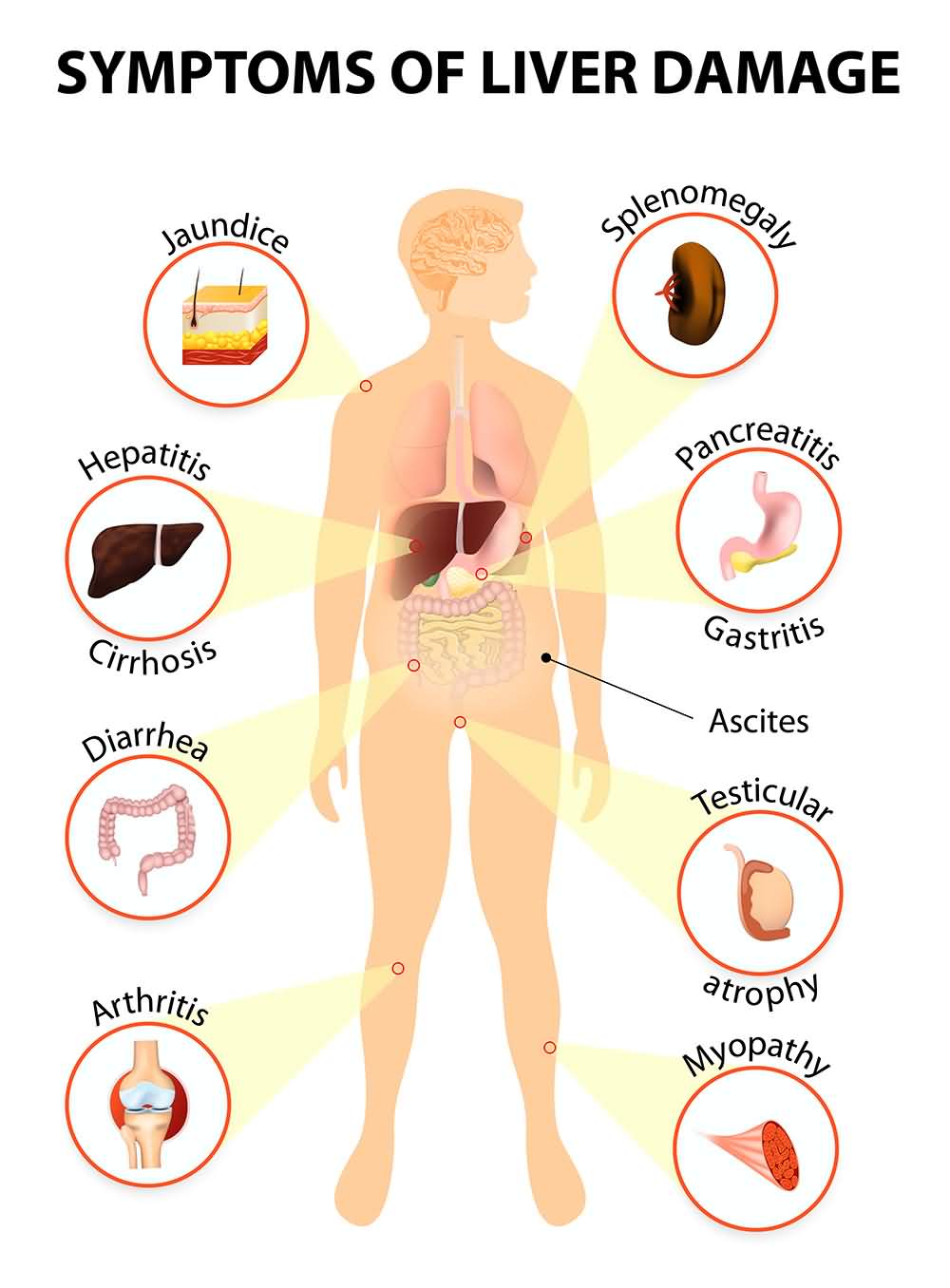
As you can see, the signs of hepatic involvement are different and have a wide range of severity. As noted above, most cases are asymptomatic until the liver cannot compensate for the damage and starts causing noticeable problems. Thus, if you suspect liver damage, do not wait for signs and symptoms and talk to your doctor about it. Maybe a hepatic screening will clear your doubts, and if any problem is found, you can start treatment and lifestyle modifications right away.
References
Sharma, B., & John, S. (2019). Hepatic Cirrhosis. In StatPearls [Internet]. StatPearls Publishing.
Loria, A., Escheik, C., Gerber, N. L., & Younossi, Z. M. (2013). Quality of life in cirrhosis. Current gastroenterology reports, 15(1), 301.
Schuppan, D., & Afdhal, N. H. (2008). Liver cirrhosis. The Lancet, 371(9615), 838-851.