Skip to content
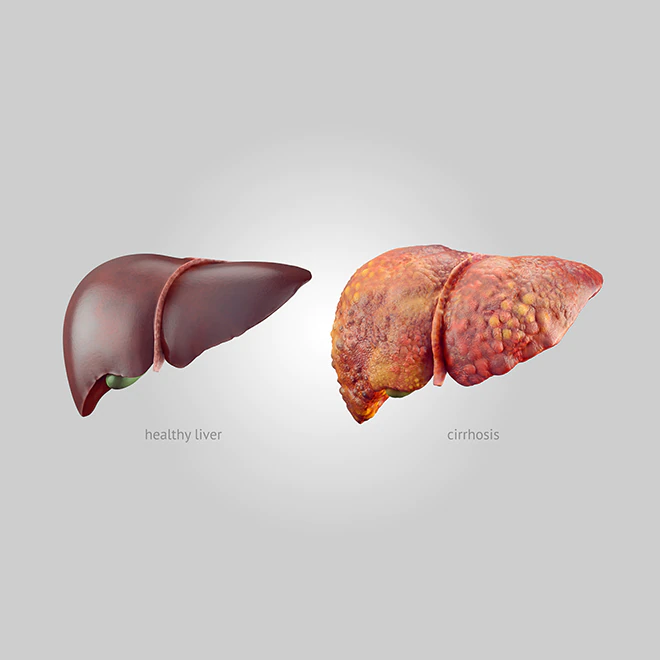
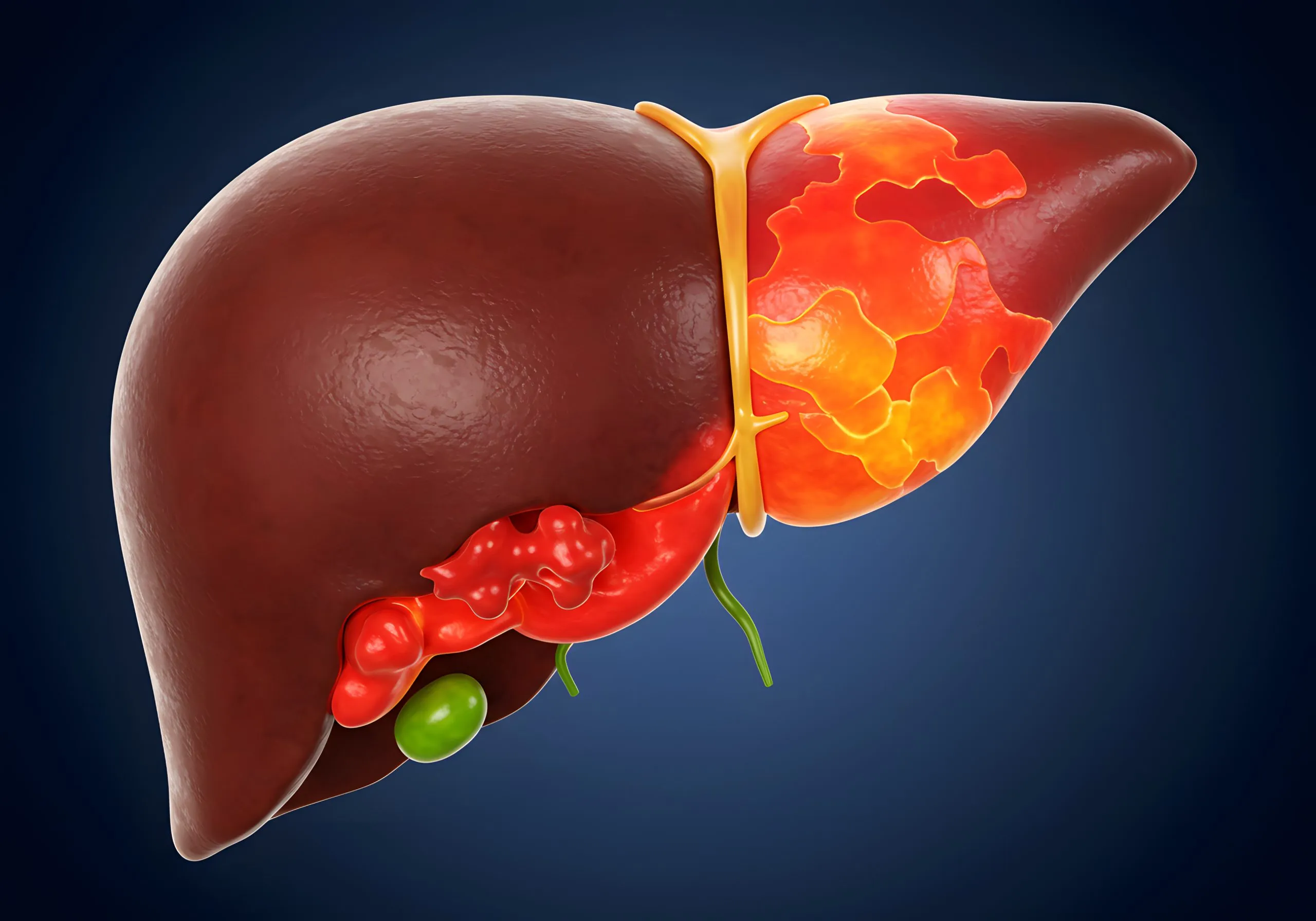
Cirrhosis is a common liver condition associated with various diseases, most of them chronic and slow-progressing. The name cirrhosis was adopted in 1826, and it comes from a Greek word that means orange-brown because the liver adopts this color, as evident in autopsies.
Instead of being a syndrome or a disease by itself, cirrhosis is the histologic result of a variety of conditions or pathologic processes. Under the microscope, the process is characterized by generalized fibrosis in the liver. Instead of having a normal architecture, the liver is converted into nodules and infiltrated with fibrous tissue without a function. This type of liver injury usually progresses in years, but it can happen in a matter of weeks when the organ is exposed to specific toxic agents.
In contrast to liver fibrosis, liver cirrhosis is irreversible. Liver fibrosis is simply a deposition of collagen fibers, proteoglycans, and other extracellular matrix components. It is one step before cirrhosis, and we can still revert the process. But once the liver enters cirrhosis, it can’t be undone, and its condition can only worsen with complications such as portal hypertension, hepatic encephalopathy, and more.
Causes
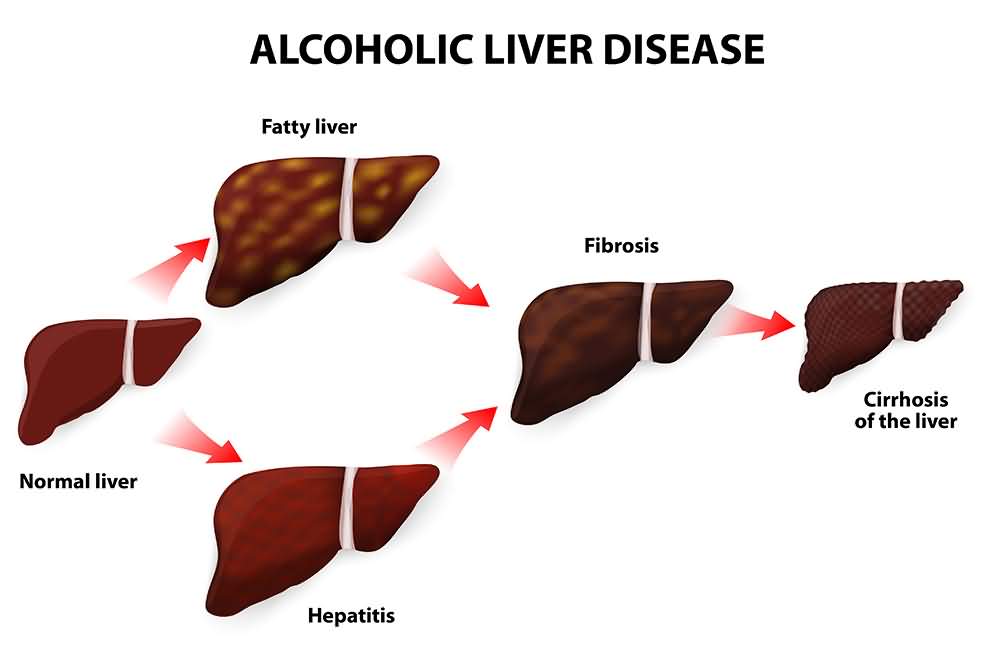
As noted above, cirrhosis is the histologic consequence of a variety of liver diseases. Thus, patients with liver injury, inflammation, and other pathologic liver processes are at a higher risk of developing this condition. One of the most critical risk factors, as noted in public health statistics, is hepatitis C. This type of hepatitis is currently one of the most common causes of cirrhosis. It is a chronic disease that develops over the course of many years with long-term consequences when it is not treated, and one of those consequences is cirrhosis.
Hepatitis C has replaced what was initially thought of as the first cause of cirrhosis: alcoholic liver disease. Nowadays, alcoholic liver disease is another predominant cause of cirrhosis, but not the number one. Similarly, nonalcoholic fatty liver disease is an important cause of cirrhosis in patients with morbid obesity, severe hypertriglyceridemia, and diabetes. In these patients and alcoholic patients, liver steatosis triggers a chronic inflammatory condition that ends up in cirrhosis. Additionally, alcohol causes free radical damage to the liver, speeding up the lesions.
Other less common causes include the hepatitis B virus, often in correlation with a hepatitis D infection in 15% of cases, and other miscellaneous causes in 5% of cases. These miscellaneous causes include primary biliary cholangitis, autoimmune hepatitis, hemochromatosis, primary sclerosing cholangitis, and other trigger diseases.