Our bile and biliary tract

Bile was considered one of the four bodily humors by ancient physicians, and any disturbance of it was considered significant and could threaten life. Our view of medicine has changed considerably since then, yet bile remains one of the vital fluids in our bodies.
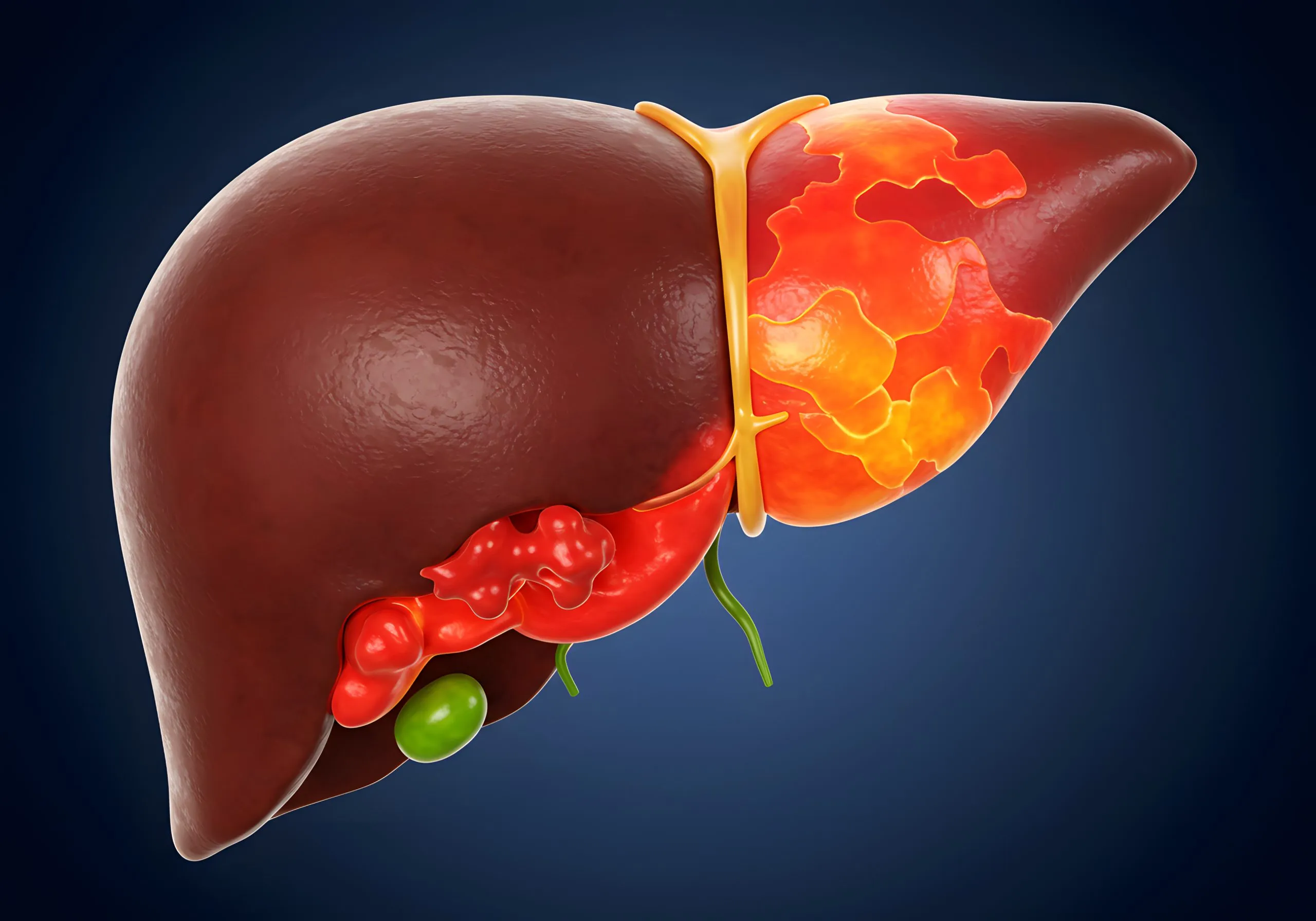
Bile is a fluid that contains several chemical compounds including bilirubin, bile salts, and fats. Its main function is digestive and helps in the breakdown of fats in our bodies for them to be absorbed later on by the small intestines. Bile is secreted by individual liver cells and then flows through a complex network of ducts. The liver has 2 main ducts, the right and the left ones. Both ducts merge to form the common hepatic duct. Bile is then stored in a sac-like organ called the gall bladder. When we ingest a fatty meal, a certain chemical is released called cholecystokinin which helps the gallbladder contract and release its content of bile. Bile then flows through a wide duct called the common bile duct and then into the small intestines.