Skip to content
Treatment of alpha-1 antitrypsin deficiency

The main treatment
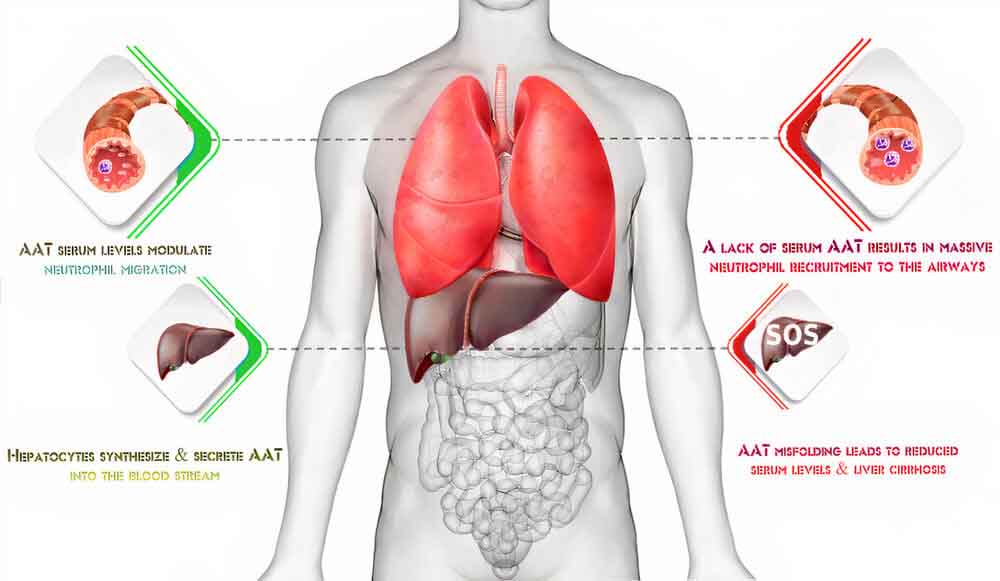
Intravenous human AATD is the most efficient treatment of AAT to increase the level of AAt in the blood. You take this therapy if your AAT level is less than 11 micromols/L. Heterozygous phenotype patients may not need this therapy.
Criteria of this therapy:
- AAT level blow 11 micromol/L
- Spirometry less than 80%
- ZZ type patient
- Stop smoking or never smoking
Side effects of this therapy:
- Fever with flue symptoms
- Anaphylaxis against human AAt
- Chest pain
- Thrombocytopenia
This therapy aims to reduce the damage or stop it. But, it can’t reverse the damage or cure it.
Treatment of symptoms of the lung
- A combination of LABAs (long-acting beta-agonists) and ICS (inhaled corticosteroids) lead to decrease inflammation of the air pathway and relieves symptoms of COPD as wheeze and shortening of breath.
- Lung transplantation: That is the last choice to save the patient as his lung is completely damaged. Doctors remove damaged lungs and replace them with a healthy donor. Transplantation relieves lung symptoms.
- Oxygen therapy: Oxygen through a mask or tube help you in breathing.
- Pulmonary rehabilitation: Exercises and healthy lifestyle help you to improve your lung functions.
- Vaccines aganist infuanza and pnumococci
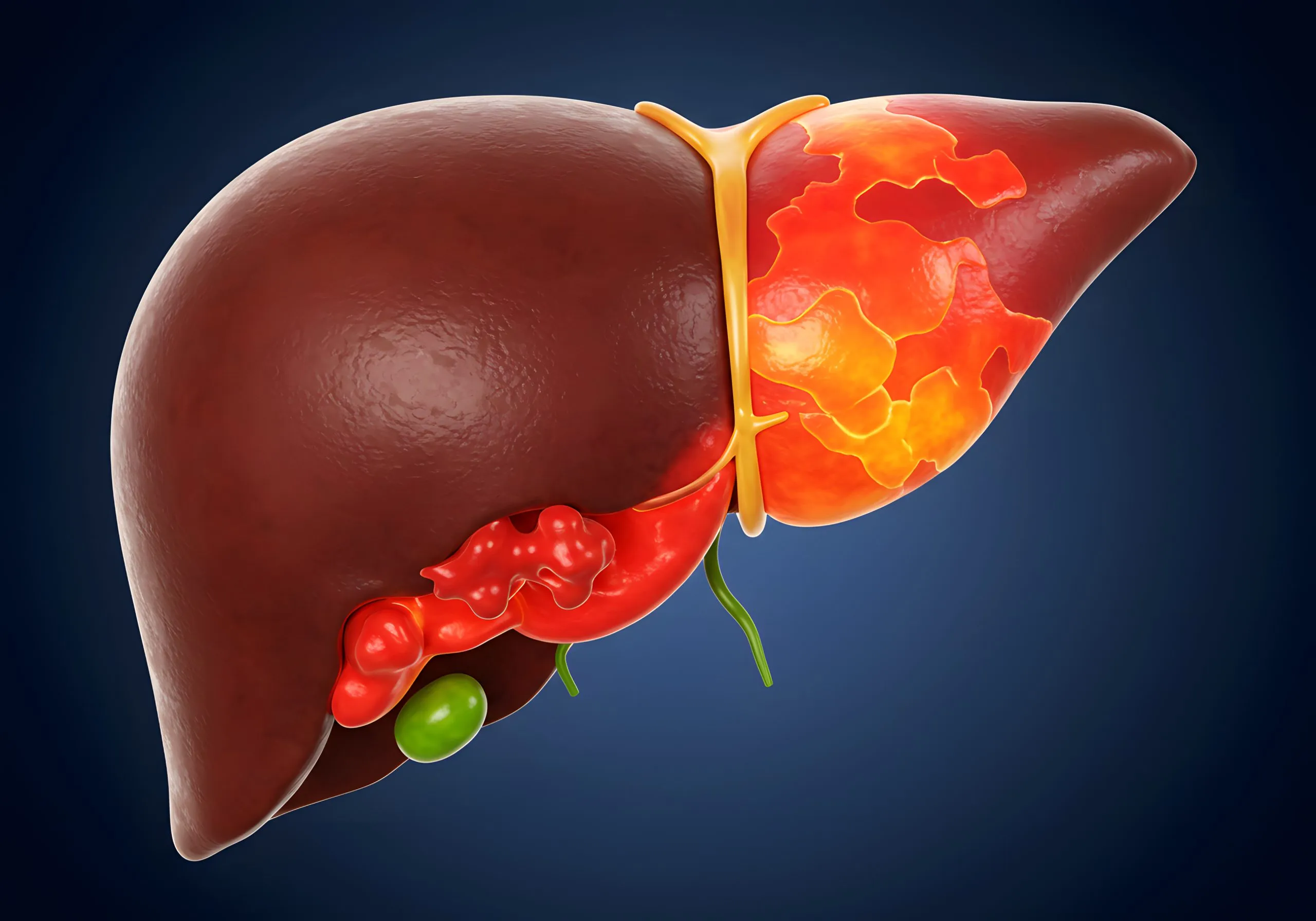
Treatment of symptoms of the liver
- Vaccine against hepatitis A and B
- Liver transplantation: we do it in the end-stage liver damage when the liver can’t maintain any of its functions.
Treatment of panniculitis
- Nonsteroidal anti-inflammatory drugs to decrease inflammation and pain
- Antibiotics for infection
- Hydroxychloroquine and potassium iodide reduces the symptoms.
- Oral steroid drugs
- If all medicines fail, we may resort to surgery.