
Symptoms, signs, and complications

At first, let’s know -briefly- what the healthy liver does. Your liver detoxifies (filters) your blood from toxins and plays a vital role in the metabolism. The liver has a great reserve power; it can lose 75% of its cells before stop functioning, which explains why liver diseases don’t show symptoms in the early stages.
Symptoms of autoimmune hepatitis depend on the amount of liver damage. At first, you may have no symptoms. Most patients may have non-specific symptoms, such as:
- Fatigue (feeling tired) is the most common symptom.
- Upper abdominal pain and discomfort
- Nausea and vomiting
- Loss of appetite and weight loss
- Diarrhea
- Joint pain (arthralgia) often affects the small joints.
- Mild flu-like symptoms (fever, anorexia, headache, and malaise)
- Jaundice (yellowish discoloration of the skin and sclera)
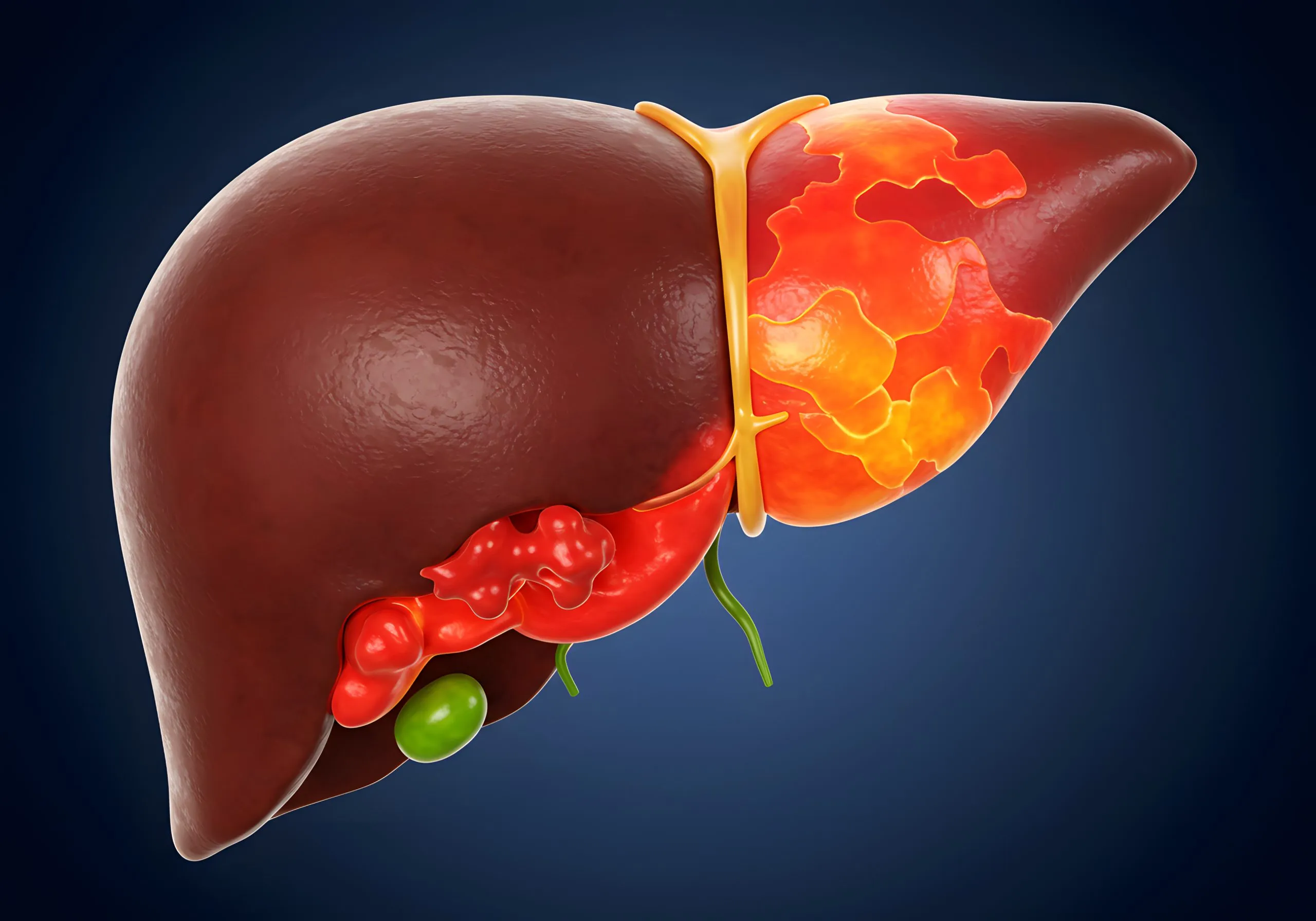
All of these symptoms are nonspecific and occur with acute hepatitis and other diseases. But, as the disease progresses, the liver loses more of its cells and can’t do its functions well. After inflammation, the liver heals by fibrosis, which causes liver cirrhosis (scarring) that impairs liver functions.
Thus, other symptoms and signs (complications) occur, reflecting the deterioration of liver functions. These symptoms include the following:
- Jaundice deepens.
- Dark urine and pale stools
- Gallstones
- Itchy skin due to the accumulation of bile
- Skin rashes
- Easy bruising and bleeding tendency: The liver synthesizes coagulation factors, and its failure affects the coagulation process.
- Abnormal spider-like blood vessels on the skin (spider angiomas)
- Excessive hair growth (hirsutism): usually in women
- In women, the absence of menstrual periods (amenorrhea)
Untreated autoimmune hepatitis results in permanent liver cirrhosis (scarring) that leads to the following complications:
- Enlarged liver (hepatomegaly) and spleen (splenomegaly) manifest as abdominal swelling.
- Ascites: it means fluid accumulation in the peritoneal cavity, leading to abdominal distention. It leads to abdominal discomfort and may interfere with breathing. Ascites indicates advanced liver cirrhosis.
- Edema: Swelling of the legs and ankles due to fluid accumulation
- Esophageal varices occur when liver cirrhosis blocks the blood flow through the portal vein and causes portal hypertension. They may cause massive and life-threatening bleeding that requires immediate medical care.
- Hepatic encephalopathy: The liver can’t do its detoxifying functions well; thus, some toxins go to the brain with the blood that the liver didn’t filter. This condition may end in a coma and requires urgent medical care.
More liver tissue damage means more liver cell failure and more severe complications. Extensive liver cell failure may require liver transplantation to restore some liver functions. Also, liver cirrhosis raises the risk of liver cancer.
With autoimmune hepatitis, the patient may experience the symptoms of other associated autoimmune diseases.