Skip to content

Treatment of autoimmune hepatitis

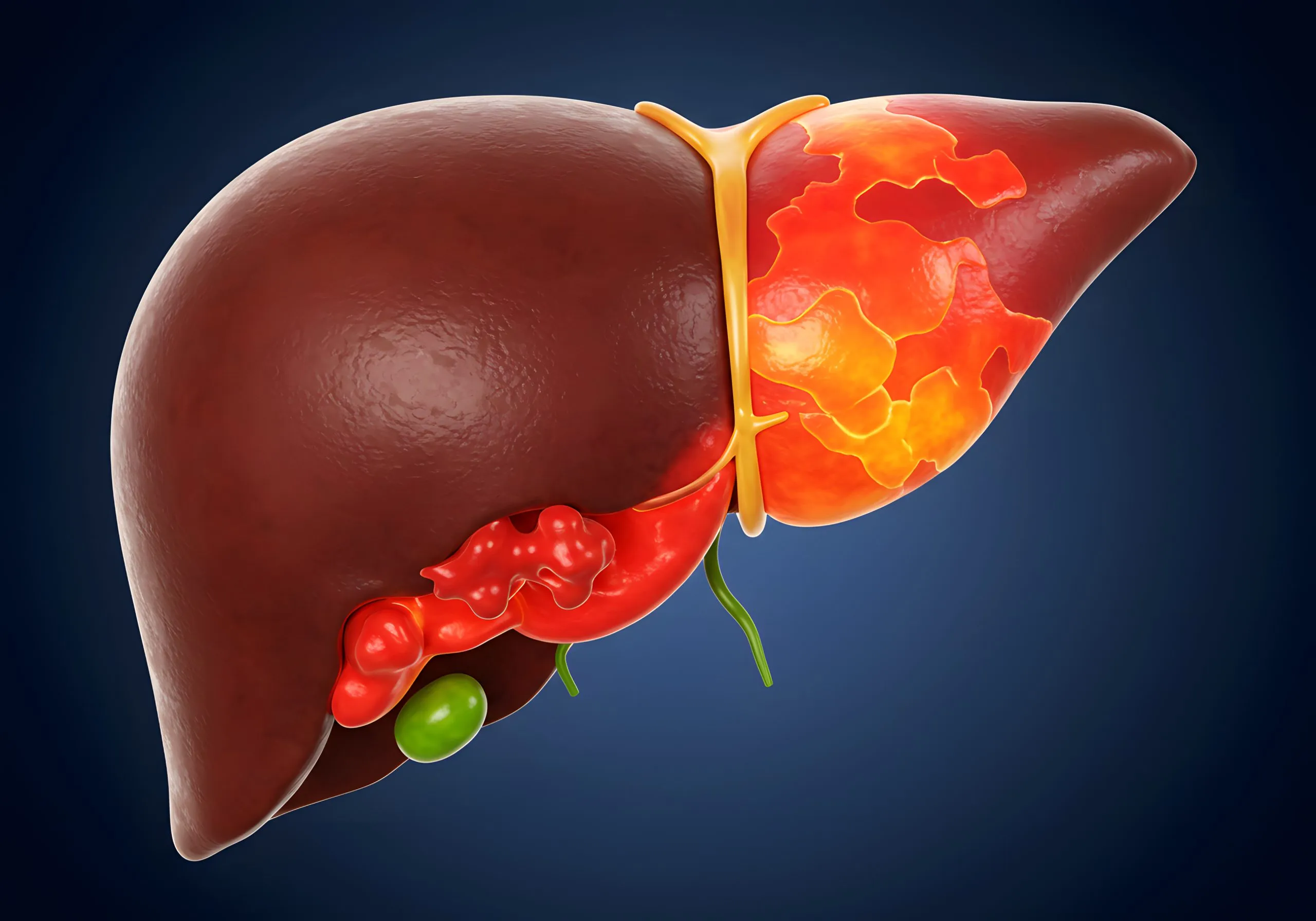
The treatment aims to slow the progression of the disease and prevent more liver damage to control the symptoms. The treatment depends on the nature of the disease, which is the overactive immune system that attacks the liver. Thus, we can manage this disease with medications that suppress this overactive immune system.
You may not need treatment if you have no symptoms. But, your doctor will investigate your liver functions and histology regularly to detect any deterioration. The treatment starts when you experience symptoms or your lab results worsen.
To achieve the treatment goals, we have two treatment choices: medical therapy and liver transplantation. Also, some lifestyle modifications will help you to keep healthy.
Medical treatment
Medications for autoimmune hepatitis suppress the immune system, which controls the disease but causes severe side effects. Thus, take and stop them only when your doctor advises you.
These medications include:
- Corticosteroids (such as prednisone and budesonide)
They are anti-inflammatory drugs that have many side effects. Your doctor will tell you the dose and duration. Your doctor will start with a high dosage during the 1st month of treatment, then reduce it gradually over the following months till he finds the minimum effective dosage that can control the disease.
These medications may cause side effects, such as:
-
- Osteoporosis (weak and thin bones)
- Hypertension and diabetes
- Cataract and glaucoma
- Weight gain and obesity
- Immunosuppressants (such as azathioprine, 6-mercaptopurine, and cyclosporin)
These medications inhibit your immune response, which carries benefits and risks for our patients. It controls autoimmune hepatitis but also weakens your immunity against infections.
Your doctor will choose the suitable immunosuppressant for your condition and tell you its dosage, duration, and precautions. If you take these medications, you may need regular investigations and take some vaccines or antibiotics to protect yourself.
Autoimmune hepatitis is a chronic disease, and its treatment takes a long time and maybe lifelong. 60% to 80% of patients achieve remission within two or three years. Remission means that symptoms and laboratory tests improve. Your doctor may stop the treatment when you gain remission, but the relapse (becoming ill again) is common in 80% of patients.
Your doctor will determine which drug you should take (one or two), its dosage and duration, and how he will follow up with you.
We talked about the medical treatment, but when will you need to do liver transplantation?
Liver transplant surgery
You will need this surgery when:
- You don’t respond to the medical treatment or can’t tolerate the treatment’s side effects.
- Your liver damage (cirrhosis and failure) became irreversible, and your liver couldn’t maintain any of its functions.
About 10% to 20% of patients with autoimmune hepatitis need liver transplantation. The surgeon will replace your diseased liver with a healthy one from dead or living donors.
Also, the disease sometimes recurs after liver transplantation. Thus, your doctor will decide when you need this option.
Finally, don’t forget to modify your lifestyle to aid the treatment and keep you healthy. For example, eat a healthy balanced diet and avoid alcohol.