Skip to content

Diagnosis of autoimmune hepatitis

Asymptomatic patients often discover autoimmune hepatitis during routine tests or investigating another health problem.
Symptoms of autoimmune hepatitis are confusing and occur with other diseases, such as viral hepatitis. When your doctor diagnoses you, he (or she) will aim to:
- Exclude other possible causes for these symptoms, such as viruses and alcohol
- Determine which type you have
- Evaluate the liver functions and the amount of liver damage
Proper diagnosis begins with careful history taking and physical examination to suspect an initial diagnosis. Then, we choose investigations to confirm our initial suspicion.
At first, your doctor will hear your complaint, which raises the suspicion of a liver problem. Then, he will ask you if you are taking any medications or drinking alcohol because both may affect the liver. Also, he will ask if you experienced any symptoms suggestive of infections. Also, he will ask you about similar conditions in your family. Finally, he will ask you if you have (or had) any diseases, especially autoimmune diseases.
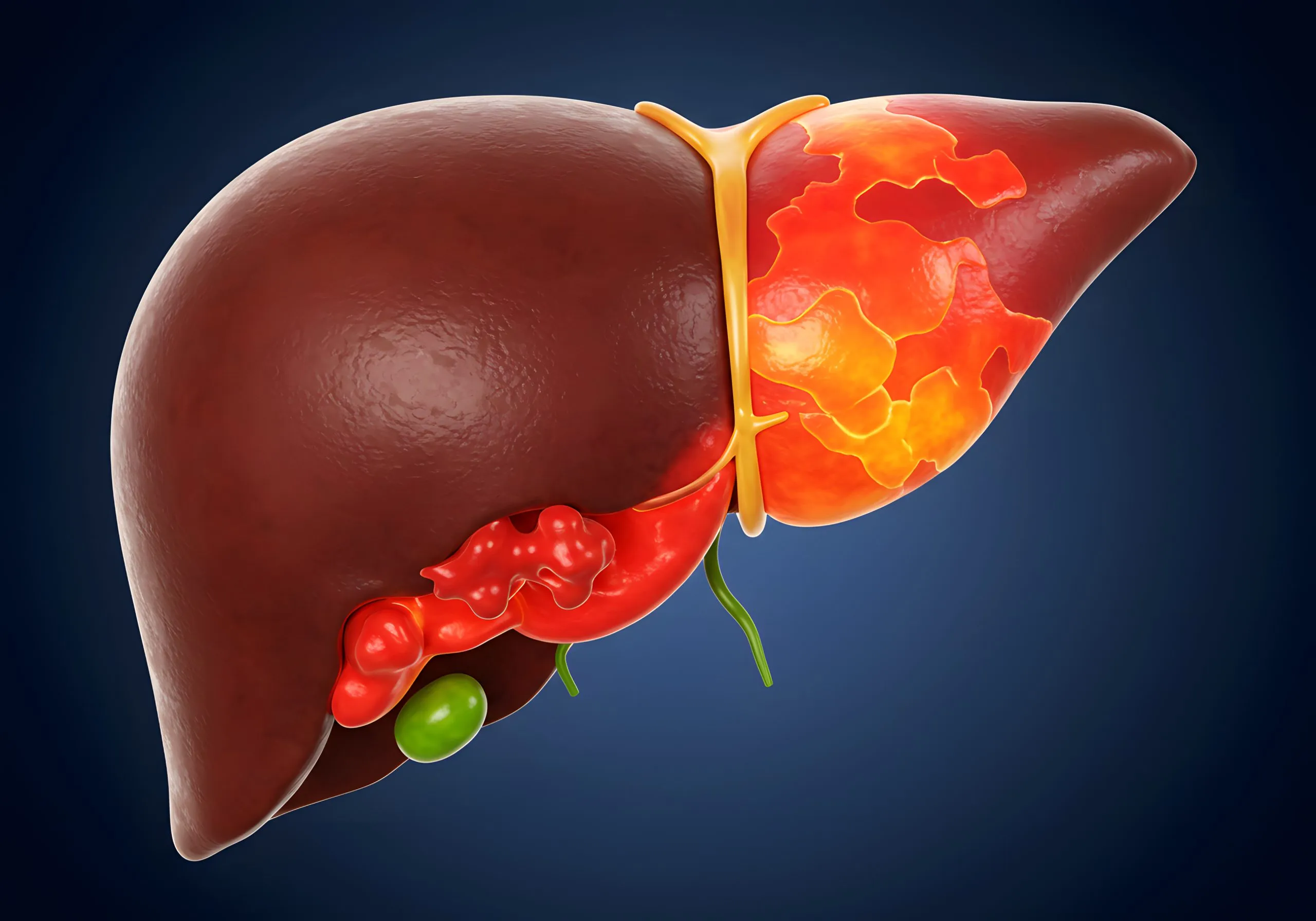
Then, your doctor will examine you to detect signs of severe liver damage and cirrhosis. Physical examination reveals jaundice, hepatomegaly, splenomegaly, ascites, and spider angiomas. All of these signs indicate that there is cirrhosis and progressive liver cell failure.
After history and physical examination, your doctor will order investigations to confirm his initial diagnosis. There are many helpful investigations, and your doctor will choose, according to your case.
These investigations include:
Blood tests
Blood tests measure liver functions (liver function tests), which detects hepatitis and monitor it. Blood tests can also exclude viral hepatitis (viral hepatitis markers) and other diseases with similar symptoms.
Via blood tests, we can also confirm autoimmune hepatitis and specify its type by looking for autoantibodies.
The following autoantibodies are characteristic for autoimmune hepatitis:
- Anti-nuclear antibodies (ANA) – Anti-smooth muscle antibody (ASMA) – For type I
- Anti-liver-kidney microsomal antibodies (LKM-1, LKM-2, LKM-3) – For type II
- Anti-soluble liver antigen antibodies (SLA) – For type III (It behaves like type I)
Liver biopsy
Your doctor may order a liver biopsy to confirm autoimmune hepatitis. The liver biopsy excludes other causes and detects the severity of inflammation and cirrhosis.
In this procedure, the doctor will remove a small piece of your liver tissue for histological examination. This procedure is the gold standard for the early diagnosis of most liver diseases.
Also, your doctor will investigate if you have complications to consider in the management plan.
Early diagnosis is the first step in successful management.