How to interpret serum bilirubin results?
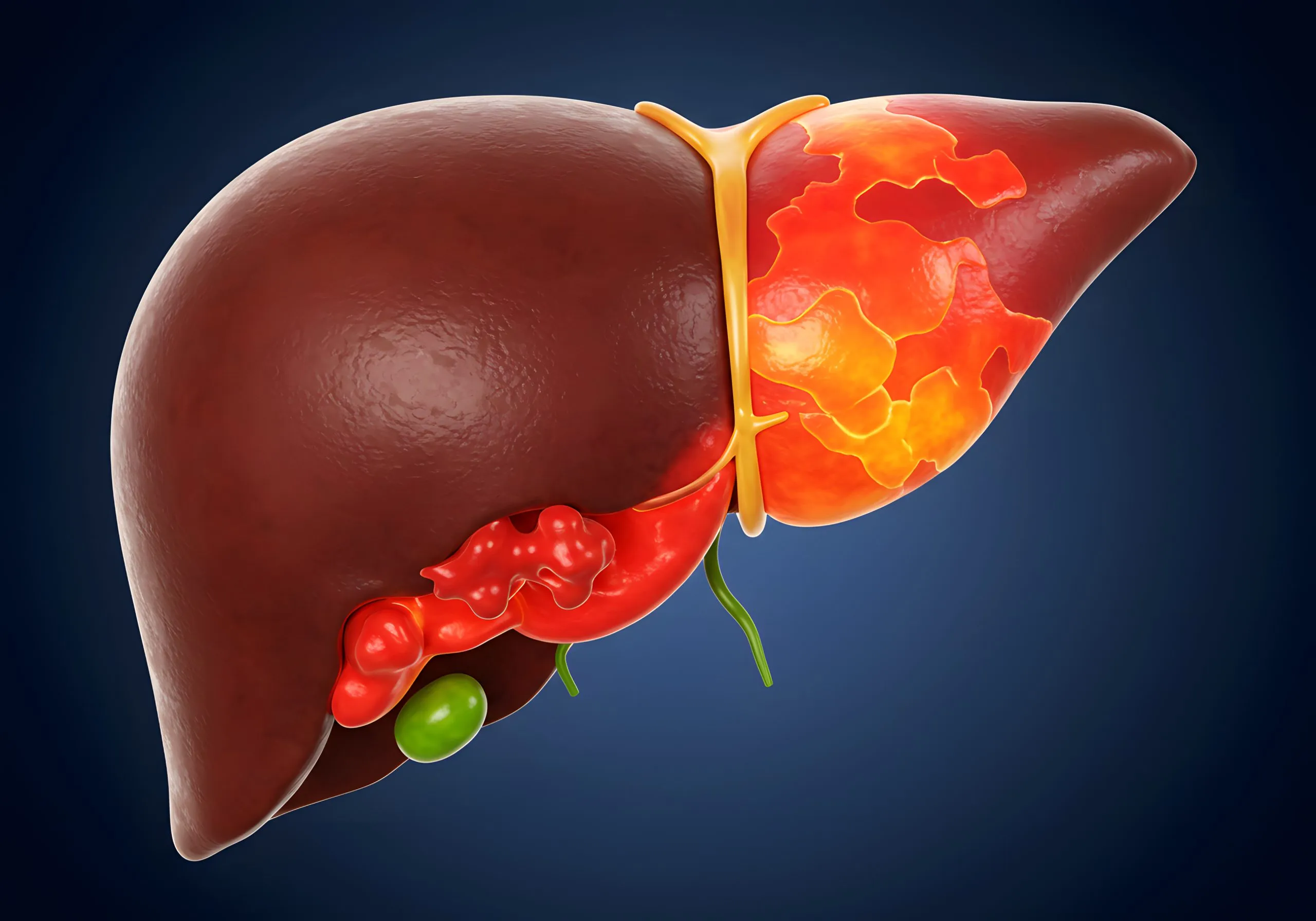
Interpreting bilirubin tests is different if the patient is a newborn. But in most adults and children, an increase in unconjugated bilirubin points to one of three causes: there could be a very high proportion of red blood cells breaking down and destroying (hemolytic anemia), the liver could be the problem when it is not able to process bilirubin due to cirrhosis, or the liver does not have the enzyme that conjugates bilirubin (a condition known as Gilbert syndrome).
On the other hand, conjugated bilirubin is elevated when the elimination of bilirubin is compromised. This is common when you have a blockage of the bile ducts due to gallstones or a tumor. The same can be found in patients with viral hepatitis (more commonly, hepatitis A, B, and C) or as a part of alcoholic liver disease or drug reactions.
Conversely, in a newborn, bilirubin increases usually from blood type incompatibility, hypoxia, or congenital infections. The newborn can also have inherited liver problems, but this is not as common.