4. Drug Interactions
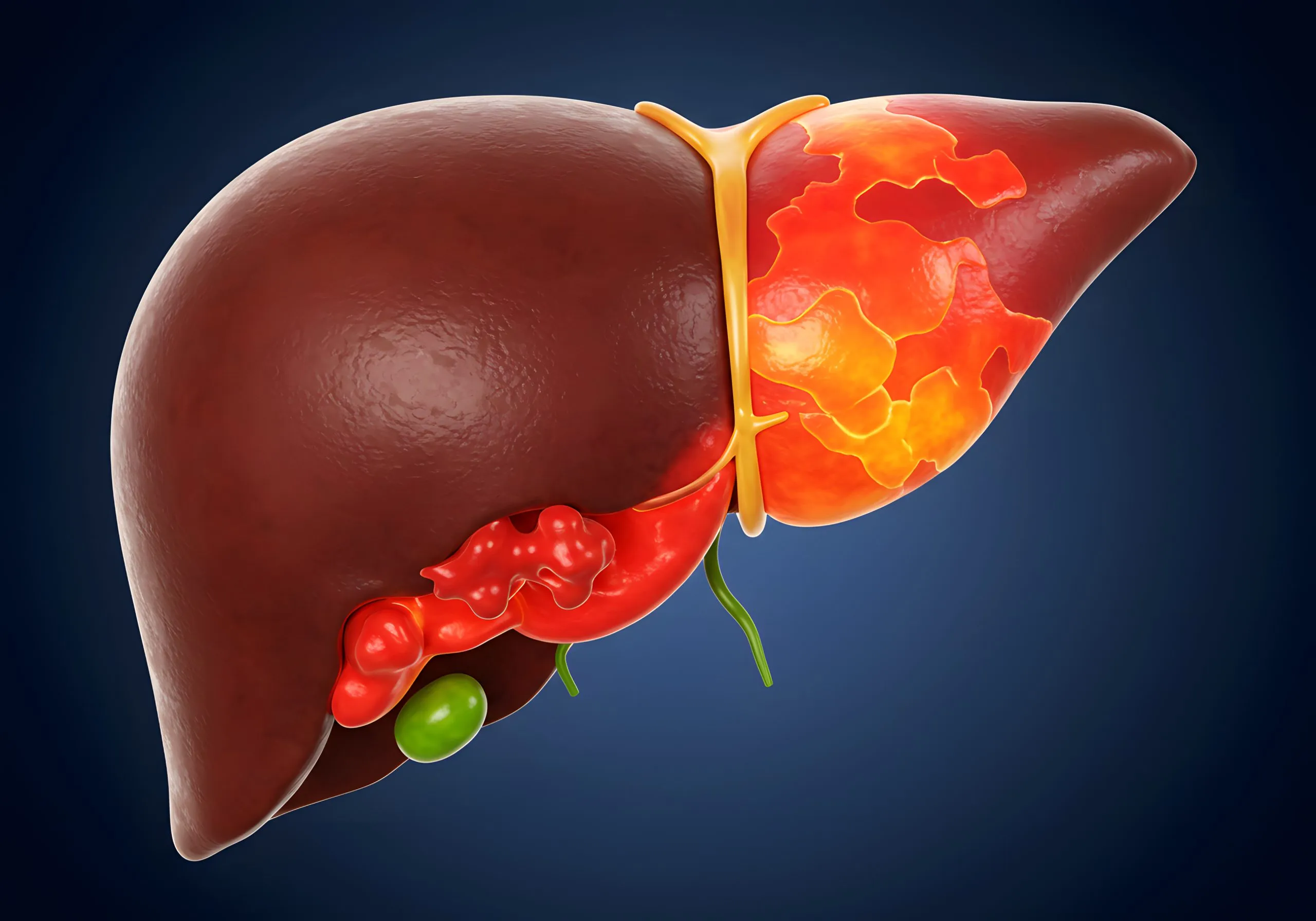
CBD is known to affect how your body metabolizes certain medications, primarily through the cytochrome P450 enzyme system in the liver. This system is responsible for breaking down many prescription and over-the-counter medications.
Common drug classes affected include:
-
Blood thinners (e.g., warfarin)
-
Anti-epileptic drugs (e.g., valproate)
-
Antidepressants and antipsychotics
-
Benzodiazepines
-
Immunosuppressants
By altering how these drugs are processed, CBD can either amplify or reduce their effects, leading to unwanted side effects or decreased efficacy. Always speak to your healthcare provider before combining CBD with any medication.
5. Risks During Pregnancy and Breastfeeding
Health authorities, including the FDA, advise against the use of CBD during pregnancy and breastfeeding. Animal studies have suggested that high doses of CBD may interfere with fetal development, including reproductive and neurological health. Moreover, since CBD can pass through breast milk, it may expose infants to unknown risks.
Due to limited research in humans, it’s safest to avoid CBD entirely during these sensitive periods.
6. Mental Health Considerations
While some users take CBD for anxiety or depression, the evidence remains inconclusive, and self-medicating with CBD may delay appropriate treatment. In rare cases, especially with unregulated products, individuals have reported:
-
Increased anxiety or paranoia
-
Mood swings
-
Sleep disturbances
Moreover, those with pre-existing psychiatric conditions should approach CBD with caution and only under medical supervision.
7. False Marketing and Health Claims
Many CBD companies promote their products using unproven or misleading claims, such as:
-
“Cures cancer”
-
“Replaces all prescription medications”
-
“Completely safe for everyone”
Such statements are not only scientifically unsupported, but they can also be dangerous, particularly if people abandon proven therapies in favor of CBD.
The FDA has issued warning letters to numerous CBD manufacturers for promoting unapproved uses and making misleading claims.
8. Driving and Operating Machinery
Although CBD is non-intoxicating, its effects on alertness vary. In some individuals, it can cause drowsiness, slowed reaction time, or disorientation—especially when taken in large doses or with alcohol or other sedatives.
This makes it potentially hazardous to drive or operate machinery until you know how CBD affects you.
9. Potential for Dependence or Misuse
CBD is not considered addictive in the way that opioids or nicotine are, but psychological dependence is still possible. Some individuals may use CBD as a crutch for managing stress or sleep without addressing underlying health issues, which can delay effective treatment or mask symptoms.
Final Thoughts
CBD and CBD oils hold promise for certain medical conditions, and many people do report positive effects. However, the risks and uncertainties surrounding their use—especially regarding product quality, liver function, drug interactions, and regulatory oversight—cannot be ignored.
If you’re considering using CBD, it’s essential to:
-
Consult with a qualified healthcare provider
-
Choose products that are third-party tested
-
Start with a low dose and monitor for side effects
-
Be cautious about mixing with other medications
CBD is not a miracle cure, and for some, it may pose more harm than benefit. Responsible use, informed decisions, and medical supervision are key to staying safe.