Skip to content

Conclusion

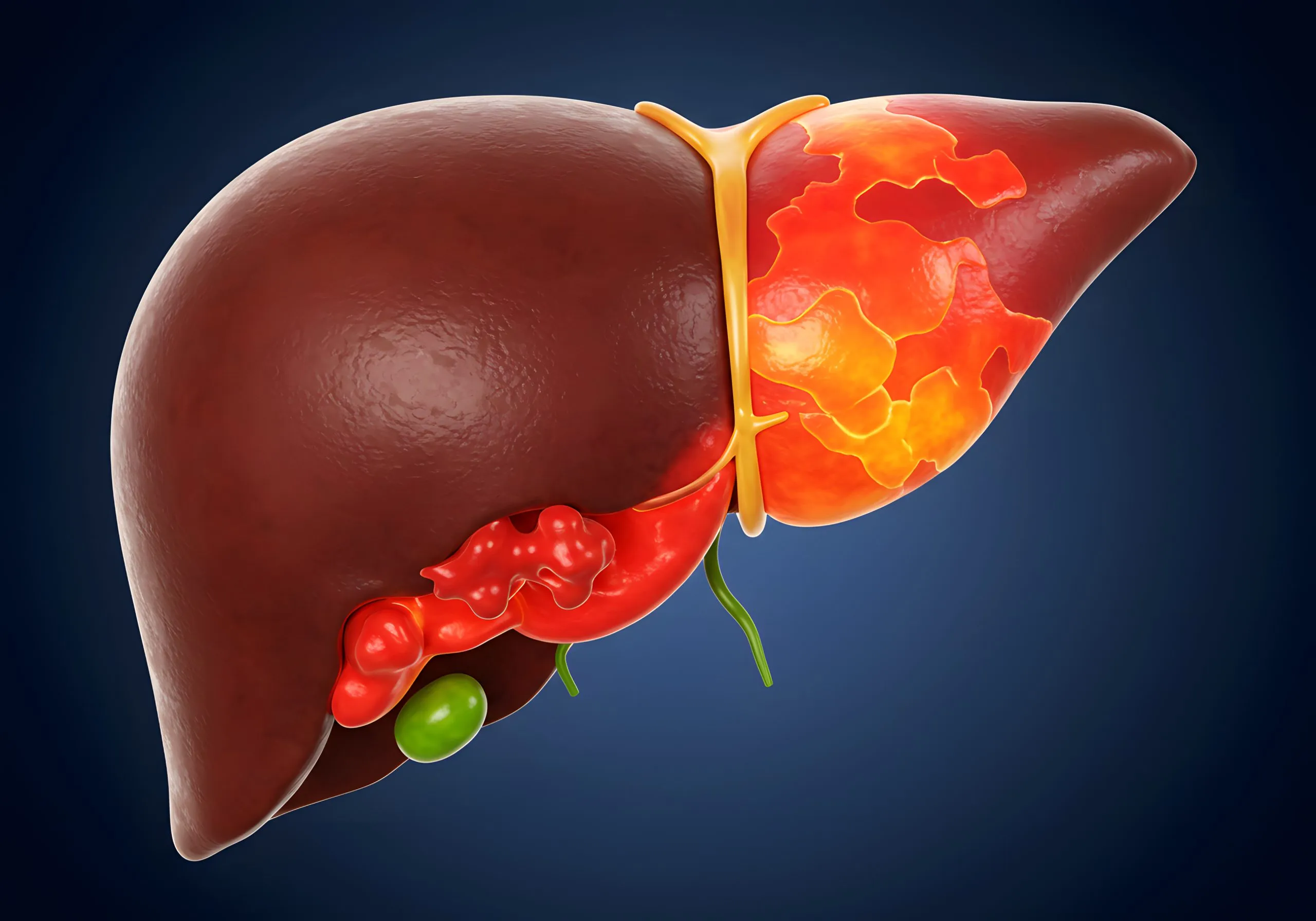
Liver cirrhosis and fibrosis are two deeply interconnected processes but should not be mistaken. Sometimes people think that fibrosis is a normal process or minimal scarring of the liver, but that is not necessarily the case. We can have mild, intermediate, or very severe fibrosis, and cirrhosis itself is the end-stage of cirrhosis in the liver.
In liver fibrosis, there is a buildup of extracellular matrix in clusters of collagen fibers. This accumulation gets in the way of normal cells in the liver and pushes aside the blood vessels. It usually results from inflammation and other lesions to the liver. In a very early stage, fibrosis is unlikely to cause any long-lasting damage because it is reversible, and the still healthy parts of the liver compensate for its function.
But when these lesions and inflammation are sustained for a very long time, fibrosis continues to take up the liver and turns into cirrhosis. In this case, there is not only an accumulation of fibrotic tissue, but it additionally creates a series of regeneration nodules that replace the normal cells and architecture of the organ and severely compromise liver function. When this happens, the liver can no longer clear the blood from toxins as it did. The protein synthesis function is compromised, and a series of complications ensue, including ascites, hepatic encephalopathy, and renal failure.
References
Lo, R. C., & Kim, H. (2017). Histopathological evaluation of liver fibrosis and cirrhosis regression. Clinical and molecular hepatology, 23(4), 302.
Bataller, R., & Brenner, D. A. (2005). Liver fibrosis. The Journal of clinical investigation, 115(2), 209-218.
Schuppan, D., & Afdhal, N. H. (2008). Liver cirrhosis. The Lancet, 371(9615), 838-851.