Skip to content

Functional differences

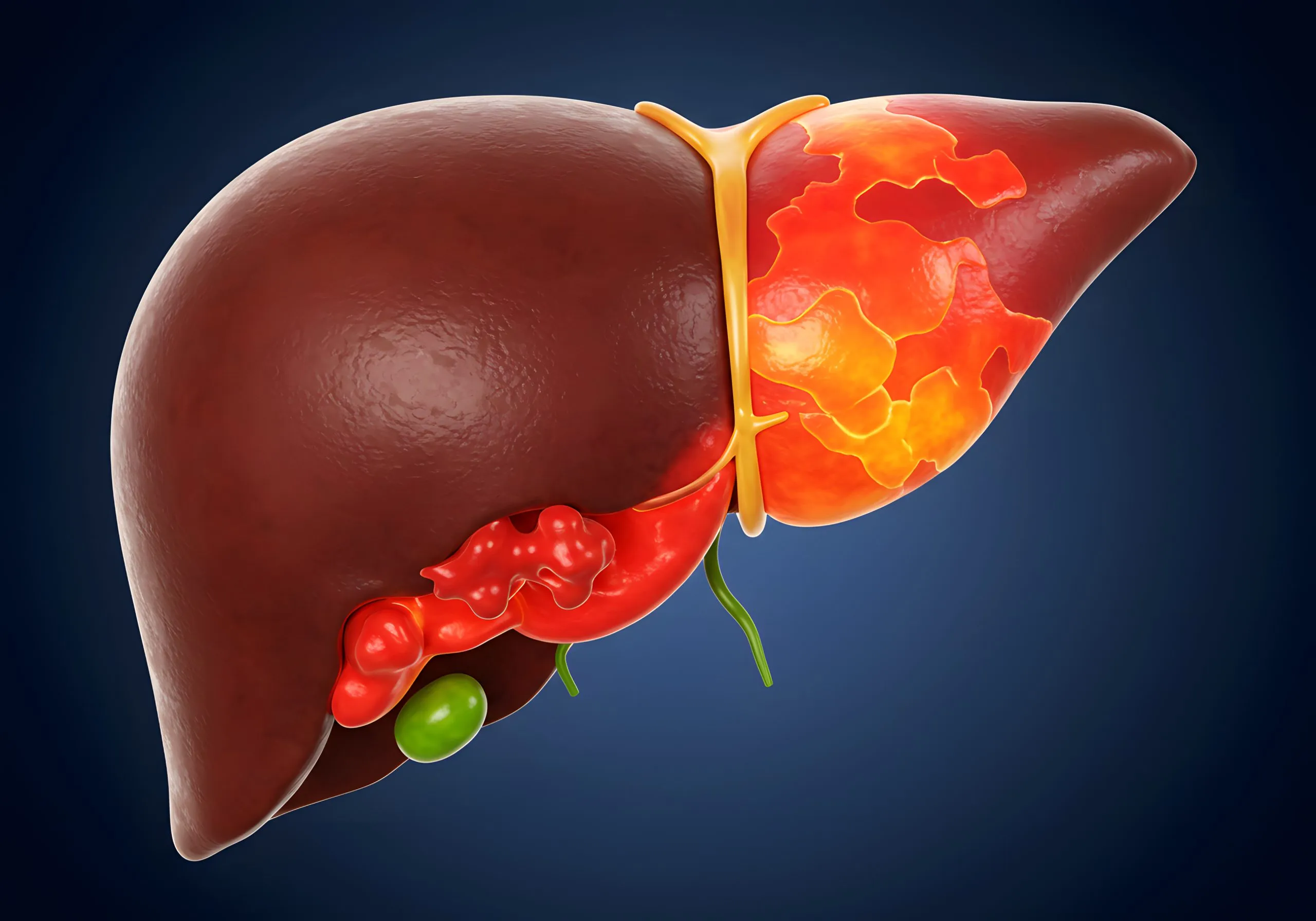
In liver fibrosis, there is a new disposition of liver cells and blood vessels. Thus, the liver function to clear toxins from the blood, create bile, and synthesize new proteins are somewhat affected. However, the damage in one area of the liver is compensated by another, and the functional problems are insidious and not readily apparent. Some patients with liver fibrosis develop symptoms, but most of them do not.
On the other hand, cirrhosis causes a very severe functional compromise of the liver. In mild cirrhosis, some parts of the liver might compensate for the rest of the organ, and these patients may not have clear signs and symptoms. But in moderate and severe disease, patients start developing several functional changes. One of the first changes to appear is portal hypertension due to a combination of constriction of the liver’s blood vessels and higher cardiac output. Portal hypertension leads to the formation of esophageal varices, which then break and cause gastrointestinal bleeding episodes. At the same time, this circulatory change in the liver leads to ascites.
Moreover, ascites is also triggered by an impaired function of the liver to create new proteins. This organ creates one of the most critical proteins in the blood, known as albumin, which is vital to keep blood inside the blood vessels without any leakage. Thus, not enough albumin leads to the leakage of plasma into the abdominal cavity, the soft tissue of the legs, and other swelling areas of the body. Ultimately, liver failure caused by cirrhosis leads to renal failure and brain alterations due to the accumulation of toxins in the blood.