Skip to content
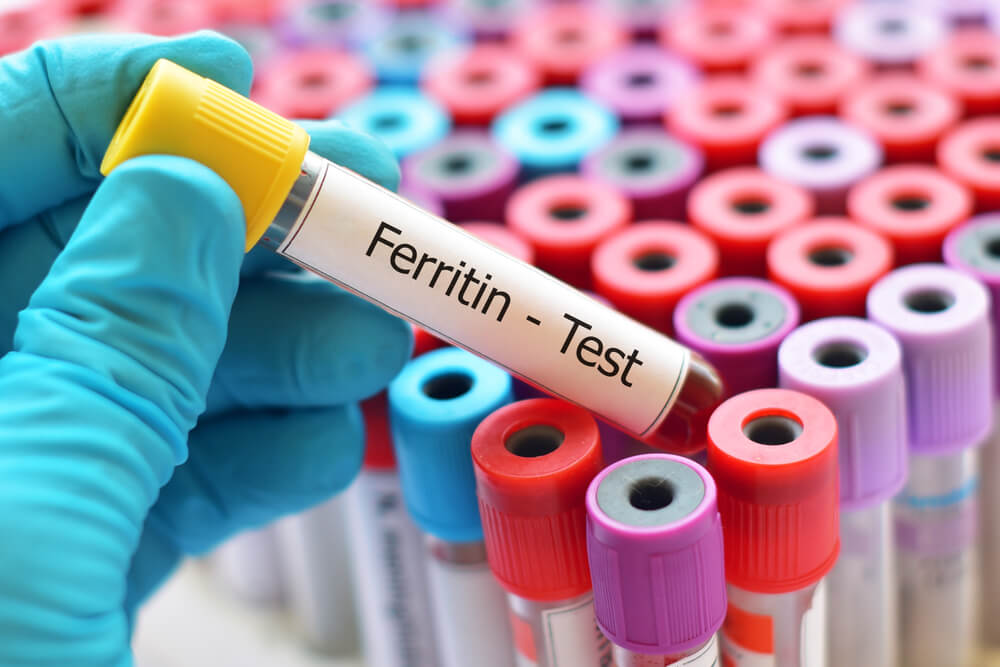
How is low ferritin treated?

Like all lab results, they are not treated for their mere existence, but rather the conditions that caused them in the first place are the ones that are treated. In the case of low ferritin, the main condition treated is iron deficiency anemia which is treated by:
- Stopping the source of bleeding if present: Iron deficiency is rare in adults without a source of bleeding. It may be overt and can be seen or hidden. In both cases, unless the source of bleeding is controlled, any other treatment becomes ineffective.
- Oral iron supplements: Oral iron supplements including iron sulphate can be given in the form of tablets or syrups for children. They are effective with low side effects if taken properly. The main side effects are some abdominal discomfort and constipation. If you cannot tolerate taking iron by mouth, another option is to take it intravenously.
- Iron injections: Iron injections are less commonly used than oral preparations. The reason behind that is that intravenous iron can cause hypersensitivity and has a higher risk of iron overload than oral preparation. They are used in patients who cannot tolerate oral iron or those in need of rapid correction of their anemia as in those undergoing a surgical procedure. There is no intramuscular preparation of iron as it can cause tissue death and permanent tattooing if injected into the skin.
- Blood transfusion: Blood transfusion can be given in select cases of severe anemia. It is used when rapid correction of anemia is absolutely necessary. Your doctor will likely transfuse blood in a hospital setting and with careful monitoring. Blood transfusion comes with its list of side effects including allergic reactions, fever, acute reaction, and the transmission of some diseases including hepatitis and HIV. There is no need to worry, however, since all transfused blood is screened for those viral infections.