Skip to content
How is Gilbert syndrome diagnosed?

Gilbert syndrome is one of many causes of unconjugated hyperbilirubinemia, and other causes of the condition need to be ruled out before diagnosing it. You doctor will listen to your complaint and perform a full physical examination to exclude other conditions, especially those affecting the blood and causing increased breakdown of red blood cells. Afterwards, they may order some lab tests or imaging studies to reach a final diagnosis. The most commonly done lab tests are:
- Total and direct bilirubin levels: The level of bilirubin is key to confirming jaundice. The severity of the condition is also related to how high the level of bilirubin is. To differentiate conjugated from unconjugated hyperbilirubinemia, the level of direct (conjugated) bilirubin must be less than 20%. In most cases, this is the only indicative lab finding in Gilbert syndrome.
- Complete blood count: Complete blood count is a routine lab test, but in jaundice, it helps exclude a blood-related cause to the jaundice. If the reason is related to the blood, there would be anemia and elevated reticulocyte count, which are immature red blood cells.
- Liver function tests: Liver function tests help exclude liver inflammation as a cause for jaundice. If they are significantly elevated, it means that the liver has an acute inflammatory condition, mostly viral or alcoholic.
- Alkaline phosphatase and GGT: both enzymes levels rise in the blood when the cause of jaundice is related to the biliary tract as in stones and some cancers. Excluding them may be needed in some cases.
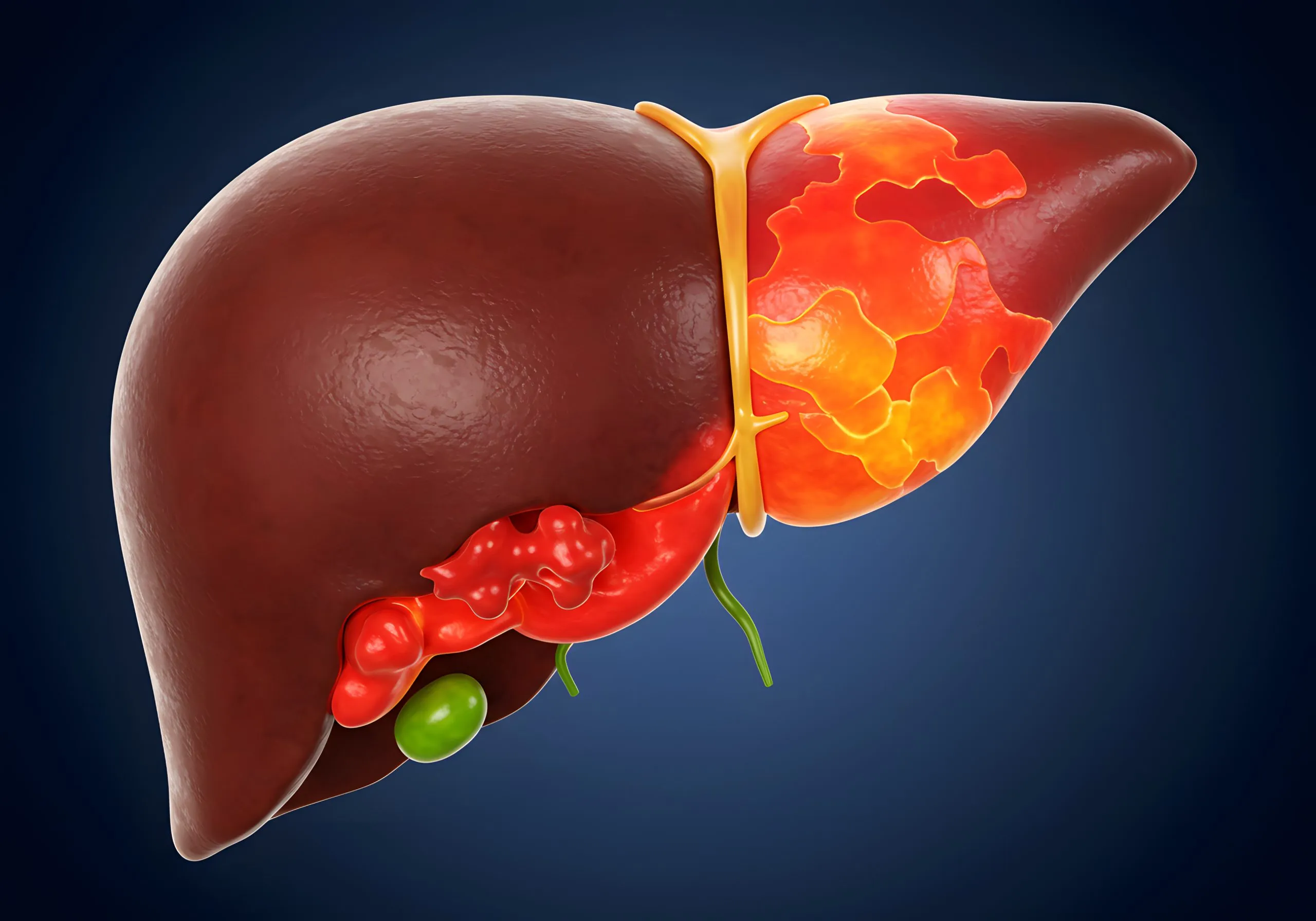
- Liver biopsy: Liver biopsy is not a routine investigation and is only done in the most extreme cases of ambiguity of the condition. If your doctor is unsure regarding their diagnosis after all the lab tests, they may suggest a liver biopsy. It is a safe procedure that involves the sampling of a small piece of the liver using a specialized needle. Afterwards, the sample is examined under the microscope.
In addition to lab tests, some imaging studies may be needed including:
- Liver ultrasound: Liver ultrasound can exclude other causes of jaundice including stones and cirrhosis (advanced liver disease).
- CT of the abdomen: It is usually not needed unless the patient has features suggestive of obstructive jaundice, which usually results from tumors of the biliary tree or pancreas.