Skip to content
Conclusion
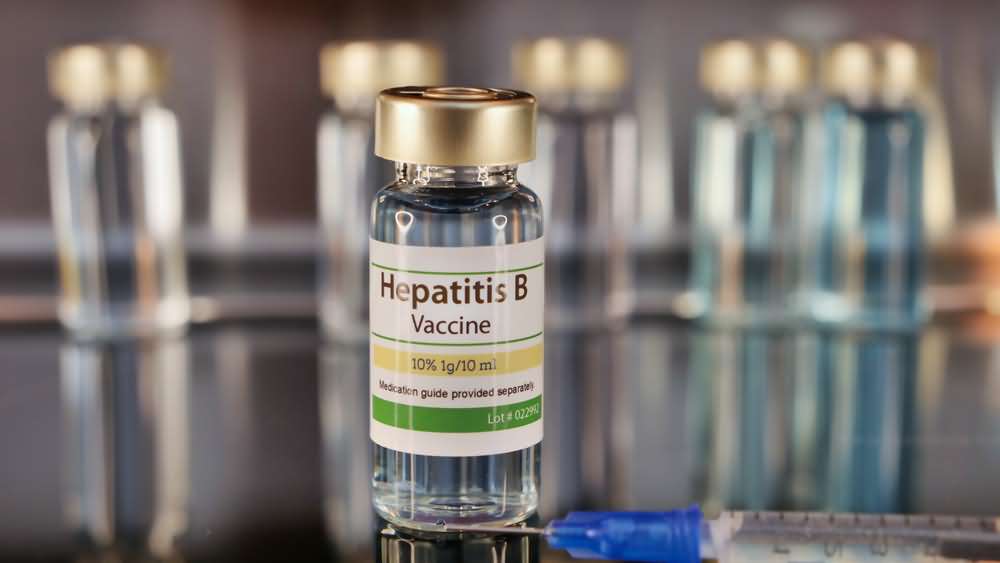
The hepatitis B vaccine uses hepatitis B virus antigens injected into the body to create an immunization against the actual virus. It is not a live strain of the virus and does not cause an infection. It can be administered in a 3-dose regime in infants or newborn babies or a 2-dose regime in adults.
It is not recommended in pregnant patients but can be administered under the supervision of their healthcare provider. It is especially recommended in immunocompromised individuals, diabetic patients, chronic liver disease, and severe renal disease cases. Immunization is also important in patients with multiple sexual partners or a close relative, cohabitant, or sexual partner infected with the hepatitis B virus.
References
McAleer, W. J., Buynak, E. B., Maigetter, R. Z., Wampler, D. E., Miller, W. J., & Hilleman, M. R. (1984). Human hepatitis B vaccine from recombinant yeast. Nature, 307(5947), 178-180.
Poland, G. A., & Jacobson, R. M. (2004). Prevention of hepatitis B with the hepatitis B vaccine. New England Journal of Medicine, 351(27), 2832-2838.
Keating, G. M., & Noble, S. (2003). Recombinant hepatitis B vaccine (Engerix-B®). Drugs, 63(10), 1021-1051.