Skip to content

Bleeding and red dots in the skin
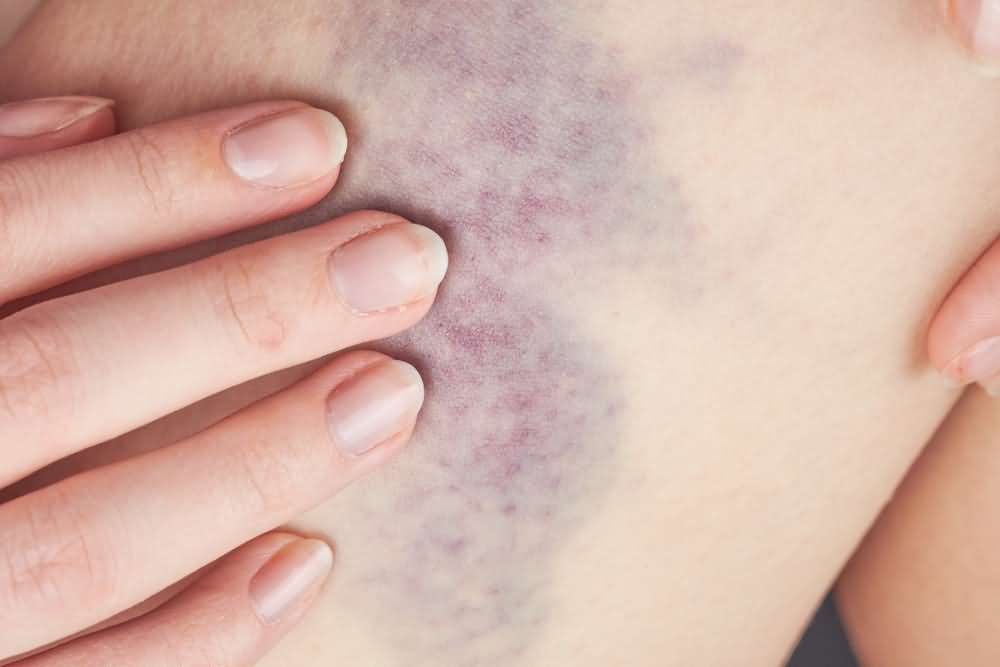
Other proteins synthesized by the liver have a significant role in the blood clotting function. After the liver has been severely affected by the hepatitis C virus, the synthesis of clotting factors become compromised, too. Their levels in the blood start to drop, and the coagulation time becomes larger. In other words, it takes longer to create blood clots, and the patient becomes more susceptible to bleeding.
There are different types of bleeding in hepatitis C, and the most common is known as petechiae. These are simply red dots in the skin due to hemorrhagic episodes under the epidermis. Other patients also develop larger hemorrhages and bruises in the skin, and those with a more severe condition can suffer from gastrointestinal bleeding, known as melena or hematemesis. The former is blood in the feces, and the latter is the symptom of throwing up blood.